Home Cooling Options: AC, Mini-Splits & More

George Petrentzev • March 17, 2026
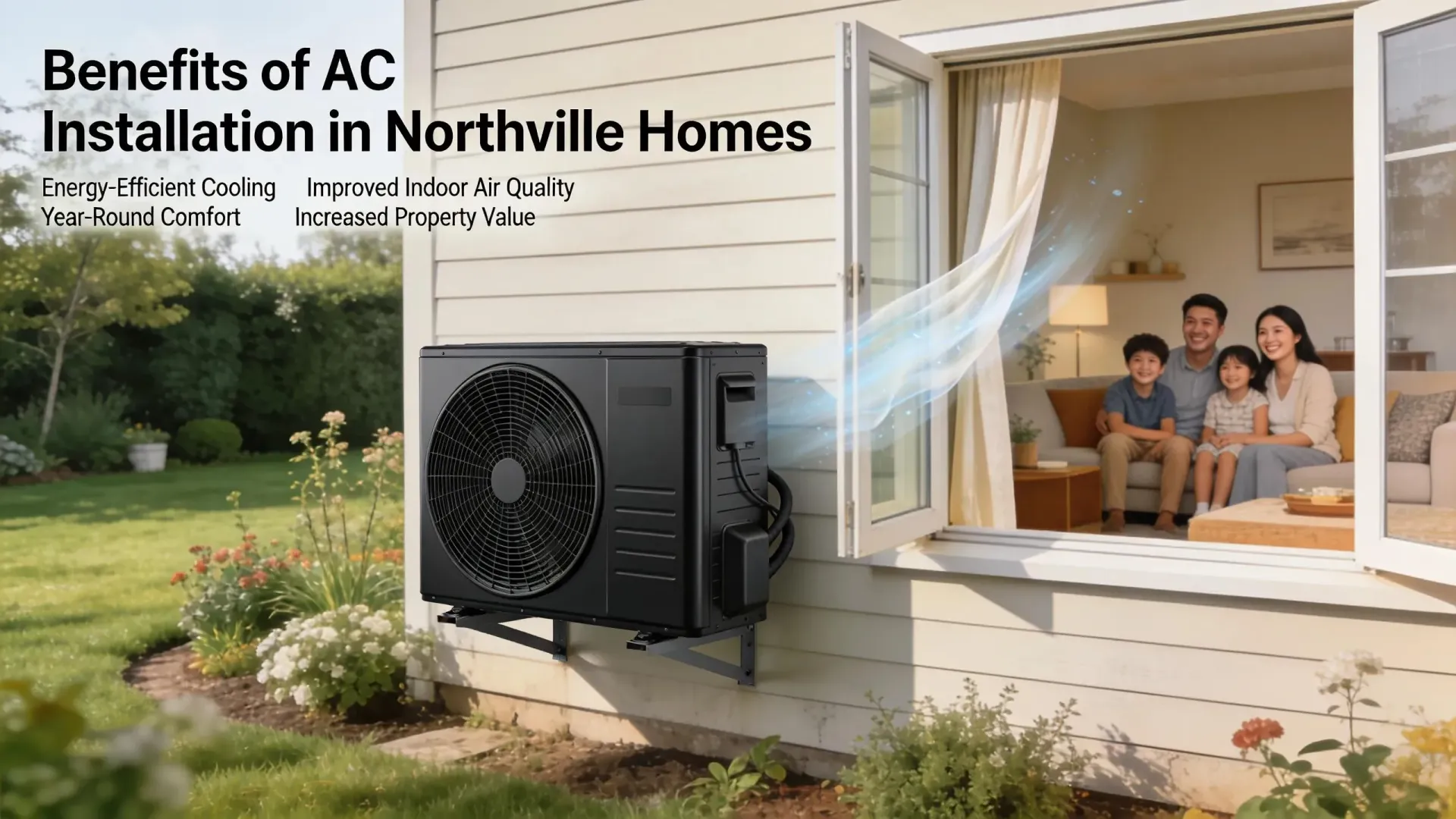
Modern air conditioning unit and ductless mini-split in a bright living room, illustrating home cooling options

Rising outdoor temperatures have increased residential demand for effective cooling. This article compares central air, ductless mini-splits, and heat pumps with an emphasis on energy efficiency, performance, and installation factors so homeowners can match equipment to load, site constraints, and long-term goals.


Comprehensive Home Cooling Options: Central AC, Mini-Splits, and Energy-Efficient Solutions


Residential cooling choices include central air systems, ductless mini-splits, and high-efficiency heat pumps. Each option has distinct performance characteristics, installation requirements, and cost considerations that should be evaluated for a specific home.


Central systems condition whole houses via ducts. Mini-splits provide zone-level control without ducts, and heat pumps combine heating and cooling functions to improve seasonal performance in suitable climates.


What Are the Primary Types of Home Cooling Systems Available?


The main categories differ by delivery method, component layout, and control capability:


  1. Central Air Conditioning Systems : These systems use a network of ducts to distribute cooled air throughout the home, providing uniform temperature control.
  2. Ductless Mini-Split Systems : These systems consist of an outdoor condenser unit and one or more indoor air handlers, allowing for targeted cooling in specific areas without ductwork.
  3. Heat Pumps : These versatile systems can provide both heating and cooling, making them an efficient choice for year-round climate control.


Understanding these categories helps align system selection with a home's layout, occupancy patterns, and efficiency goals.


How Does Central Air Conditioning Function in Residential Settings?


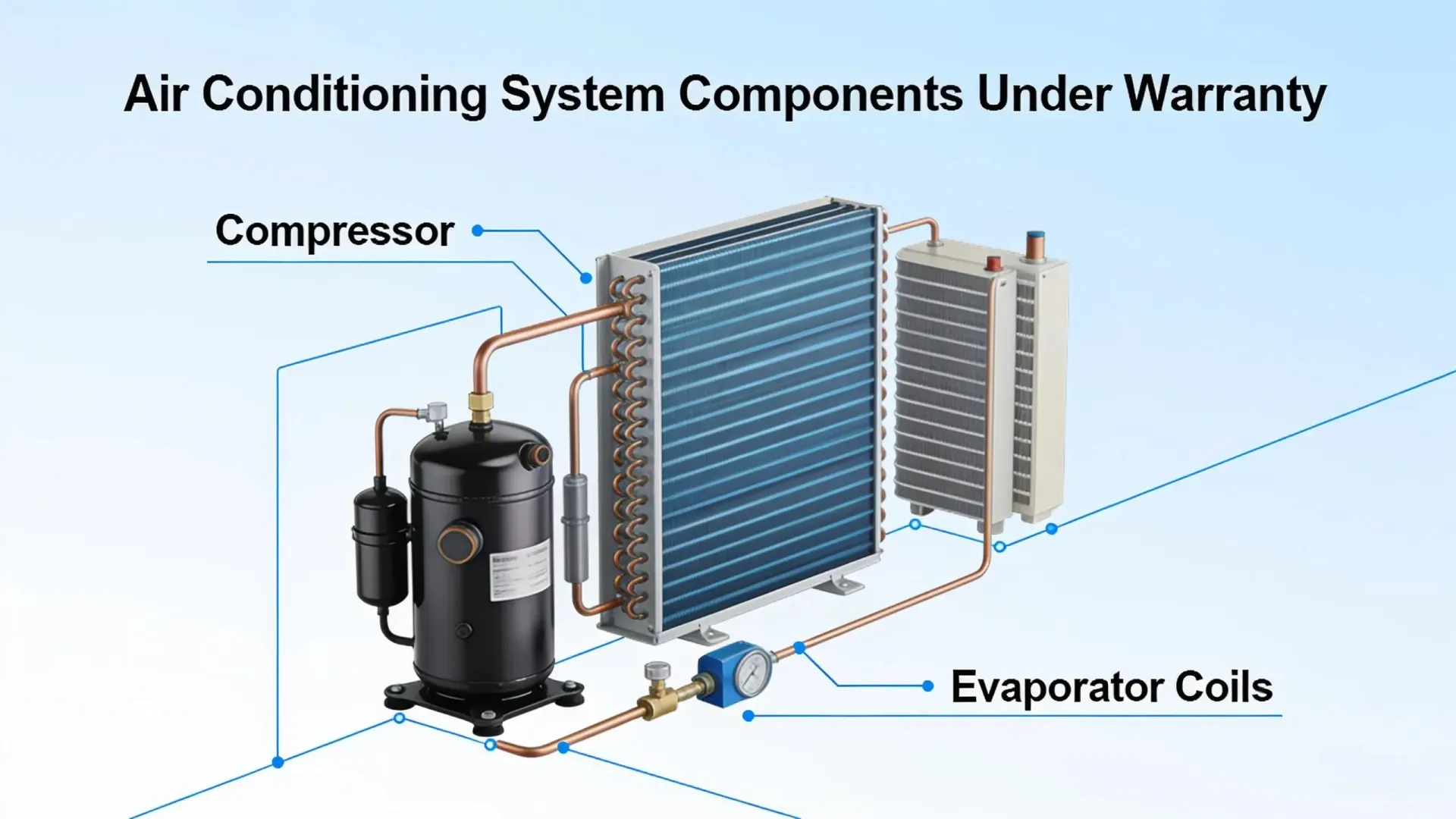
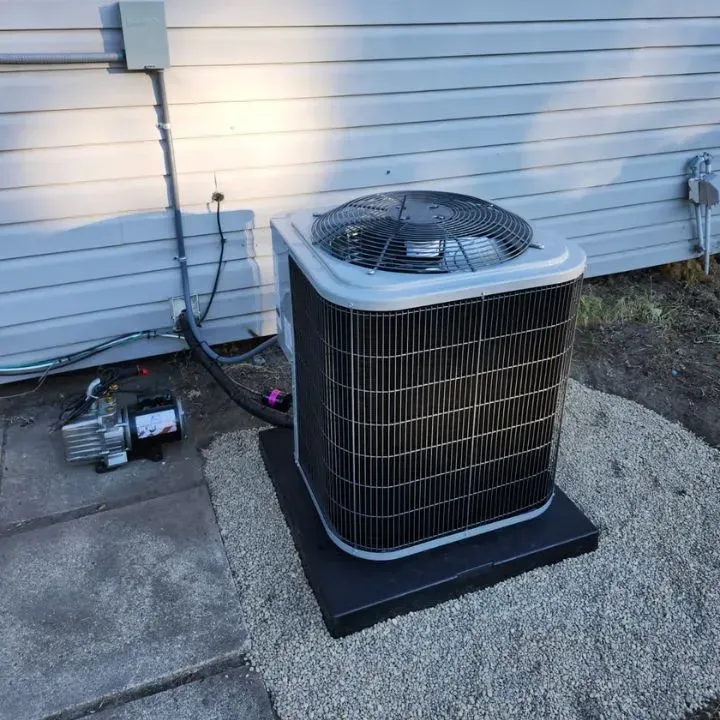
Central air conditions indoor air by moving refrigerant between an outdoor condenser and an indoor evaporator coil while circulating air through ductwork. The ducts deliver tempered air to living spaces and return air to be reconditioned.


When cooling is required, the compressor circulates refrigerant through the system, extracting heat from indoor air and rejecting it outdoors. Proper installation and routine maintenance preserve design efficiency and reliability.


What Defines Ductless Mini-Split Systems and Their Applications?

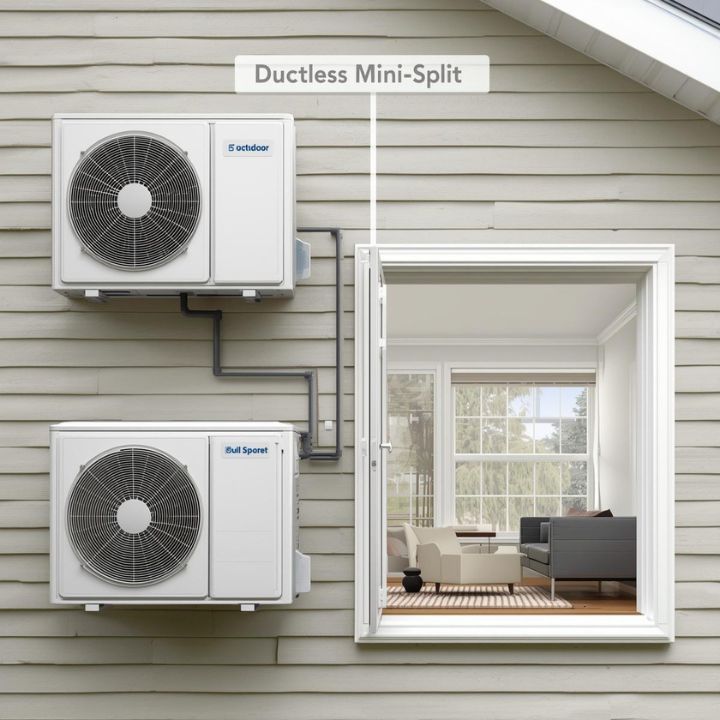
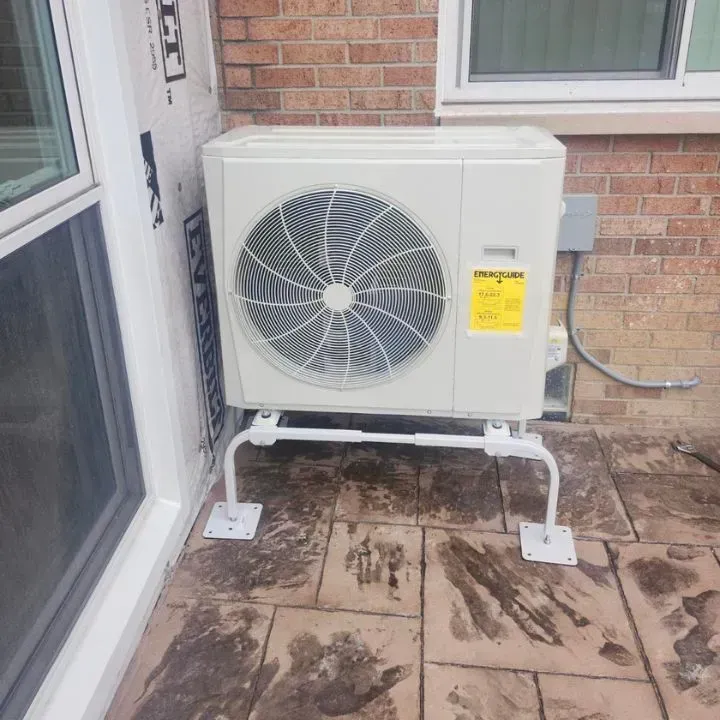
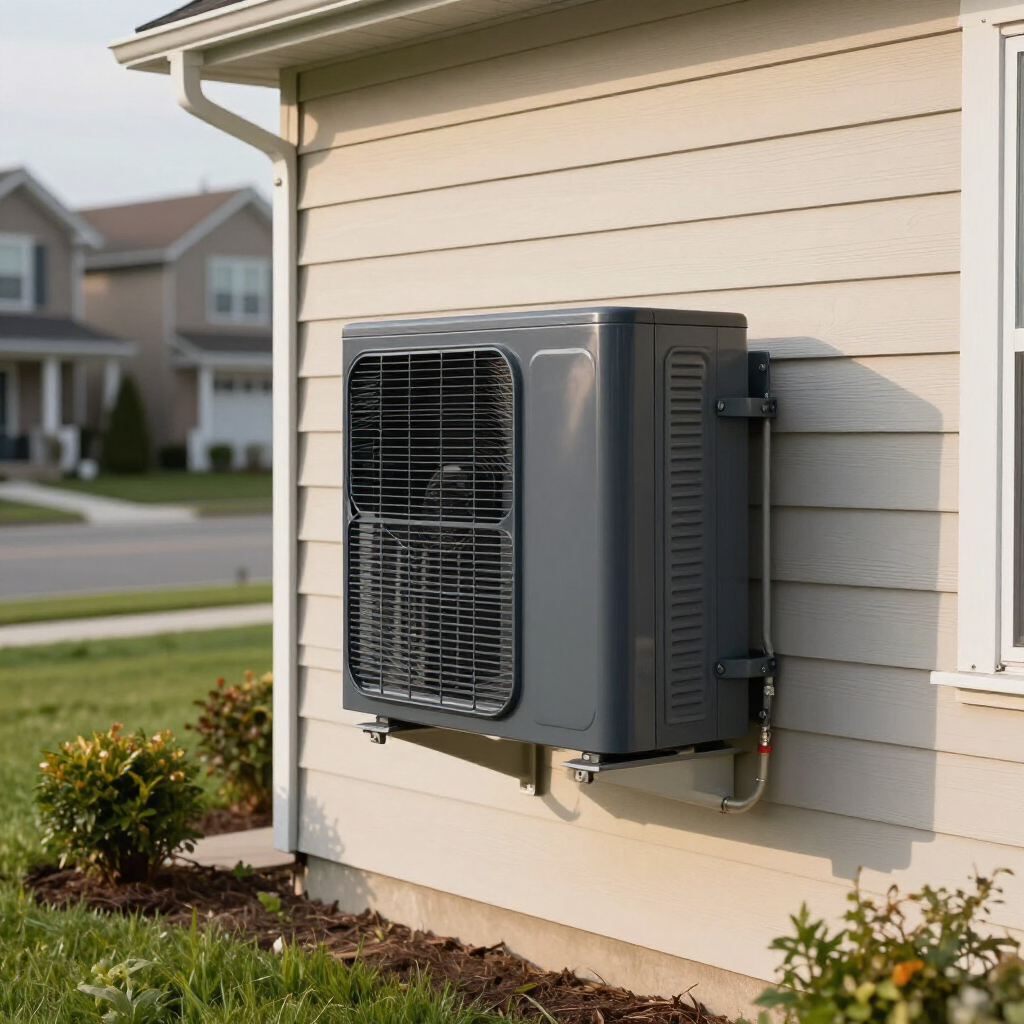
Ductless mini-split system installed on a house, highlighting its outdoor and indoor components

Ductless mini-splits use an outdoor compressor and one or more indoor handlers to provide zone-specific conditioning. They avoid duct losses and allow independent temperature control for each zone.


Zonal control reduces the conditioned volume when occupancy is localized, lowering energy use. Many models use inverter-driven compressors for better part-load efficiency and tighter temperature control.


Field evaluations show measurable energy savings for mini-splits in retrofit applications where ductwork would be impractical or inefficient.


Quantifying Energy Savings with Ductless Mini-Splits in Homes

This paper aims to quantify the energy saving potential of ductless heat pump systems when they are installed in existing homes that have existing zonal HVAC equipment.

Maximizing The Use Of Ductless Mini-split Systems In Residential Buildings With Existing HVAC Equipment In EnergyPlus., Z Pang, 2019


How Do Energy Efficiency Ratings Impact Home Cooling Choices?

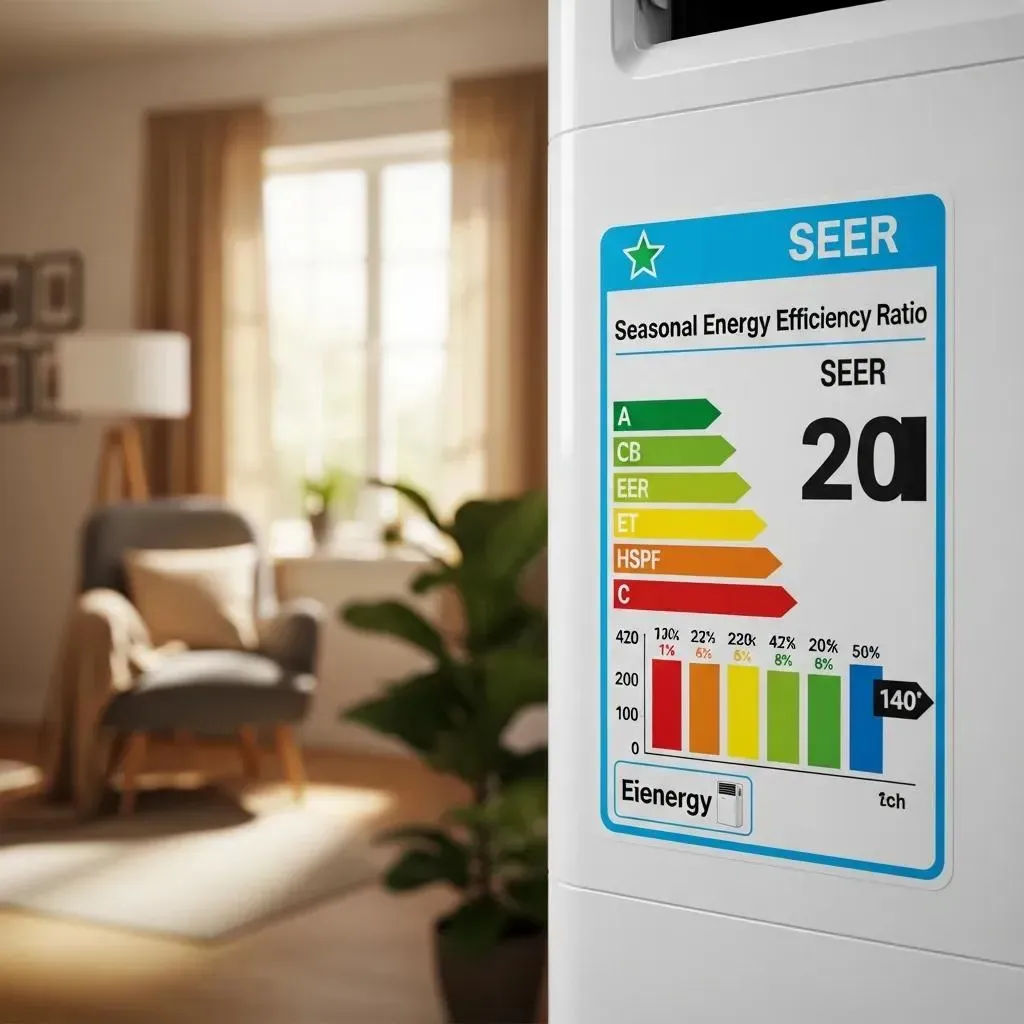
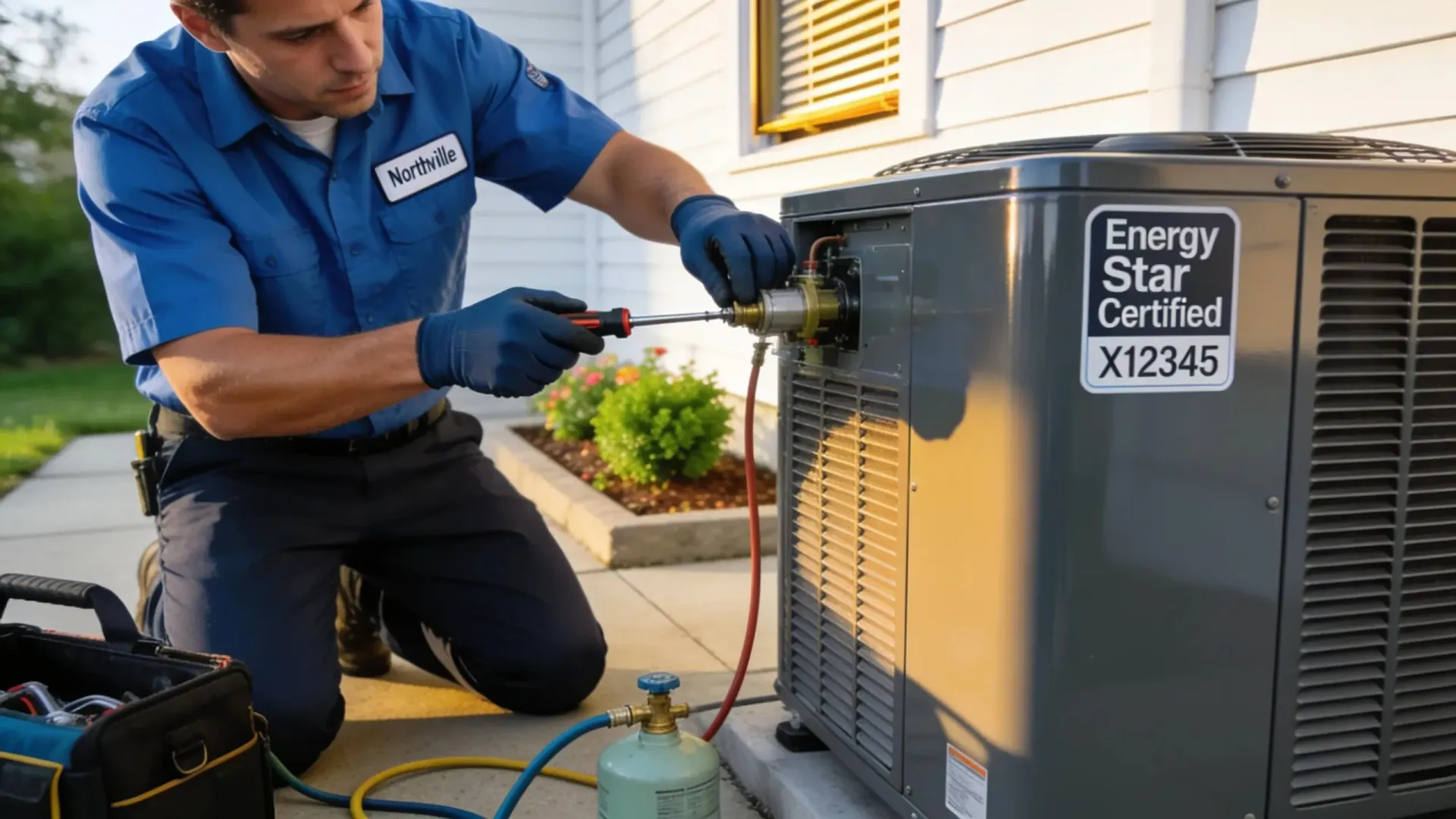
Close-up of an energy efficiency rating label on an air conditioning unit, emphasizing SEER ratings

Efficiency ratings are a primary selection criterion because they indicate how much energy a system uses to deliver cooling. Higher-rated equipment typically reduces operating costs for a given thermal output.


The Seasonal Energy Efficiency Ratio (SEER) compares seasonal cooling output to electrical input. Higher SEER values generally mean better seasonal efficiency, lower utility costs, and reduced lifecycle emissions.

Cooling System Type SEER Rating Energy Efficiency
Central AC 14-26 High
Ductless Mini-Split 15-30 Very High
Heat Pump 15-20 High

The table summarizes typical SEER ranges for common residential cooling solutions and highlights relative efficiency differences to consider during selection.


What Is the Significance of SEER Ratings in Cooling System Performance?


SEER measures seasonal cooling provided per unit of electrical energy and is a standard indicator of system efficiency across models. Choosing higher-SEER equipment typically lowers lifetime energy use and operating cost when systems are properly sized and installed.


Which Cooling Solutions Offer the Best Energy Efficiency for Metro Detroit Homes?


Metro Detroit homes can improve energy performance with high-efficiency central systems, well-specified heat pumps, or ductless mini-splits, depending on the building envelope and occupancy patterns.


Equipment choice should consider home size, insulation, and zoning needs. Consultation with a professional HVAC service will help specify equipment that optimizes seasonal efficiency.


What Are the Installation and Maintenance Considerations for Different Cooling Systems?


Installation quality and regular maintenance strongly affect performance. Correct sizing is critical: oversizing or undersizing raises energy use and reduces comfort.


For central systems, duct design and sealing are crucial to avoid distribution losses. Routine maintenance—filter changes, coil cleaning, and inspections—helps preserve efficiency and extend service life.


What Are the Typical Installation Procedures for Central AC and Mini-Split Systems?


Installation differs by distribution architecture and components. Central systems require load calculations, duct layout and fabrication, and placement of the outdoor condenser and indoor evaporator; project duration depends on complexity and existing infrastructure.


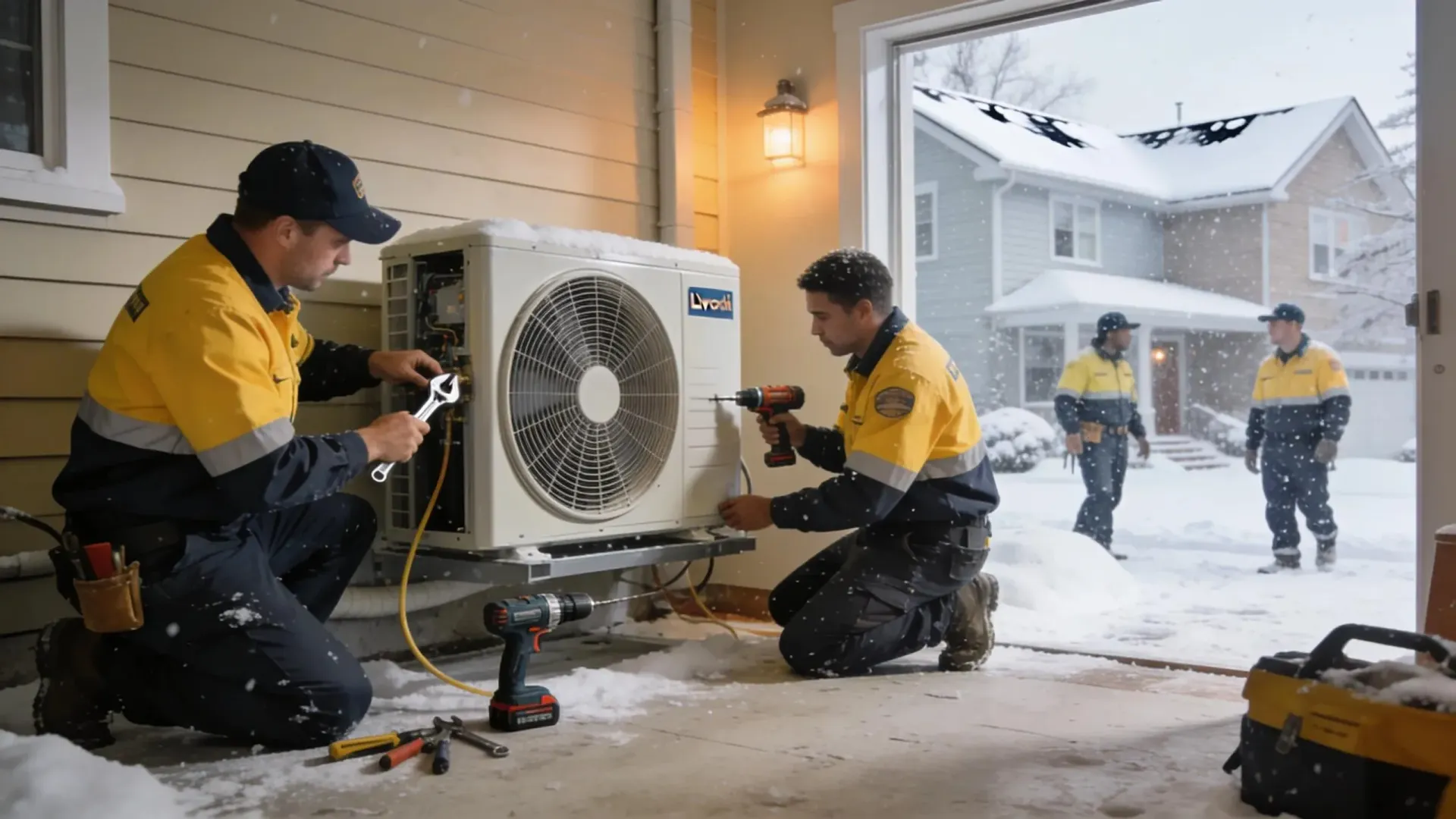
Mini-split installation typically involves mounting indoor units, routing refrigerant and condensate lines to the outdoor condenser, and commissioning for proper refrigerant charge and airflow; it usually demands fewer structural modifications.


How Should Homeowners Maintain Their Cooling Systems for Optimal Performance?


Regular maintenance preserves efficiency and reduces premature failure risk. Key practices include:


  1. Regular Filter Replacements : Change or clean filters every 1-3 months to maintain airflow and efficiency.
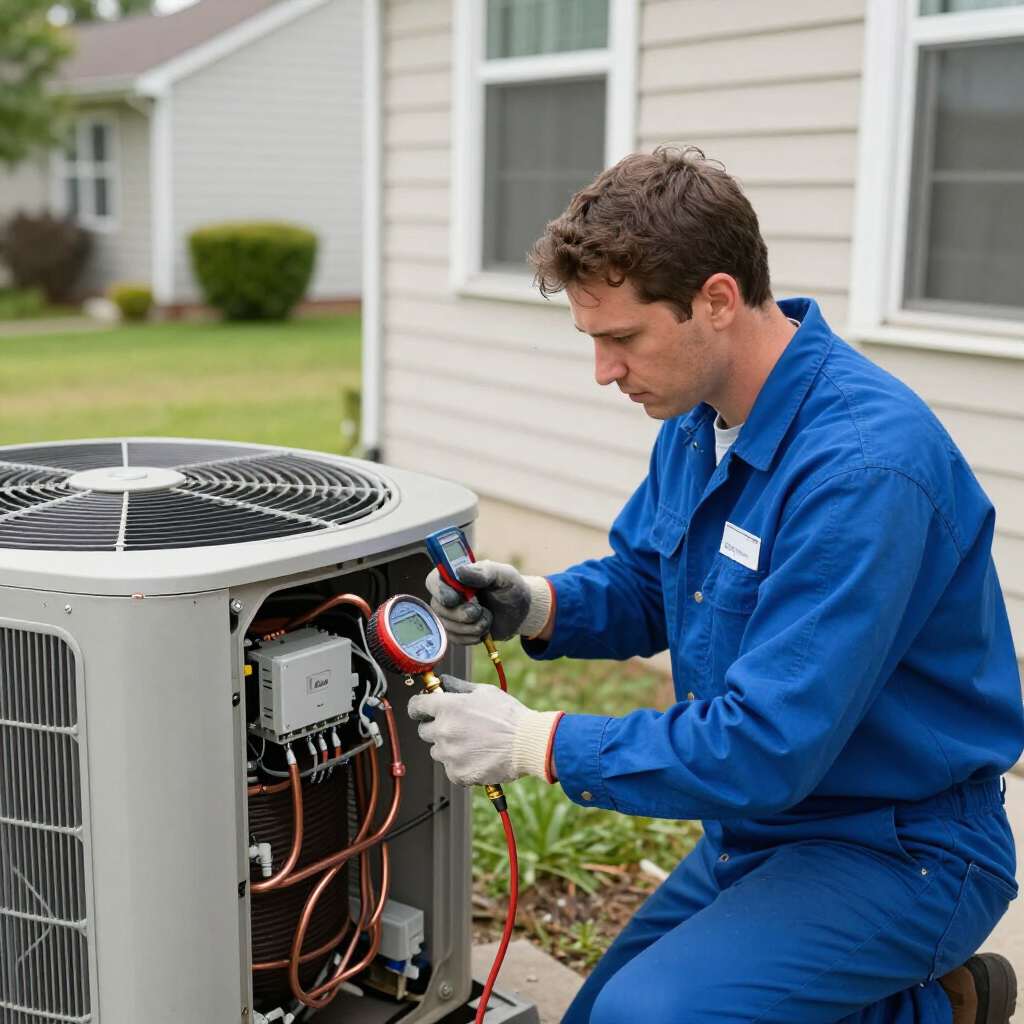
  2. Annual Professional Inspections : Schedule yearly maintenance checks with a qualified HVAC technician to identify and address potential issues.
  3. Ductwork Inspections : Periodically inspect ductwork for leaks or blockages that can hinder system performance.


Adhering to these procedures supports sustained efficiency and can extend equipment lifespan.


How Can Homeowners Select the Most Suitable Cooling Option for Their Needs?


Selection requires evaluating conditioned area, envelope performance, and occupancy-driven loads. Prioritize systems that minimize long-term operating cost and fit existing infrastructure.


  1. Home Size and Layout : Larger homes may benefit from central air conditioning, while smaller spaces might be better suited for mini-splits.
  2. Energy Efficiency : Prioritize systems with high SEER ratings to ensure long-term savings on energy bills.
  3. Budget Considerations : Factor in both initial installation costs and ongoing operating expenses when selecting a cooling system.


A focused evaluation of these factors helps select a cooling solution that meets performance objectives and budget constraints.


What Factors Influence the Choice Between Central AC and Mini-Split Systems?


Key decision factors include existing ductwork, targeted cooling needs, and the tradeoff between installation cost and operating efficiency.


  1. Ductwork Availability : Homes with existing ductwork may find central AC systems more cost-effective, while those without ductwork may prefer mini-splits.
  2. Cooling Needs : Homeowners with specific cooling needs in certain areas may benefit from the targeted approach of mini-splits.
  3. Installation Costs : Central AC systems typically have higher installation costs due to ductwork requirements, while mini-splits can be more affordable to install.


Considering these variables supports an informed choice between whole-house distribution and zonal conditioning strategies.


Are There Local Incentives or Rebates for Energy-Efficient Cooling Installations?


Metro Detroit homeowners may qualify for incentives or rebates that offset capital costs for high-efficiency cooling equipment. Utilities and government programs commonly offer financial incentives to encourage efficient upgrades.


Such incentives can reduce upfront costs; verify program availability and eligibility with local utilities and government resources.


For any plumbing needs, consult a professional.


Conclusion


Choosing an appropriate residential cooling system improves comfort and lowers energy use when based on accurate load assessment and efficiency criteria. Understanding central air, ductless mini-splits, and heat pump capabilities—along with SEER implications—supports evidence-based procurement. Contact qualified HVAC professionals to facilitate specification, installation, and commissioning for long-term performance and efficiency.

Recent Posts

HVAC technician installing a modern heating and cooling system in a residential home
By George Petrentzev March 18, 2026
Learn essential insights on HVAC installation expenses in Metro Detroit. Understand costs, factors influencing pricing, and budget effectively for your project.
Open manual for AC installation on a desk, showing diagrams of unit setup alongside various tools like wrenches and tape.
By George Petrentzev March 14, 2026
Looking for affordable AC installation services? This professional guide details costs, replacement options, and tips for seamless installation of new units.
A family relaxes by a pellet stove in a living room with snowy views outside; some play a game while others read and sit.
By George Petrentzev March 13, 2026
Meta Description: "Michigan homeowners gain expert insights on whether to repair or replace their furnace. Make informed decisions for a cozy home this winter.
Four grey outdoor air conditioning units sit on a gravel bed next to a building with beige siding and stone accents.
By George Petrentzev March 13, 2026
Professional AC installation options in Livonia, MI, offer homeowners comfort and efficiency. Learn key insights to make the best choice for your cooling needs.
HVAC technician working on a system in a residential home
By George Petrentzev March 12, 2026
Get reliable HVAC services with OnPoint HVAC. Our licensed and insured team provides top-rated solutions, ensuring comfort and satisfaction in your home.
A technician works on a furnace in a basement, with ductwork and a house cutaway view.
By George Petrentzev March 2, 2026
Livonia residents can enhance home comfort with this comprehensive furnace installation guide, ensuring efficiency and safety. Follow expert tips for success.
Glowing furnace with a thermostat, plant, and folded towel.
By George Petrentzev February 27, 2026
Keep your home comfortable with this essential furnace maintenance checklist. Homeowners can ensure safety and efficiency with routine checks and upkeep tips.
Local livonia HVAC company technician greeting a happy customer
By George Petrentzev February 23, 2026
OnPoint HVAC offers reliable cooling solutions for every need. Trust their expertise to keep your home comfortable and energy-efficient all year round.
HVAC warranty coverage icons: parts, compressor, labor costs, registration, and smart thermostats.
By George Petrentzev February 18, 2026
Will a home warranty cover HVAC replacement or installation? Learn what's typically covered and what Livonia homeowners should know.
Two Bryant air conditioning units on concrete pads next to a building.
By George Petrentzev February 11, 2026
Wondering how much it costs to install a new AC in Livonia, MI? Learn what affects central air installation pricing, what to expect, and how to plan your upgrade.