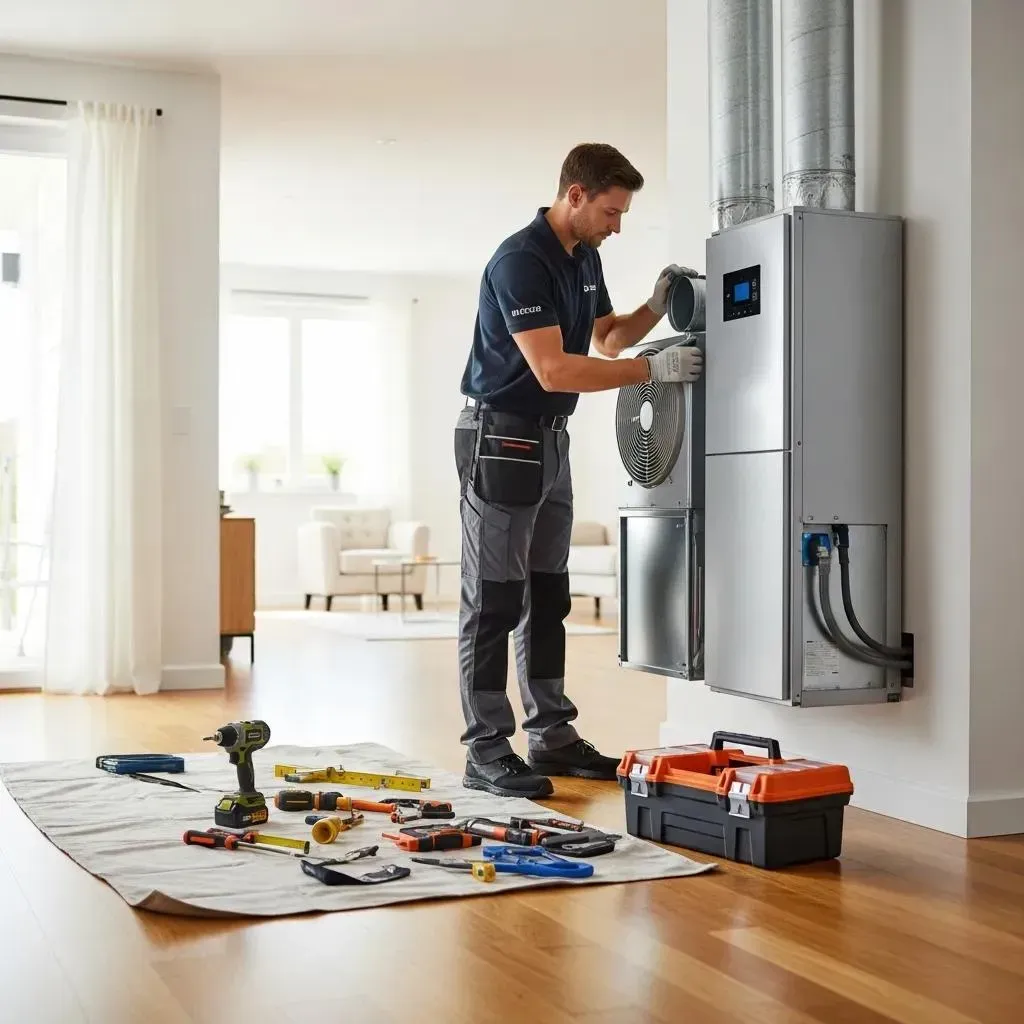
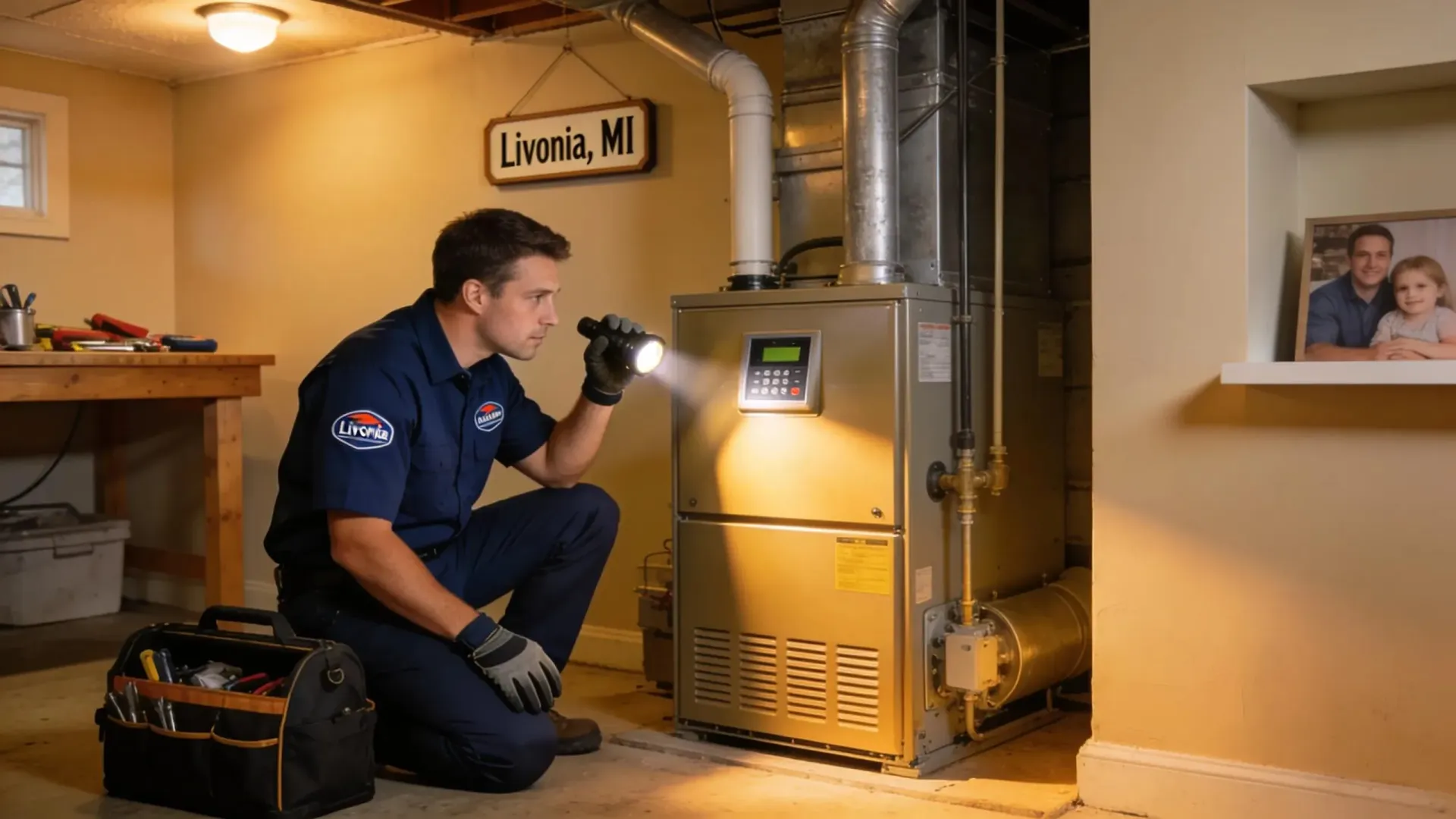
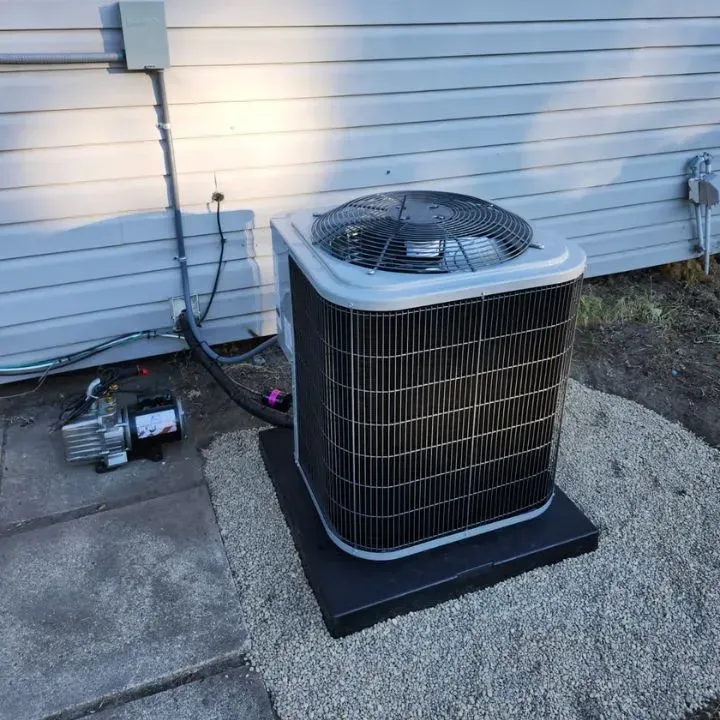
Furnace installation prices in Metro Detroit vary by furnace type, capacity, and the home’s existing infrastructure. Homeowners should expect to pay between $3,000 and $6,500 for a new furnace installation.
- Type of Furnace: Gas furnaces tend to cost more than electric models because of higher efficiency and greater installation complexity.
- System Size and Capacity: Larger homes require more powerful furnaces, which raises installation costs.
- Existing Infrastructure: Homes with existing ductwork generally face lower installation costs than those needing new duct systems.
What Is the Typical Air Conditioner Installation Cost in Detroit?
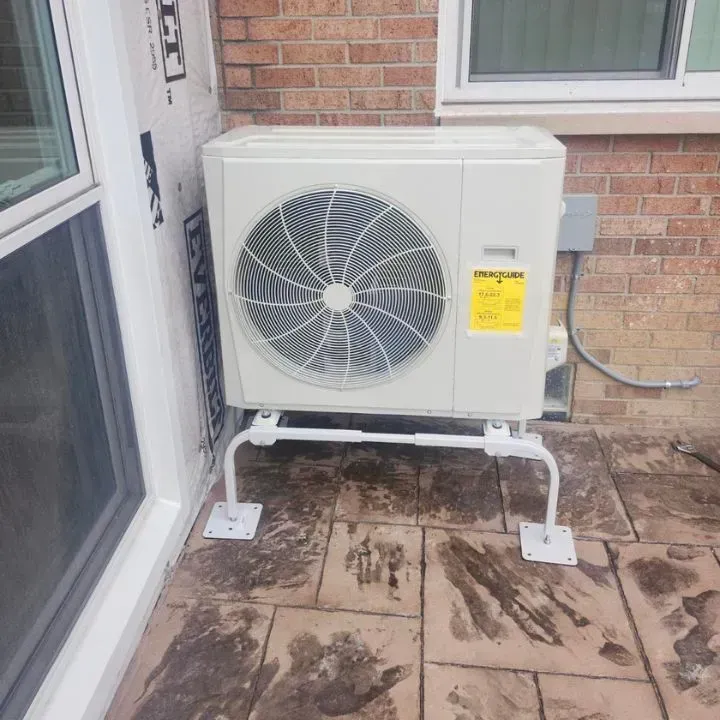
Typical air conditioner installation costs in Detroit range from $3,500 to $8,000, comparable to furnace installation. Price drivers include system type, unit capacity, and installation complexity.
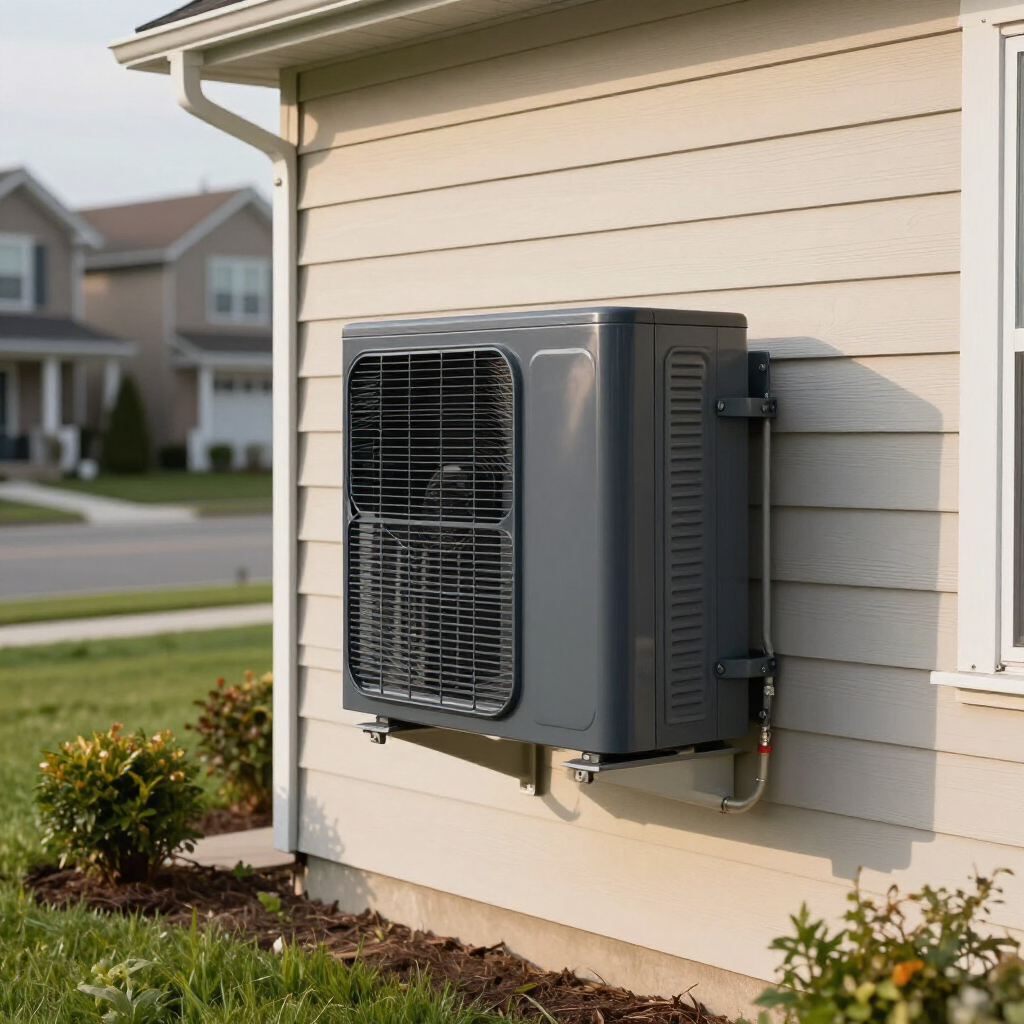
- Type of System: Central air conditioning systems are usually more expensive than window units or ductless mini-splits.
- Installation Complexity: Homes without ductwork may incur higher costs because of additional installation work.
Which Factors Influence HVAC Installation Pricing in Metro Detroit?
The principal factors affecting HVAC installation pricing in Metro Detroit include:
- Home Size: Larger homes require more powerful systems, increasing costs.
- Efficiency Rating: Higher-efficiency systems often have a higher upfront cost but can save money over time through reduced energy bills.
- Existing Ductwork: Homes with usable ductwork may save on installation compared to those needing new ducts.
How Do Equipment and Labor Costs Affect Total Installation Price?
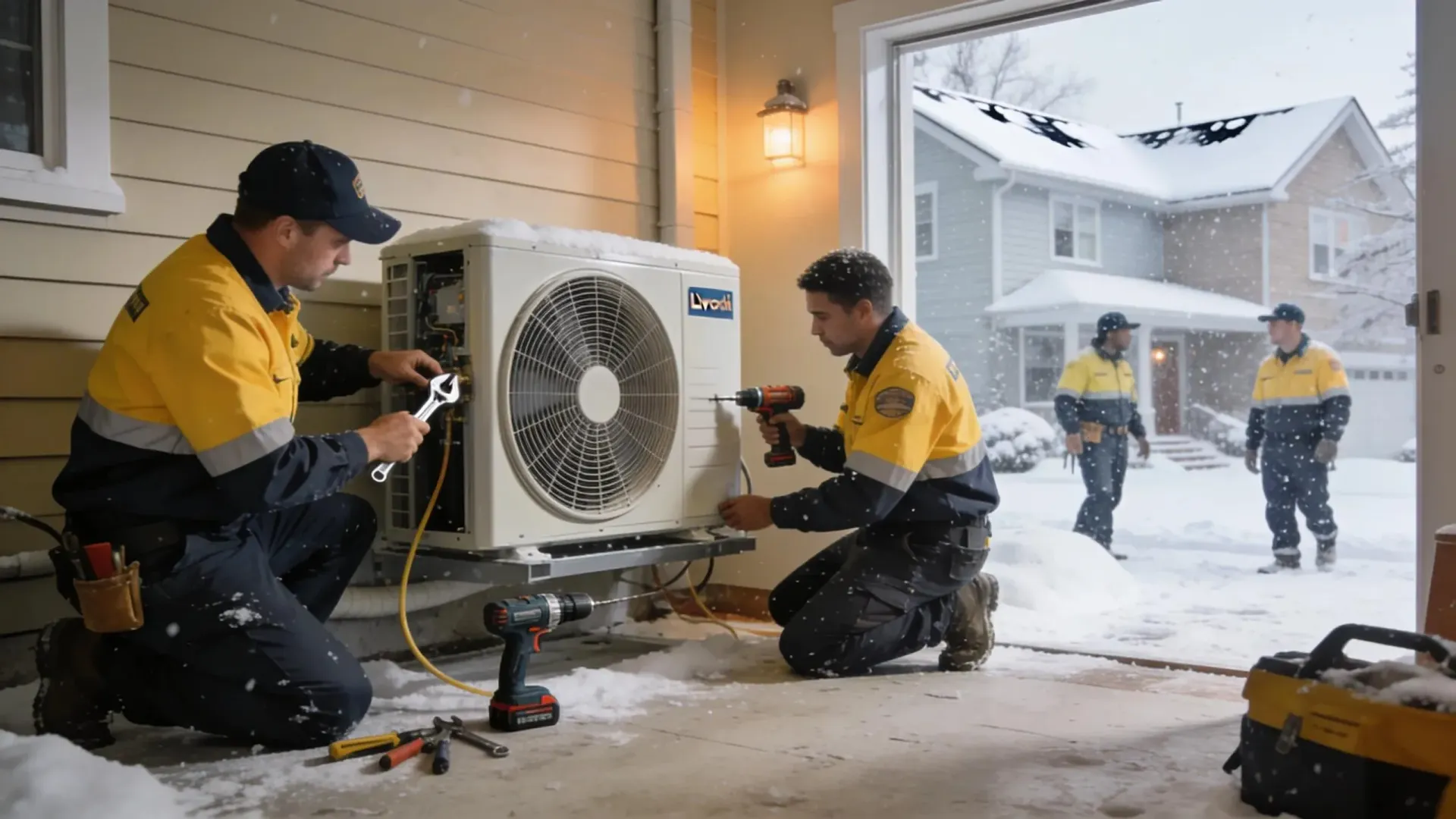
Equipment and labor are the primary components of total installation cost. Equipment expenses vary by system type and efficiency; labor depends on installation complexity and local contractor rates.
- Cost Variations Based on Home Size: Larger homes can require more equipment and labor, increasing overall costs.
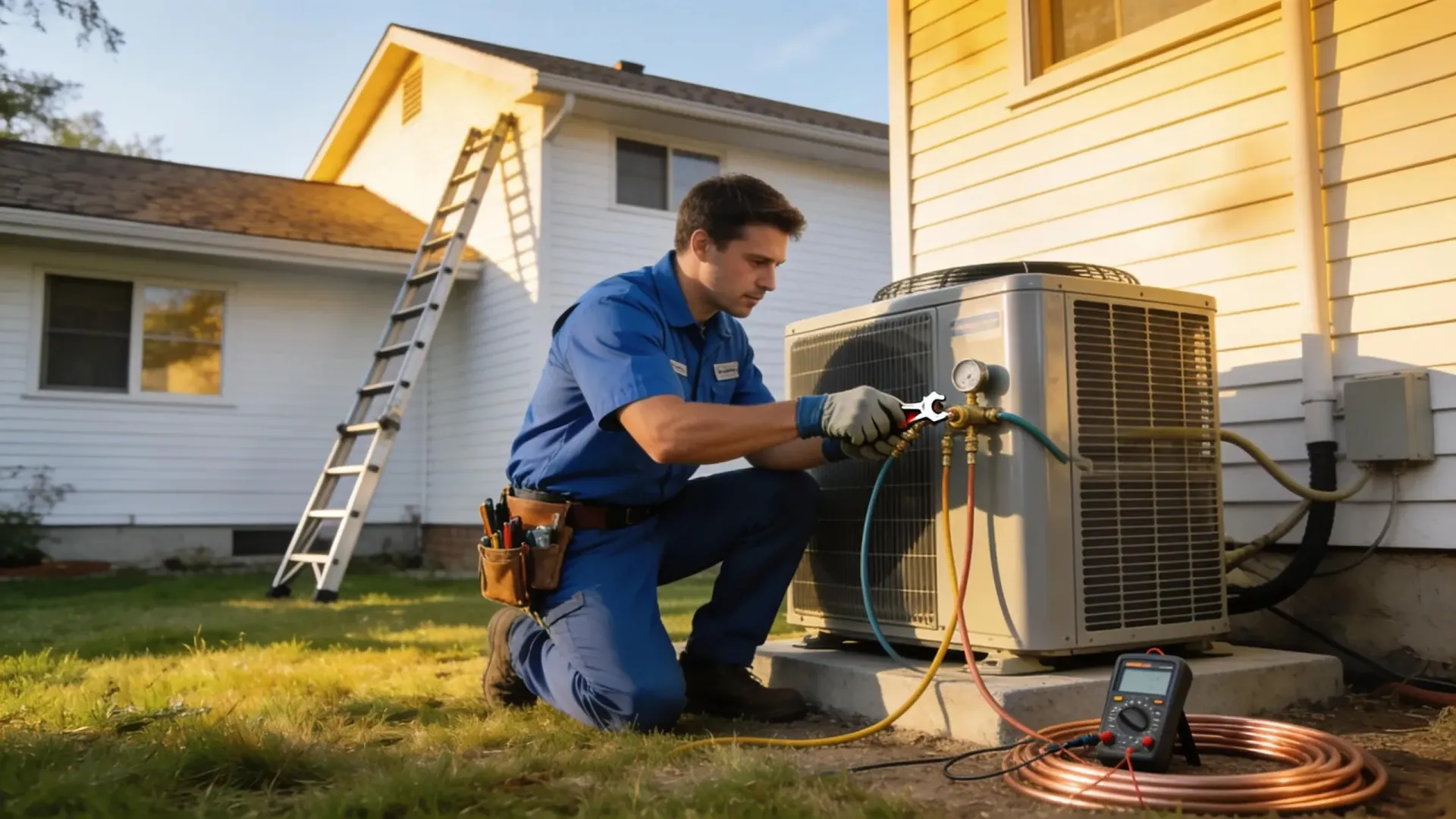
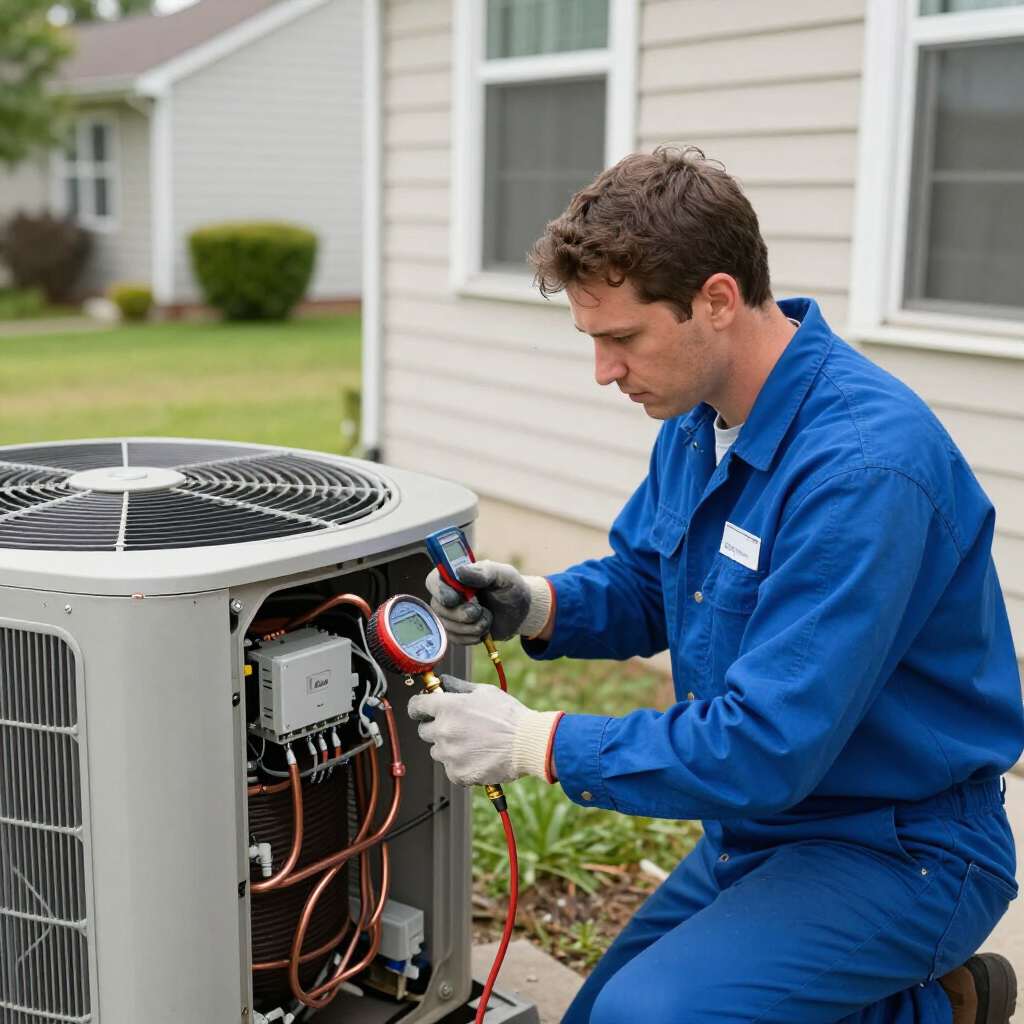
- Importance of Professional Installation: Hiring experienced professionals ensures correct installation, which is crucial for efficiency and system longevity.
What Role Do Local Permits and Regulations Play in Installation Costs?
Local permits and regulations affect HVAC installation costs in Metro Detroit. Permit fees add to project expenses, and compliance with building codes is required to meet safety and performance standards.
- Compliance Costs: Obtaining necessary permits can incur additional fees.
- Permit Requirements: Local regulations may mandate specific installation practices that affect costs.
What Financing and Warranty Options Are Available for HVAC Installation?
Financing options for HVAC installation help mitigate upfront expenditures for homeowners. Many HVAC companies, including
OnPoint HVAC, offer plans that allow payment over time.
- Financing Options Available: Homeowners can choose from various financing plans, including low-interest loans and structured payment plans.
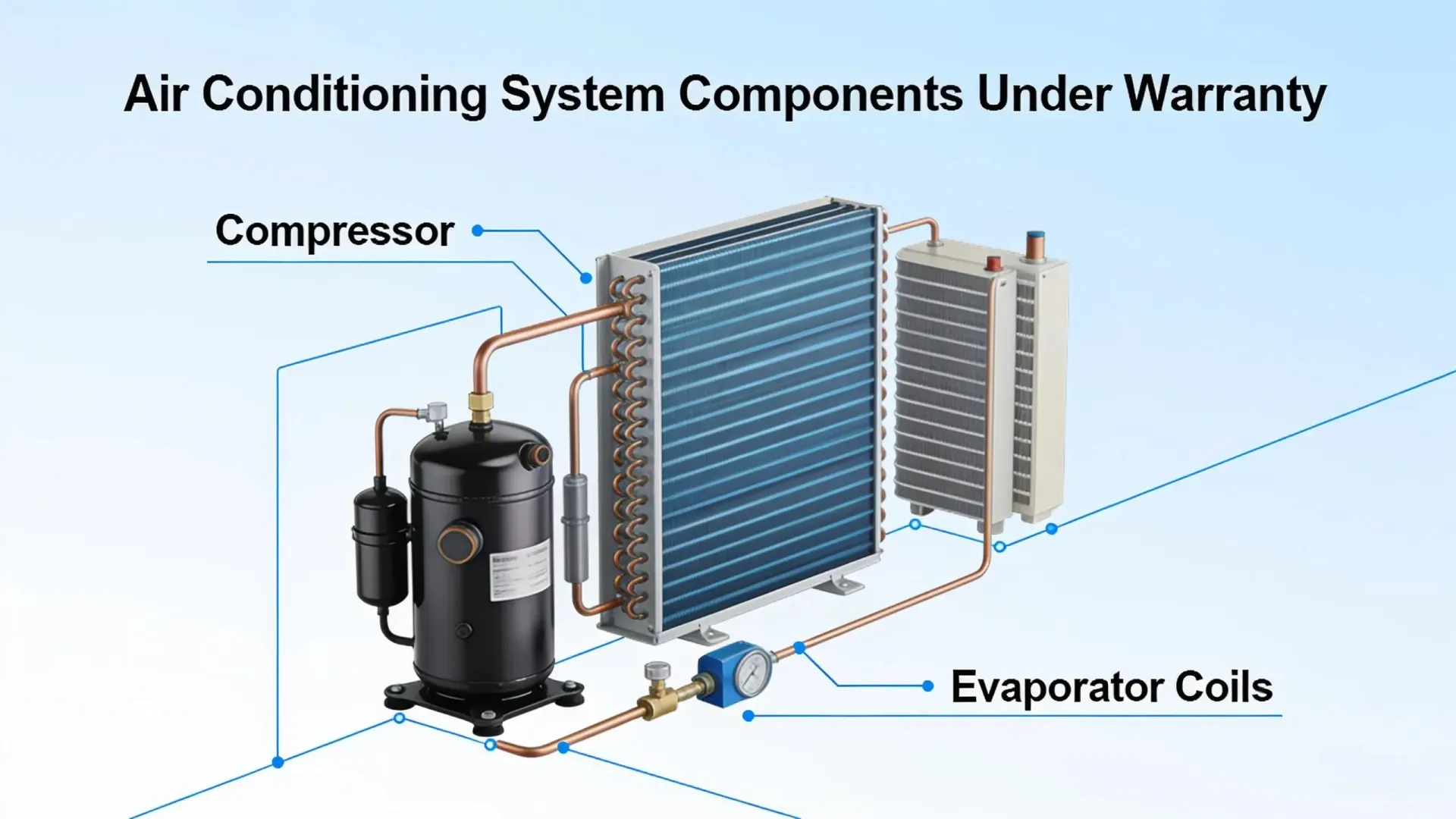
- Warranty Coverage Details: Most HVAC systems include warranties that cover parts and, in some cases, labor for a specified period.
How Can Financing Plans Reduce Upfront HVAC Replacement Costs in Livonia?
Financing plans can substantially lower upfront costs for HVAC replacement. Spreading payments enables homeowners to acquire higher-quality systems without a large initial cash outlay.
- Cost Reduction Strategies: Homeowners can select financing options that align with their budgets to make upgrades more affordable.
- Long-Term Savings: Investing in energy-efficient systems can reduce utility bills and help offset installation costs over time.
What Warranty Coverage Should Homeowners Expect for HVAC Services?
Warranty coverage for HVAC services varies, commonly ranging from one to ten years depending on the manufacturer and the installed system.
- Typical Warranty Coverage: Many systems come with limited warranties covering parts and sometimes labor for a set period.
- Exclusions and Limitations: Homeowners should review warranty terms to understand coverage limits and exclusions.
How Does Energy Efficiency Impact HVAC Replacement Costs and Long-Term Savings?
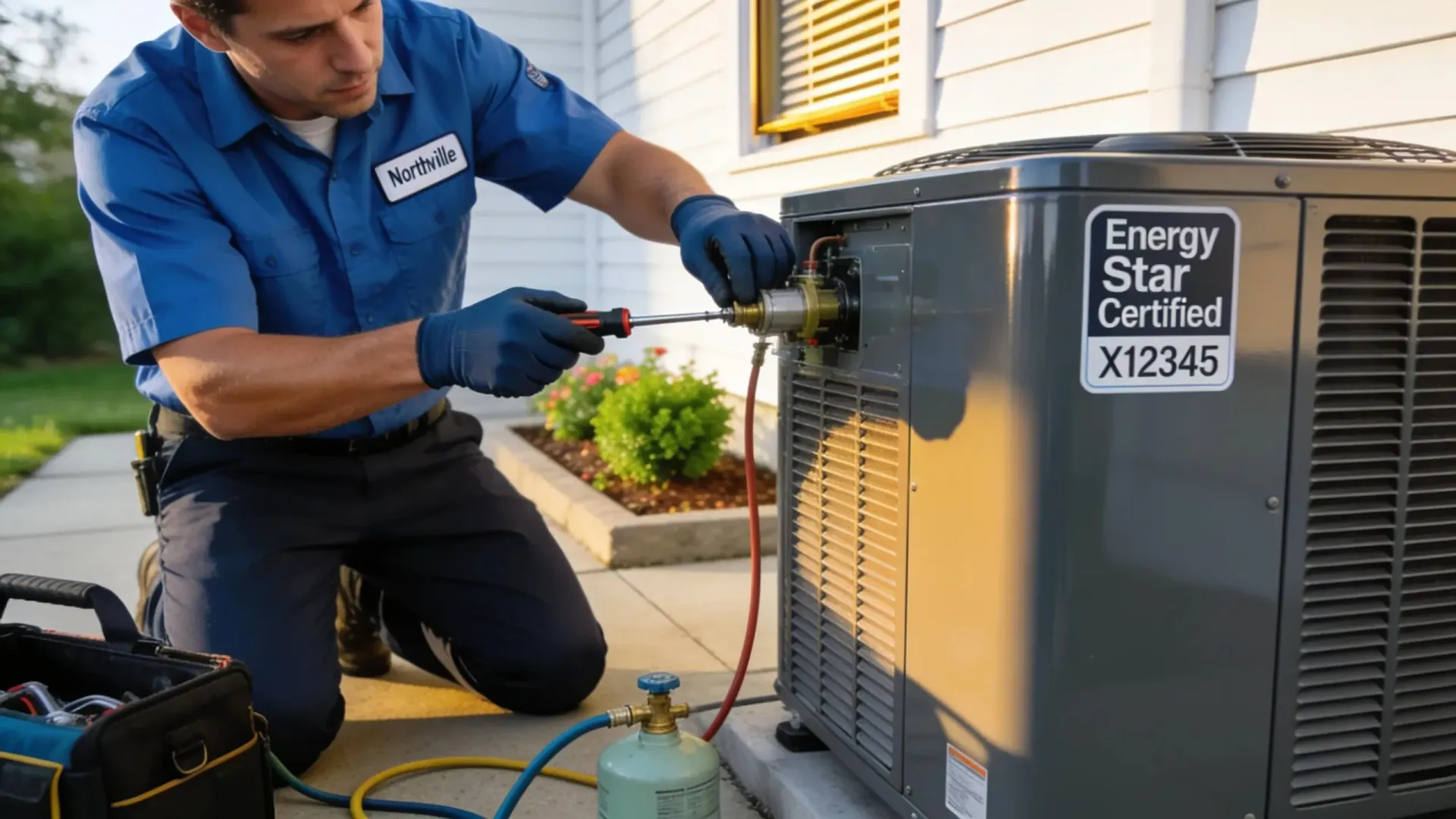
Energy efficiency affects replacement costs and long-term operating expenses. Higher-efficiency systems typically have a larger upfront cost but can deliver meaningful energy-cost savings over the system lifecycle.
To verify system efficiency, consider the
HVAC services offered by qualified providers.
- Energy Savings Potential: Energy-efficient systems can significantly reduce utility costs.
- Long-Term Cost Benefits: Investing in efficient systems often lowers overall lifetime costs, making them a prudent choice for many homeowners.
What Are the Benefits of Energy Efficient HVAC Systems in Metro Detroit?