Heat Pump Installation in Metro Detroit — OnPoint HVAC
Professional Heat Pump Installation Metro Detroit
Heat pump technology has advanced dramatically over the past decade, and for Metro Detroit homeowners, the question is no longer whether heat pumps work in Michigan — it is whether the right heat pump is selected, properly sized, and correctly installed for your specific home. At OnPoint HVAC, licensed mechanical engineer George Petrentzev leads every heat pump installation project with the same engineering rigor he applies to every system we put in: a Manual J load calculation first, equipment selection second, and installation to manufacturer specifications throughout.
We are a family-owned, engineer-led HVAC contractor based in Livonia, Michigan. We have installed heat pump systems across Metro Detroit in homes ranging from 1950s ranch houses with original ductwork to newly constructed, high-performance builds — and the approach is the same every time. We size the system for your home, not for the next size up from what we have on the truck.
How Heat Pumps Work
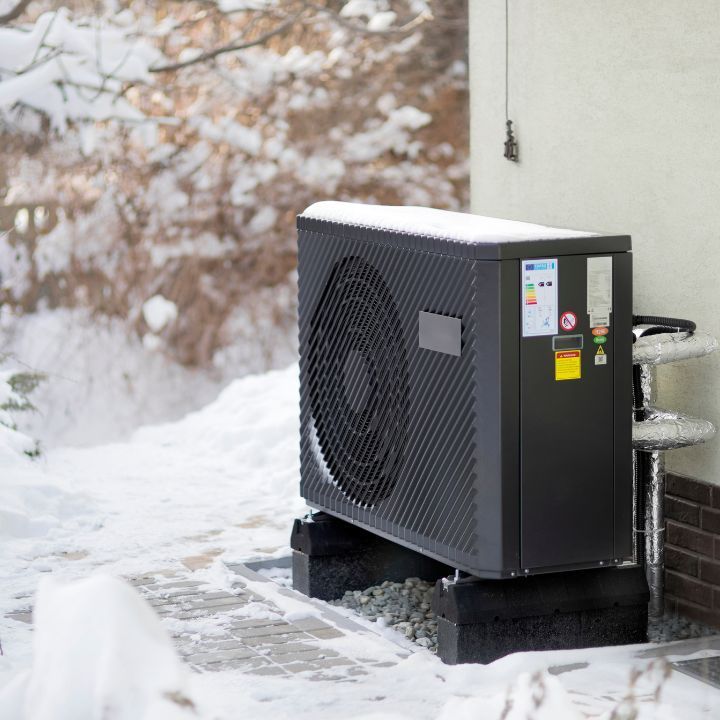
A heat pump moves heat rather than generating it. In heating mode, it extracts heat energy from outdoor air — even in cold temperatures — and transfers it indoors. In cooling mode, it reverses the process, moving heat from inside your home to the outdoors. This is the same refrigeration cycle your central air conditioner uses; a heat pump adds a reversing valve that allows it to run in both directions.
Because heat pumps move heat rather than create it, they can deliver two to four times more energy as heat than they consume as electricity under favorable conditions. This efficiency advantage, measured as the Coefficient of Performance (COP), is what drives the growing interest in heat pump technology — and it is also why equipment selection and sizing matter so much. A heat pump that is undersized for your home's heat loss, or one rated for moderate climates installed in Michigan without backup heat, will fail to deliver on its efficiency promise.
Cold Climate Heat Pumps for Michigan Winters
Standard heat pumps lose efficiency rapidly as outdoor temperatures drop below 35°F, which historically made them a poor fit for Metro Detroit winters. Cold climate heat pumps (ccASHP) solve this problem. Modern cold climate models from leading manufacturers maintain strong heating output at outdoor temperatures as low as -13°F to -22°F — well below anything a typical Michigan winter will deliver.
For Metro Detroit homes, OnPoint HVAC specifies cold climate-rated equipment as the baseline for any all-electric heat pump installation. A standard heat pump is not a cost-saving alternative in this climate — it is an undersized system that will run its electric resistance backup continuously during Michigan's coldest months, eliminating the efficiency advantage entirely.
Heat Pump Installation Options
Every Metro Detroit home is different, and heat pump installations are not one-size-fits-all. OnPoint HVAC installs three primary types of heat pump systems:
Cold Climate Air-Source Heat Pump (Full Replacement) For homes replacing an aging furnace and air conditioner, a cold climate air-source heat pump with a matching air handler handles both heating and cooling from a single system. This option works best in well-insulated homes with existing, properly sized ductwork. We pair every installation with a ductwork assessment to confirm the existing duct system can support the new equipment's airflow requirements.
Dual-Fuel Heat Pump System A dual-fuel system pairs a cold climate heat pump with a gas furnace. The heat pump handles heating efficiently during mild to moderately cold weather — which represents the majority of Metro Detroit's heating season — while the gas furnace takes over during the coldest days. For homes with existing gas infrastructure, this is often the most cost-effective configuration, combining heat pump efficiency with gas heating capacity when it matters most. See our furnace installation page for more on the gas side of a dual-fuel setup.
Ductless Mini-Split Heat Pump For homes without existing ductwork, room additions, finished basements, or areas that existing systems do not reach adequately, ductless mini-split heat pumps deliver heating and cooling directly to individual spaces without ducts. Multi-zone systems can serve an entire home from a single outdoor unit. Learn more about our ductless mini-split services.
Our Installation Process
Step 1 — Manual J Load Calculation. Before any equipment is selected, George Petrentzev performs a room-by-room Manual J load calculation for your home. This calculation uses your home's square footage, insulation levels, window area and orientation, ceiling heights, infiltration rate, and local climate data to determine the precise heating and cooling load your system must meet. This is the only defensible way to size HVAC equipment — and it is what separates a properly engineered installation from a guess.
Step 2 — Equipment Selection. Based on the load calculation and your home's configuration, we recommend specific equipment — manufacturer, model, capacity, and efficiency tier — with a clear explanation of why. We evaluate cold climate performance ratings at low ambient temperatures, not just HSPF2 ratings measured at 47°F, which are not representative of Michigan operating conditions.
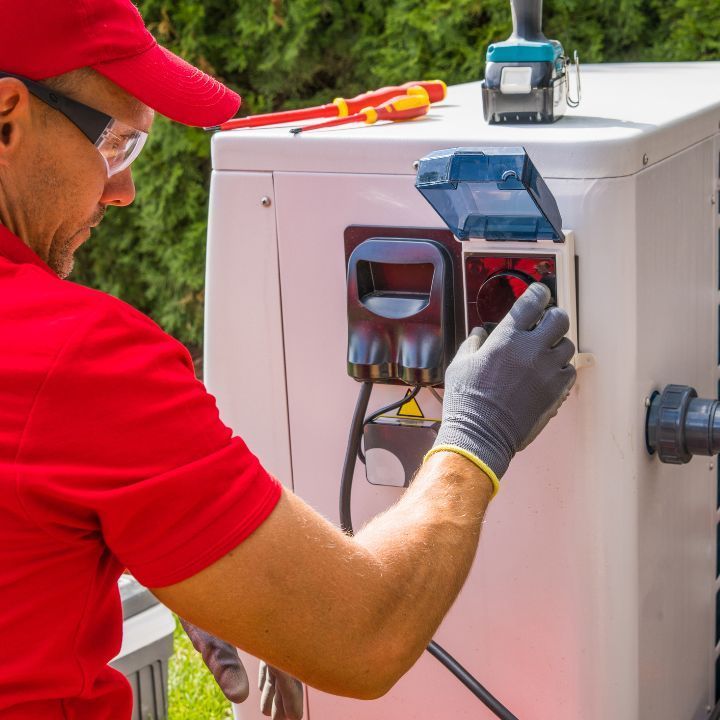
Step 3 — Installation. Our technicians install the heat pump system according to manufacturer specifications and applicable Michigan mechanical codes, including proper refrigerant line sizing and insulation, correct electrical supply, accurate refrigerant charge, and fully sealed and supported line sets. We do not cut corners on installation details that affect long-term reliability.
Step 4 — Commissioning and Verification. After installation, we commission the system fully — verifying refrigerant charge with accurate measurements, confirming airflow at every register using calibrated instruments, testing the defrost cycle operation, and validating backup heat staging. We do not hand over a new heat pump without confirming it is operating correctly at every stage of its sequence.
Financial Incentives for Heat Pump Installation
Michigan homeowners installing qualifying heat pump systems may be eligible for significant financial incentives:
- Federal Tax Credit (IRA Section 25C): Qualifying heat pump installations may be eligible for a federal tax credit of up to 30% of equipment and installation costs, up to $2,000 per year.
- Michigan Utility Rebates: Several Michigan utilities offer rebates for qualifying heat pump installations. Rebate amounts and eligibility requirements change periodically — OnPoint HVAC provides current rebate information at the time of your estimate.
- HVAC Financing: For homeowners managing upfront costs, we offer financing options to make a properly sized system accessible.
Service Area
OnPoint HVAC provides heat pump installation services throughout Metro Detroit, including:
Livonia, Northville, Plymouth, Canton, Westland, Garden City, Redford, Dearborn, Dearborn Heights, Farmington Hills, Novi, Wixom, South Lyon, Milford, Ann Arbor, Ypsilanti, Romulus, Taylor, Southgate, Wyandotte, Trenton, Wayne, Belleville, Inkster, Oak Park, Royal Oak, Berkley, Ferndale, Southfield, Bloomfield Hills, Troy, Sterling Heights, and surrounding communities.
For a complete overview of our HVAC services across Metro Detroit, visit our main service area page.
Frequently Asked Questions
Do heat pumps actually work in Michigan winters?
Cold climate heat pumps do — but standard heat pumps do not, at least not efficiently. Modern cold climate models maintain effective heating output at outdoor temperatures well below 0°F. The key is specifying the right equipment for this climate. OnPoint HVAC only recommends cold climate-rated heat pumps for Metro Detroit homes, and we size them based on your home's actual heat loss — not rules of thumb.
How much does heat pump installation cost in Metro Detroit?
A complete heat pump installation — outdoor unit, air handler or furnace pairing, electrical work, refrigerant line set, and commissioning — typically ranges from $6,000 to $14,000 or more depending on system type, home size, and whether ductwork modifications are needed. Federal tax credits and utility rebates can meaningfully reduce the net cost. OnPoint HVAC provides detailed, itemized estimates — request a free heat pump estimate to get accurate pricing for your specific project.
How long does heat pump installation take?
A typical heat pump installation in an existing home with accessible equipment locations takes one to two days. Dual-fuel installations requiring new furnace installation may take an additional day. Ductless multi-zone installations vary based on the number of indoor units and routing complexity.
Is a heat pump cheaper to operate than a gas furnace in Michigan?
It depends on current gas and electricity rates, your home's insulation, and the specific equipment. For the mild-to-moderate cold that makes up the majority of Metro Detroit's heating season, a cold climate heat pump typically costs less to operate than a gas furnace. For the coldest days, a dual-fuel system captures the best of both — heat pump efficiency for most of the season, gas capacity when temperatures drop. OnPoint HVAC can model operating cost comparisons based on current utility rates and your home's heat loss at your free estimate.
Ready to install a heat pump system engineered for Michigan? Call OnPoint HVAC at (248) 331-8090 or request a free heat pump estimate. George Petrentzev and the OnPoint team will size the right system for your home — not the easiest one to install.
AREAS WE SERVE
- BERKLEY
- BIRMINGHAM
- CANTON
- FARMINGTON
- FARMINGTON HILLS
- FERNDALE
- FRANKLIN
- LIVONIA
- NORTHVILLE
- NOVI
- PLYMOUTH
- REDFORD
- ROYAL OAK
- SOUTHFIELD