How Long Does a Furnace Last? (Michigan Guide) — OnPoint HVAC

George Petrentzev • April 19, 2026

How Long Does a Furnace Last? A Michigan Homeowner's Guide

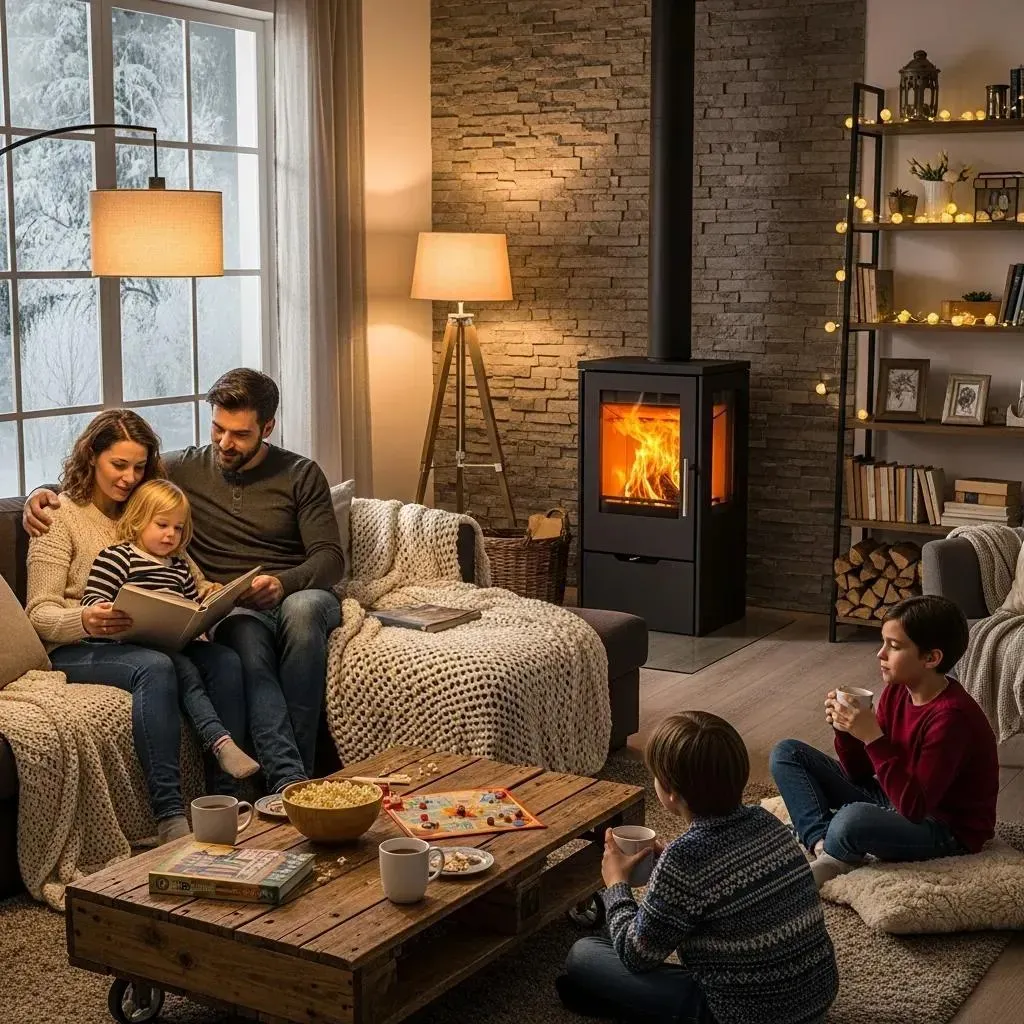
Family reading by a cozy fireplace in a warmly lit living room, with children gathered on rugs and sofa.

If you have owned a home in Metro Detroit for more than a decade, you have probably wondered at least once whether your furnace is living on borrowed time. It is a fair question — and in Michigan, where furnaces run hard from October through April, the answer matters more than it does in Atlanta or Phoenix.

The short answer: most furnaces last 15 to 20 years. The longer answer involves your maintenance history, equipment quality, how well the system was sized when it was installed, and a few Michigan-specific factors that accelerate wear in ways homeowners here do not always account for.

This guide covers what determines furnace lifespan, the warning signs that tell you a replacement is coming, and how to get the most years out of the system you have.


The 15–20 Year Baseline — and Why Michigan Is Harder on Equipment

The 15–20 year range cited by most HVAC engineers is based on national averages. In Michigan, the realistic expectation skews toward the lower end of that range for a few reasons:


Run Hours. Metro Detroit furnaces operate for roughly 2,500–3,500 hours per year during a typical heating season. That is significantly more than a furnace in a moderate climate. More hours mean more thermal cycling — the process of heating up, running, and cooling down — which is the primary source of wear on heat exchangers, burners, and blower motors over time.


Humidity Swings. Michigan winters are dry, and many homeowners add whole-home humidifiers to compensate. When a humidifier is not properly maintained or calibrated, it can introduce excess moisture into the air handler cabinet, accelerating corrosion on heat exchangers and electrical components.


Combustion Byproducts. In a correctly sized and maintained furnace, combustion gases exit cleanly through the flue. In an oversized furnace — which is extremely common because many contractors size by square footage rather than performing a proper load calculation — the unit short-cycles, meaning it fires, heats quickly, shuts off, and repeats. Short-cycling increases thermal stress on the heat exchanger far more than steady operation does.

Factors That Affect How Long Your Furnace Lasts

1. Original Equipment Quality Not all furnaces are built the same. Entry-level equipment from any manufacturer typically uses thinner-gauge heat exchangers and lower-grade motors. Mid-tier and premium equipment uses heavier components that handle thermal cycling better over time. The brand matters less than the tier within a brand's product line.


2. Installation Quality A furnace that is properly sized with a Manual J load calculation, correctly matched to the duct system, and commissioned to manufacturer specifications will outlast an identically priced unit that was oversized, improperly piped, or poorly commissioned. Installation quality is the single biggest variable in long-term equipment life — and it is invisible to most homeowners at the time of installation.


3. Maintenance History Annual maintenance — filter changes, burner inspection, heat exchanger inspection, flue cleaning, blower cleaning, and electrical inspection — meaningfully extends furnace life. Neglected furnaces accumulate problems that compound: a dirty blower forces the motor to work harder; a cracked heat exchanger goes undetected and worsens; a partially blocked flue causes combustion problems that damage the heat exchanger from the inside.


4. Airflow Restricted airflow is one of the most common and most damaging furnace problems. A clogged filter, undersized return, blocked register, or leaky duct system all force the heat exchanger to run hotter than it was designed to. Sustained over-temperature operation is a primary driver of premature heat exchanger cracking — which is both a mechanical failure and a carbon monoxide safety hazard.

Signs Your Furnace Is Approaching End of Life

Age alone does not mean replacement is imminent, but these signs in combination with an aging system are reliable indicators:

  • Rising heating bills without explanation. As furnaces age, combustion efficiency and heat exchanger performance decline. If your gas bills are climbing without a change in usage habits or utility rates, your furnace is likely working harder to deliver the same output.
  • Increasing repair frequency. One repair in a 15-year-old furnace is not alarming. Two repairs in two years is a pattern. Three is a signal that the system is entering a period of cascading component failures — and each repair bill is money that could have gone toward replacement.
  • Uneven heating across the house. Declining blower performance, duct leakage that has worsened over time, and heat exchanger inefficiency all contribute to rooms that used to be comfortable becoming harder to heat.
  • Yellow or flickering burner flame. A healthy gas furnace flame is blue and steady. Yellow, orange, or flickering flames indicate combustion problems that can signal heat exchanger issues or gas supply problems.
  • Carbon monoxide detector alerts. A cracked heat exchanger can allow combustion gases — including carbon monoxide — to enter the air supply. If your CO detector trips in the vicinity of the furnace, shut the system down and call immediately. Do not operate the furnace until a qualified technician has inspected the heat exchanger.
  • Unusual noises. Banging on startup (delayed ignition), loud squealing (blower motor bearing failure), or persistent rattling (loose heat exchanger panels or blower wheel) all indicate mechanical wear that deserves attention.

How to Maximize the Life of Your Current Furnace

If your furnace is 10–14 years old and running well, a few practices can help you get the most remaining life out of it:

Change the filter on schedule. For standard 1-inch filters, that means every 30–60 days during the heating season. For thicker media filters (4–5 inch), every 6–12 months. A clean filter is the single cheapest thing you can do for furnace longevity.


Schedule annual maintenance. A professional HVAC tune-up each fall — before the heating season begins — catches developing problems before they become failures, keeps the heat exchanger clean and correctly monitored, and verifies that your system is operating safely. Learn more about our maintenance services.


Address repairs promptly. A small repair deferred becomes a larger repair or a component failure. If your furnace is showing a minor symptom, get it looked at. Our furnace repair team diagnoses first and recommends only what is necessary.

When Repair No Longer Makes Sense

The industry standard decision framework: if a repair costs more than 50% of the replacement cost and the system is older than 10–12 years, replacement is almost always the better financial decision. You are spending significant money to extend the life of aging equipment when a new, properly sized system would deliver better efficiency, lower operating costs, and a manufacturer warranty.


If you are approaching that threshold, it is worth getting a replacement estimate alongside the repair quote so you can make a fully informed decision. OnPoint HVAC always provides both numbers when we are evaluating an aging system.

Ready to Evaluate Your Furnace?

If your Metro Detroit furnace is 12 years old or older, a professional assessment will tell you exactly where you stand — remaining heat exchanger life, efficiency relative to current equipment, and what a properly sized replacement would cost.


Call OnPoint HVAC at (248) 331-8090 or request a free furnace assessment. George Petrentzev and our licensed, engineer-led team serve homeowners throughout Metro Detroit with honest evaluations and properly engineered furnace installations — no upselling, no oversizing.

Recent Posts

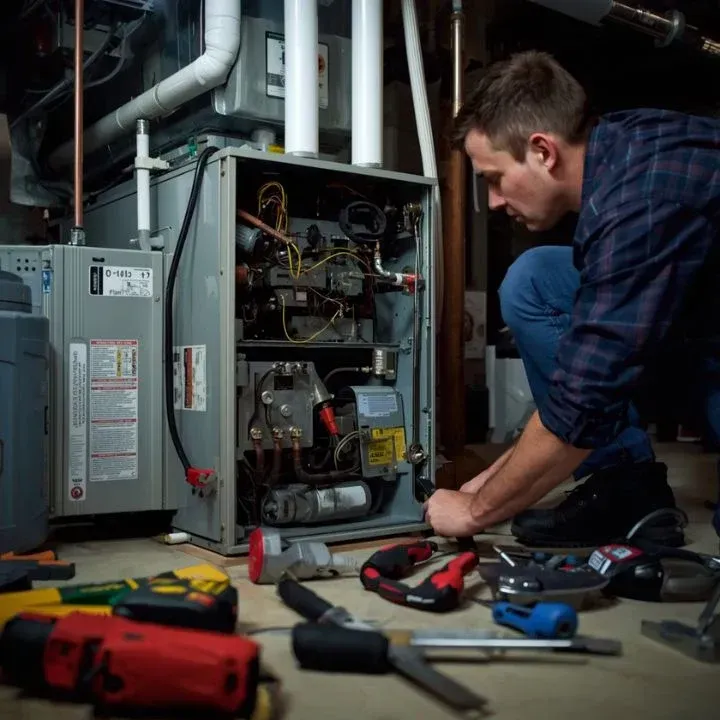
Technician kneels by an open furnace, using tools in a basement utility room.
By George Petrentzev April 23, 2026
HVAC Repair or Replace? How Metro Detroit Homeowners Should Decide
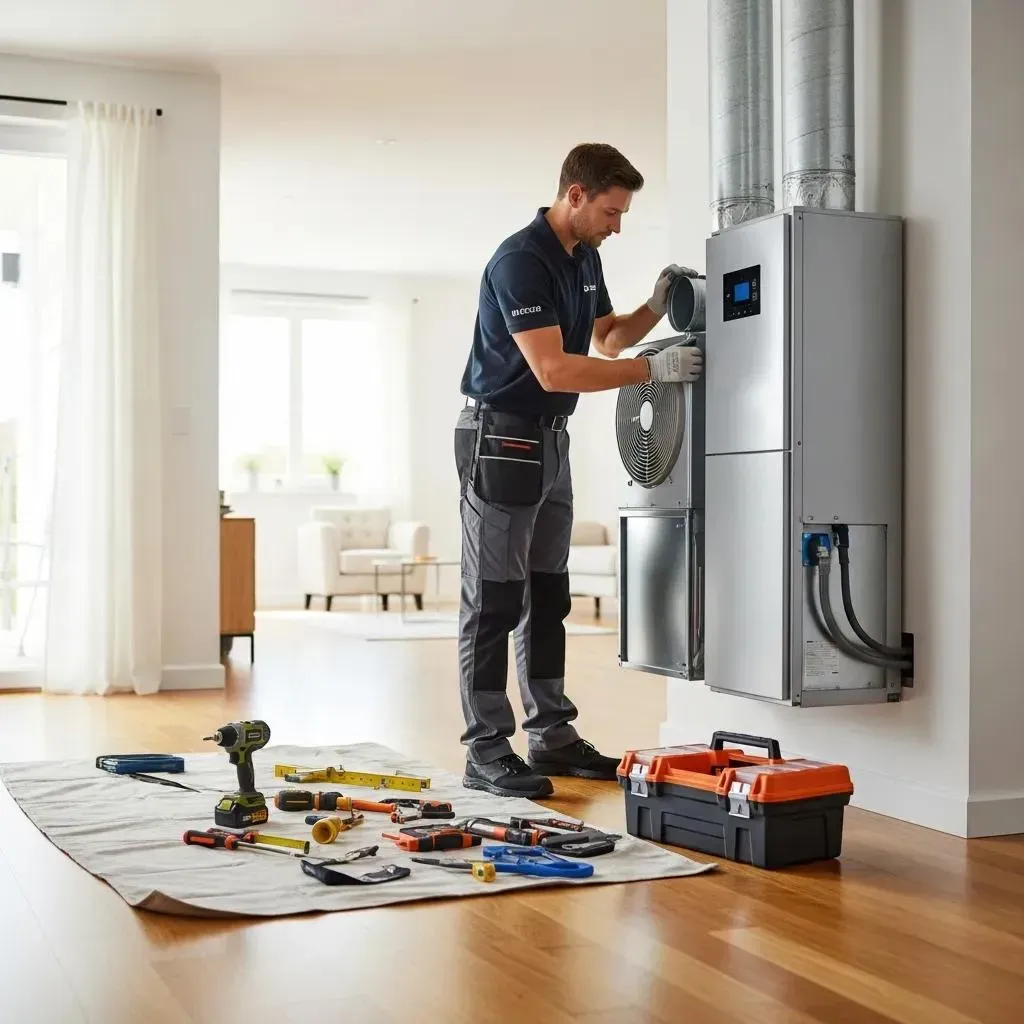
HVAC technician installing a modern heating and cooling system in a residential home
By George Petrentzev March 18, 2026
Learn essential insights on HVAC installation expenses in Metro Detroit. Understand costs, factors influencing pricing, and budget effectively for your project.

Modern air conditioning unit and ductless mini-split in a bright living room, illustrating home cool
By George Petrentzev March 17, 2026
Stay cool at home with the best AC and mini-split solutions. Learn about efficient cooling options and find the perfect fit for every space today!
Open manual for AC installation on a desk, showing diagrams of unit setup alongside various tools like wrenches and tape.
By George Petrentzev March 14, 2026
Looking for affordable AC installation services? This professional guide details costs, replacement options, and tips for seamless installation of new units.
A family relaxes by a pellet stove in a living room with snowy views outside; some play a game while others read and sit.
By George Petrentzev March 13, 2026
Meta Description: "Michigan homeowners gain expert insights on whether to repair or replace their furnace. Make informed decisions for a cozy home this winter.
Four grey outdoor air conditioning units sit on a gravel bed next to a building with beige siding and stone accents.
By George Petrentzev March 13, 2026
Professional AC installation options in Livonia, MI, offer homeowners comfort and efficiency. Learn key insights to make the best choice for your cooling needs.
HVAC technician working on a system in a residential home
By George Petrentzev March 12, 2026
Get reliable HVAC services with OnPoint HVAC. Our licensed and insured team provides top-rated solutions, ensuring comfort and satisfaction in your home.
A technician works on a furnace in a basement, with ductwork and a house cutaway view.
By George Petrentzev March 2, 2026
Livonia residents can enhance home comfort with this comprehensive furnace installation guide, ensuring efficiency and safety. Follow expert tips for success.
Glowing furnace with a thermostat, plant, and folded towel.
By George Petrentzev February 27, 2026
Keep your home comfortable with this essential furnace maintenance checklist. Homeowners can ensure safety and efficiency with routine checks and upkeep tips.

Local livonia HVAC company technician greeting a happy customer
By George Petrentzev February 23, 2026
OnPoint HVAC offers reliable cooling solutions for every need. Trust their expertise to keep your home comfortable and energy-efficient all year round.
Show More