If you have gotten a quote for a new furnace or air conditioner in the last few years, you may have heard the phrase "Manual J load calculation" — or you may have gotten a quote from a contractor who never mentioned it at all. That distinction matters more than most homeowners realize.
Manual J is the engineering standard for sizing residential HVAC equipment. It is the calculation that answers the question every HVAC installation should start with:
How much heating and cooling capacity does this specific home actually need? Without it, contractors are guessing. And in Metro Detroit — where furnaces run hard for six months and summers demand reliable air conditioning — a guess that is wrong by even 20% in either direction has real consequences for your comfort, your equipment, and your utility bills.
What Manual J Actually Is
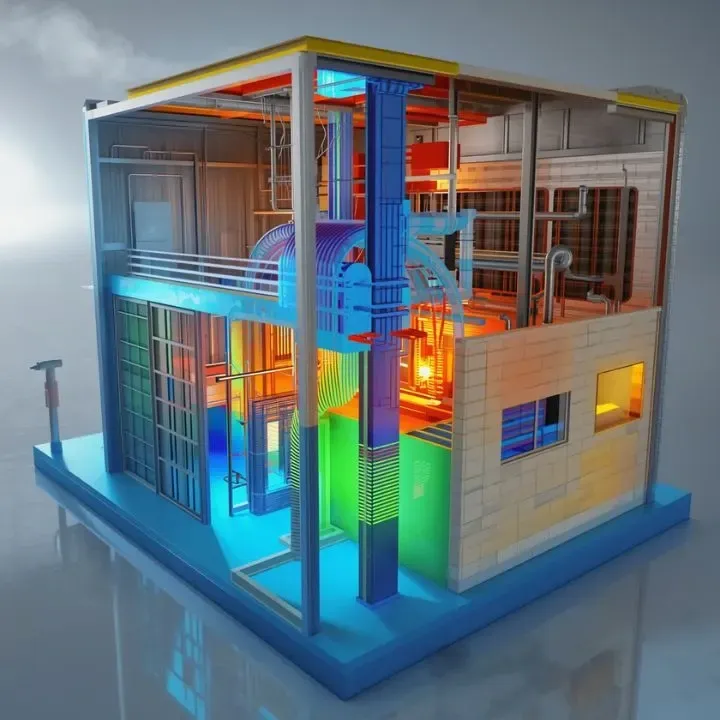
Manual J is a residential load calculation procedure developed by the Air Conditioning Contractors of America (ACCA) and adopted as the industry standard for sizing heating and cooling equipment. It is not a rule of thumb, a square footage formula, or an estimate based on what the previous system was. It is a room-by-room, engineering-based calculation that accounts for every variable that affects how much heat your home gains and loses.
Those variables include:
- Square footage and ceiling height of each room and the home overall
- Insulation levels in walls, attic, floors, and basement
- Window area, orientation, and glazing type — a south-facing wall of windows in Michigan gains significant solar heat; a north-facing wall with minimal windows loses it
- Air infiltration rate — how tight or leaky the building envelope is
- Internal heat gains from occupants, appliances, and lighting
- Local climate data — outdoor design temperatures for Metro Detroit specifically, not national averages
- Duct system location and insulation — ducts running through an uninsulated attic lose conditioning before it reaches living spaces
The output of a Manual J calculation is the design heating load and design cooling load for your home — measured in BTUs per hour — which tells us the minimum capacity the equipment must deliver to maintain comfort on the coldest design day in winter and the hottest design day in summer.
What Happens When Contractors Skip It
The most common alternative to Manual J is sizing equipment based on square footage rules of thumb — typically something like "1 ton of AC per 400–600 square feet" or matching the capacity of whatever system is being replaced. Both approaches are deeply unreliable, and both consistently produce oversized equipment.
Oversizing is the most common HVAC installation mistake in Metro Detroit homes. Here is why it matters:
Short-cycling. An oversized furnace or air conditioner heats or cools the space so quickly that it shuts off before completing a full run cycle. This start-stop-start-stop pattern — called short-cycling — means the system never reaches steady-state efficiency, wears mechanical components faster, and reduces equipment life.
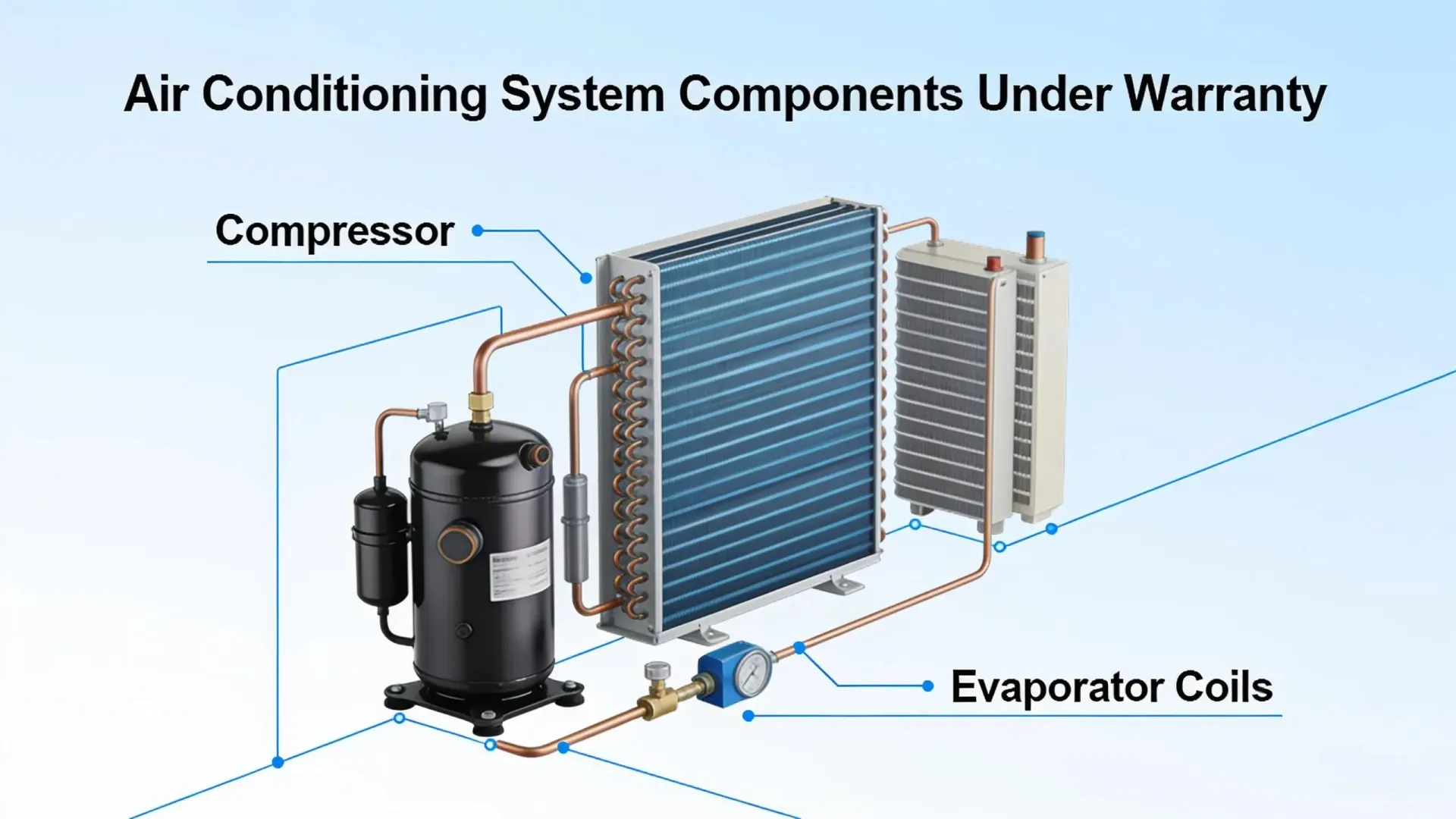
Poor dehumidification. Air conditioners remove humidity during the cooling process, but only when they run long enough for moisture to condense and drain off the evaporator coil. An oversized AC that short-cycles removes very little humidity, leaving your home feeling clammy and warm even when the thermostat is satisfied. This is why so many Metro Detroit homes with oversized equipment feel uncomfortable all summer despite adequate cooling capacity.
Uneven temperatures. Short-cycling produces temperature swings — the house overshoots the setpoint in one direction before the system kicks on, overshoots in the other direction before it shuts off, and never settles into steady comfort.
Higher utility bills. Despite having more capacity than needed, oversized equipment costs more to operate than correctly sized equipment because of the efficiency losses associated with short-cycling and the energy consumed during the inefficient startup phase of every cycle.
Premature failure. The thermal stress from repeated heating and cooling cycles is the primary driver of heat exchanger fatigue in furnaces and compressor wear in air conditioners. An oversized system that short-cycles endures more thermal cycles per hour of run time than a properly sized system running at steady state.
Manual J in a Michigan Climate
Michigan's climate creates some specific inputs that make proper load calculation particularly important:
Design heating temperatures. Metro Detroit's 99th percentile winter design temperature — the outdoor temperature that drives the heating load calculation — is approximately 3°F to 6°F, depending on the specific location. Contractors using national averages or defaulting to 0°F or 10°F will size equipment incorrectly.
Summer humidity. Michigan summers are humid, which affects the latent (moisture) component of the cooling load. A proper Manual J calculates both sensible (temperature) and latent (humidity) loads separately, which is essential for correctly sizing equipment to maintain both temperature and humidity in summer.
Diverse housing stock. Metro Detroit has an unusually wide range of housing vintages — from 1920s brick colonials with little insulation to 2010s new construction with spray foam and triple-pane windows. Square footage rules that might work reasonably well for homogeneous housing stock fail badly when applied across this range.
How OnPoint HVAC Does It Differently
Licensed mechanical engineer George Petrentzev performs a Manual J load calculation on every HVAC installation OnPoint HVAC completes. This is not a premium add-on or an upsell — it is the standard starting point for every project, because specifying equipment without it is guessing with your money.
The calculation informs every downstream decision: equipment capacity, equipment model selection, airflow requirements, and — for duct modifications — the Manual D duct design that ensures the system actually delivers the calculated airflow to each room.
When you get a quote from OnPoint HVAC for a
new furnace installation or
heat pump installation, the Manual J is already done before equipment is selected. You will see the calculated loads alongside the equipment specifications — not a rule-of-thumb match to your old system's nameplate.
Questions to Ask Your HVAC Contractor
If you are getting quotes for HVAC installation, ask every contractor directly:
"Will you perform a Manual J load calculation before selecting equipment?"
A contractor who says yes and can show you the inputs and outputs of that calculation is doing the work correctly. A contractor who says the square footage is sufficient, or who quotes equipment to match your existing system without any calculation, is sizing by guesswork.
You are making a decision that affects your home's comfort and your utility bills for the next 15–20 years. The calculation that starts the process correctly takes a few hours of engineering work. It is worth insisting on.
Ready for an HVAC installation done the engineering way? Call OnPoint HVAC at (248) 331-8090 or
request a free estimate. We serve homeowners throughout
Metro Detroit with properly calculated, correctly sized HVAC systems — no guesswork, no oversizing.