Licensed Furnace Installation and Heating System Replacement in Plymouth, MI: Complete Solutions for Home Comfort
Installing or replacing a furnace is one of the most important investments you can make in your home’s comfort and safety—especially here in Plymouth, MI where winters are long and cold. Knowing the types of systems available, what a professional installation looks like, and the advantages of working with licensed technicians helps you choose the right solution. Below we walk through furnace types, the installation process, why licensed work matters, and financing and efficiency options so you can make a confident decision for your home.
Types of Furnaces
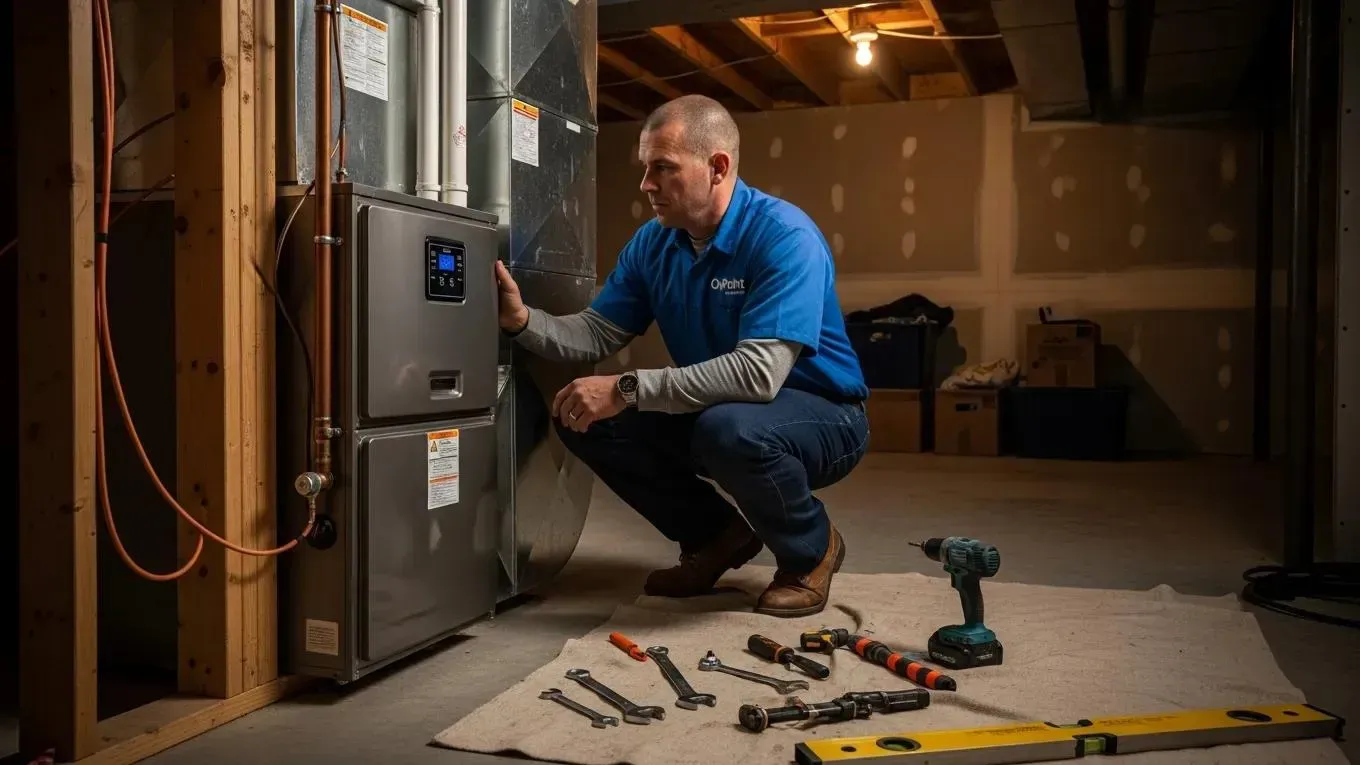
When you’re researching options for furnace installation Plymouth MI, it helps to know the strengths of each system. Different furnaces suit different homes and budgets.
- Traditional Furnaces: Typically gas or oil-fired, these units deliver steady, powerful heat and work well in colder climates. They’re a reliable choice for heating larger homes quickly.
- Heat Pumps: Heat pumps both heat and cool, offering year‑round versatility. They’re especially efficient in moderate climates and can lower energy costs when conditions are appropriate.
- Hybrid Configurations: A hybrid setup pairs a heat pump with a conventional furnace, switching between the two to maximize efficiency and control operating costs.
Knowing these options makes it easier to choose a system matched to your home’s layout, insulation, and comfort priorities.
Installation Process
A professional furnace installation follows clear steps to ensure safety, efficiency, and reliable operation.
- In-Home Assessment & Load Calculation: We evaluate your home’s heating needs and calculate load requirements so the unit you get is sized correctly.
- Custom System Design & Quote: Based on the assessment, we design a system that fits your home and provide a transparent quote with timelines and costs.
- Precision Installation: Our technicians install the equipment to manufacturer specifications, making sure all connections and controls meet safety and performance standards—this is core to our heating installation Plymouth MI work.
- System Testing & Walkthrough: After installation we test the system thoroughly and walk you through operation, maintenance tips, and warranty details.
This step-by-step approach helps avoid common issues and ensures the new system performs as intended.
Benefits for Home Heating Needs
Hiring licensed pros for furnace installation brings measurable benefits in comfort, safety, and long‑term cost.
- Efficiency: Proper sizing and expert installation let the furnace run at peak performance, lowering energy use and monthly bills.
- Safety: Licensed technicians follow code and safety protocols to reduce risks like leaks or improper venting.
- Long-Term Performance: Correct installation reduces wear and tear, cutting down on repairs and extending equipment life—important when considering furnace replacement Plymouth MI.
- Custom Solutions: Professionals tailor the system to your home, from ductwork considerations to control choices, so you get the comfort you want.
OnPoint HVAC focuses on licensed installations so homeowners receive dependable, long-lasting results.
Additional Services
Beyond furnace installation, we offer complementary services to keep your home comfortable and efficient:
- Maintenance Plans: Scheduled tune-ups and inspections help prevent breakdowns and keep systems running efficiently year after year.
- Electrical System Upgrades: Updated wiring and panels ensure your heating system runs safely and meets the power requirements of modern equipment.
These services work together with new systems to deliver consistent comfort and reliability.
What Are the Benefits of Licensed Furnace Installation in Plymouth MI?
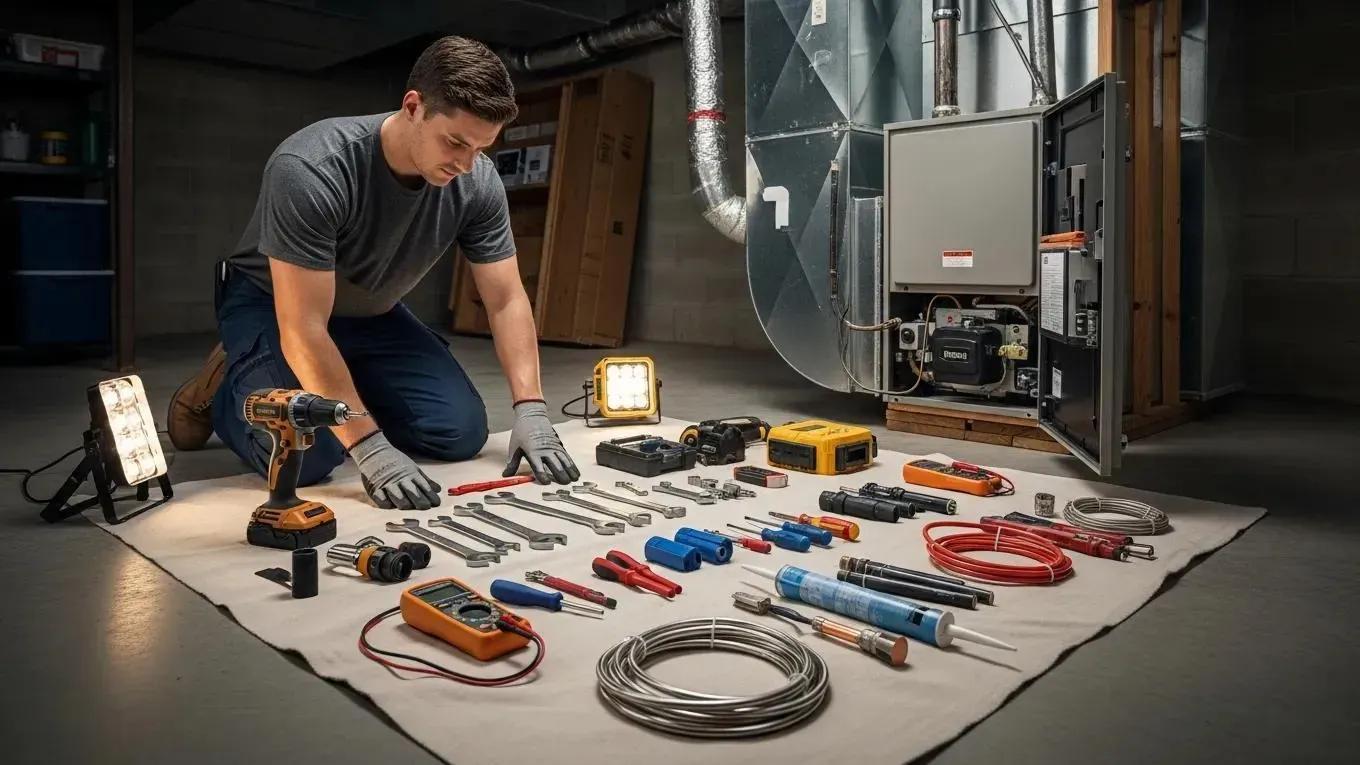
Choosing licensed professionals for furnace installation Plymouth MI provides clear advantages:
- Safety Advantages: Trained installers reduce installation risks by following proven safety practices.
- Compliance with Local Regulations: Licensed contractors know local codes and pull the right permits so the work meets municipal requirements.
- Potential Cost Savings: Correct installation and the right equipment size lower operating costs and reduce the need for premature repairs.
These benefits underscore why licensing and experience matter when replacing or installing a furnace.
How Do Licensed Heating Contractors Ensure Quality and Compliance?
Licensed contractors rely on repeatable processes to deliver consistent, code-compliant installations:
- In-Home Assessment & Load Calculation: Accurate load calculations guide proper equipment selection.
- Custom System Design: Designs account for your home’s unique layout and comfort goals.
- Precision Installation: Skilled technicians follow industry best practices to install and commission the system—this is central to our heating installation Plymouth MI projects.
- Compliance with Local Regulations: Familiarity with local codes keeps projects on track and protects homeowners from compliance issues.
These practices help ensure a safe, efficient system that meets expectations.
What Energy Efficiency Advantages Do Licensed Installations Provide?
Licensed installations unlock energy-efficiency benefits that add up over time:
- Optimized Performance: Proper setup means the furnace runs at its rated efficiency rather than losing performance to leaks, poor airflow, or incorrect settings.
- Advanced Technology: Installers recommend high-efficiency models and controls that reduce consumption while keeping you comfortable.
- Long-Term Savings: Better efficiency translates to lower utility bills and a faster return on your investment.
Choosing a licensed installation is a practical way to maximize efficiency and savings.
What Is the Step-by-Step Process for Furnace Installation and Replacement?
Typical installation and replacement follow a predictable series of steps to make the project smooth and transparent:
- Initial Consultation: Discuss goals, timeline, and budget with a licensed contractor experienced in both furnace installation Plymouth MI and furnace replacement Plymouth MI.
- Home Assessment: We inspect your house to determine the correct size and system type.
- System Design and Quote: Receive a detailed plan and cost estimate tailored to your home.
- Installation: Our technicians install the new system carefully and in line with manufacturer specs.
- Testing and Walkthrough: Final testing and a homeowner walkthrough ensure you understand operation and maintenance.
This structured workflow reduces surprises and keeps projects on schedule.
How Is the Heating System Assessed Before Installation?
Before installation we evaluate your home so equipment choices match real-world needs:
- Load Calculation: We calculate heating requirements based on square footage, insulation, orientation, and other factors.
- Existing Infrastructure Evaluation: Ductwork, vents, and electrical systems are reviewed to ensure compatibility with the new unit.
- Energy Efficiency Considerations: We compare potential savings across models to find the best long-term value.
Accurate measurements and a thorough assessment are essential for proper equipment selection and efficient distribution.
Essential Load Calculations for Residential HVAC Design
Residential heating and cooling load calculations provide the data needed to select equipment and design an effective distribution system.
The Residential Heat Balance Method for Heating and Cooling Load Calculations., JD Spitler, 2005
The design and architecture of a building directly affect its heating and cooling demands.
Building Design's Influence on Heating & Cooling Loads
This study examines how building design parameters impact heating and cooling load estimates.
Impact of building design parameters precision on heating and cooling load calculations, E Markarian, 2019
How Does Smart Thermostat Integration Enhance Heating Efficiency?
Adding a smart thermostat to your heating system can boost efficiency and convenience:
- Automating Temperature Control: Smart thermostats learn schedules and adjust temperatures to reduce waste while keeping you comfortable.
- Remote Access: Control your system from anywhere to save energy when you’re away and return to a comfortable home.
- Energy Usage Monitoring: Built-in reporting helps you see where you’re using energy and how to optimize settings.
Smart controls are an easy upgrade that often pays for itself through lower energy use.
How Are Costs and Financing Structured for Furnace Installation and Replacement?
Costs vary by system type, installation complexity, and any required upgrades. Understanding financing and incentives makes budgeting easier.
Besides traditional financing, homeowners may qualify for local rebates or tax incentives when investing in high-efficiency systems.
Tax Benefits for High-Efficiency Residential Heating Systems
Certain high-efficiency upgrades can qualify for tax incentives or temporary property tax exemptions, depending on local programs and regulations.
How to finance energy renovation of residential buildings: Review of current and emerging financing instruments in the EU, P Bertoldi, 2021
Financing Options Available
Common ways homeowners finance furnace projects include:
- Personal Loans: Unsecured loans that cover the upfront cost of equipment and installation.
- Home Equity Loans: Use home equity for larger projects, often at lower interest rates.
- Manufacturer Financing: Some manufacturers or dealers offer payment plans to spread costs over time.
These options make it easier to invest in a system that improves comfort and efficiency.
What Factors Influence the Cost of Furnace Installation in Plymouth MI?
Several elements affect final project cost:
- Type of Furnace: High-efficiency or specialty models carry higher price tags than basic units.
- System Size and Capacity: Larger systems require more materials and labor.
- Existing Infrastructure: Old or damaged ductwork and electrical systems can increase installation scope and cost.
- Installation Complexity: Custom or hard-to-reach installations take more time and resources.
- Local Permits and Regulations: Permit fees and code requirements can add to the total.
Knowing these factors helps you plan and compare estimates more effectively.
What Financing Options Are Available for Home Heating Replacement Services?
For homeowners replacing a heating system, available financing options include:
- Personal Loans: Flexible for a range of home improvement projects.
- Home Equity Loans: Useful for larger investments with potentially lower rates.
- Manufacturer Financing: Promotional plans that reduce upfront cost and spread payments over time.
These choices help make replacements more manageable without sacrificing quality.
For more information about HVAC services, contact us today.
To ensure your home's electrical systems are ready for a new furnace, consider electrical system upgrades. Proper electrical work is crucial for the safe and efficient operation of your new furnace.
When it comes to ensuring your home's plumbing is up to par, especially during a furnace installation, consider plumbing services. Proper plumbing is essential for the safe and efficient operation of your new furnace.
For all your furnace installation and home heating needs in Plymouth, MI, trust
OnPoint HVAC to deliver expert service and reliable solutions—including
furnace replacement Plymouth MI,
heating installation Plymouth MI, and other heating services tailored to your home.
FREQUENTLY ASKED QUESTIONS
What should I look for when choosing a furnace for my home?
When selecting a furnace, consider factors such as energy efficiency ratings, the type of fuel it uses (gas, electric, oil), the size of your home, and your budget. Additionally, inspect warranties and after-sales service options provided by the manufacturer. It's also crucial to evaluate the furnace's heating capacity (measured in BTUs) to ensure it matches your home’s needs, especially given the cold winters in Plymouth, MI.
How often should I have my furnace serviced?
For homeowners in Livonia, we prioritize same-day and next-day appointments whenever possible, especially during Michigan heating season. Emergency furnace repair in Livonia MI is available for no-heat situations. Call us directly at (248) 331-8090 — our team will tell you exactly when we can arrive.
What signs indicate my furnace might need replacement?
Common signs that may indicate the need for furnace replacement include frequent repairs, rising energy bills, inconsistent heating, unusual noises, and an age of over 15 years. If your furnace is not heating effectively or has begun to malfunction regularly, it may be time to consider upgrading to a more efficient and reliable model. A professional assessment can help determine whether repair or replacement is the better option.
Can I install a furnace myself, or should I hire a contractor?
While some homeowners may consider DIY furnace installation, it’s highly recommended to hire a licensed contractor. Professional installers have the expertise to ensure safe, efficient, and code-compliant installation. Mistakes can lead to safety hazards, decreased efficiency, and costly repairs later. Moreover, many manufacturers require professional installation for warranty validation.
Are there energy efficiency programs or rebates available in Plymouth, MI?
Yes, homeowners in Plymouth, MI, may be eligible for various energy efficiency programs, incentives, and rebates, particularly for high-efficiency furnace installations. Local utilities and government programs often provide financial incentives to encourage the adoption of energy-saving technologies, which can significantly offset the cost of upgrades. It’s advisable to check with local energy providers or government websites for the latest offerings.
What factors can increase the cost of furnace installation?
Several factors can affect the cost of furnace installation, including the type and efficiency level of the furnace chosen, additional ductwork requirements, necessary electrical upgrades, and local permit costs. Additionally, geographical location and labor costs can vary and influence the overall project price. Ensuring accurate assessments beforehand helps prepare homeowners for potential budget considerations.
How can I improve the efficiency of my heating system post-installation?
Post-installation, homeowners can enhance heating system efficiency by regularly maintaining the furnace, sealing ductwork to prevent air leaks, and using a smart thermostat for better temperature control. Furthermore, insulating the home and ensuring proper window treatments can minimize heat loss. Implementing these strategies can lead to lower energy costs and improved comfort in your living spaces.
AREAS WE SERVE
- BERKLEY
- BIRMINGHAM
- CANTON
- FARMINGTON
- FARMINGTON HILLS
- FERNDALE
- FRANKLIN
- LIVONIA
- NORTHVILLE
- NOVI
- PLYMOUTH
- REDFORD
- ROYAL OAK
- SOUTHFIELD