Routine
furnace maintenance ensures dependable
HVAC performance and strong
energy efficiency. Regular service extends system life, reduces the risk of costly repairs, and maintains safe operation. This article gives clear maintenance tips and a practical checklist to help homeowners keep systems running optimally. You’ll find guidance on inspection frequency, key tasks, preventive measures that improve efficiency, and when to contact a professional.
How Often Should You Perform a Comprehensive
Furnace Inspection?
A comprehensive
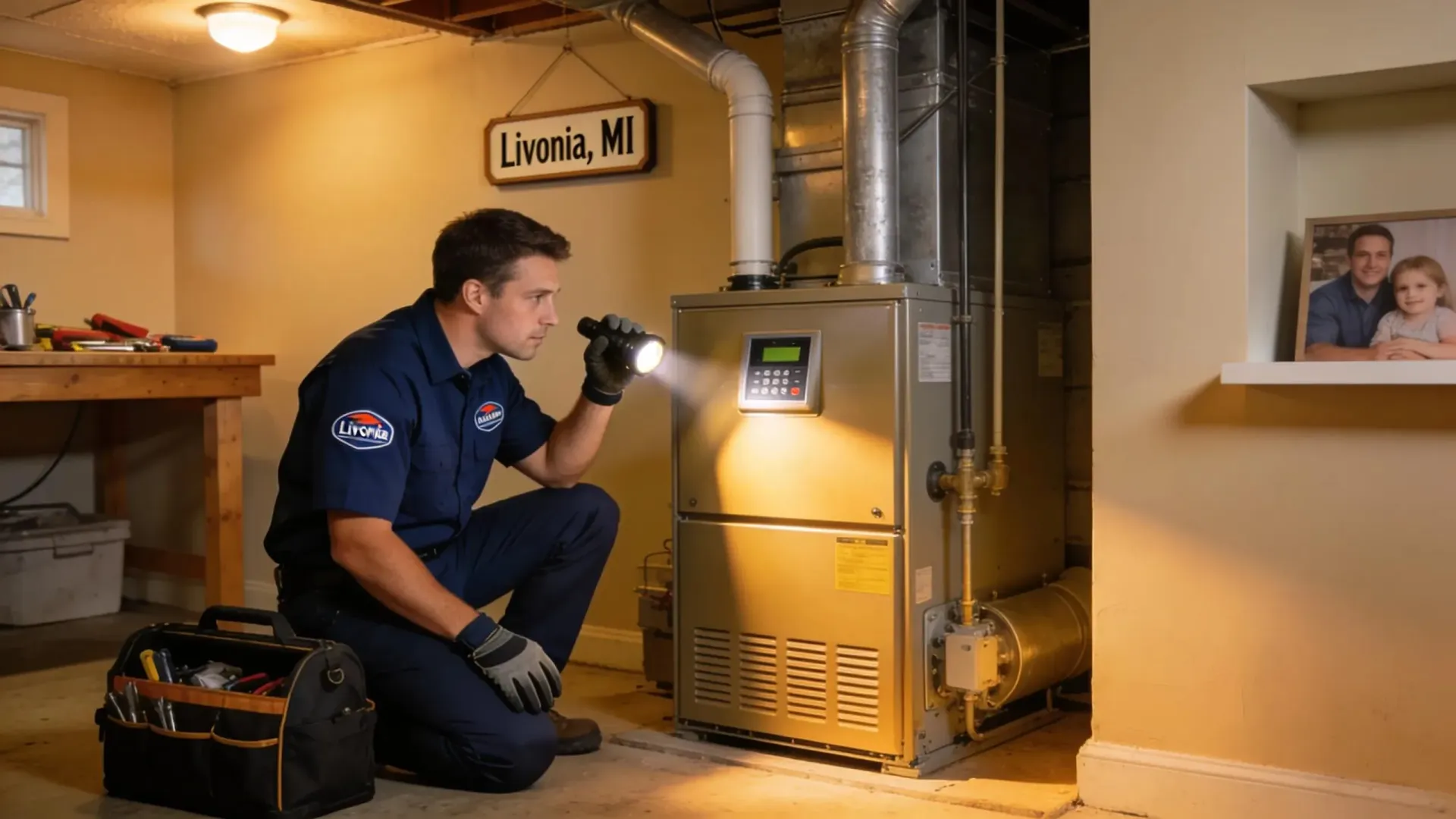
furnace inspection preserves performance and safety. Have a full inspection at least once a year, ideally before the heating season starts. Regular checks catch developing issues early so your system runs reliably and efficiently all winter.
What Are the Key Components to Check During a
Furnace Inspection?
Inspect these components to confirm correct operation:
- Ductwork Evaluation: Inspecting ductwork for leaks or blockages is crucial for maintaining airflow and efficiency.
- Venting System Checks: Ensuring that the venting system is clear and functioning properly prevents dangerous gas buildup.
- Gas Line Inspections: Checking for leaks in the gas line is vital for safety and efficient operation.
How Does Regular Inspection Prevent Heating System Failures?
Regular inspections stop small faults from turning into failures. Early detection of a faulty thermostat or a clogged filter preserves efficiency and prevents breakdowns. Routine checks also verify the system meets safety standards and reduce the risk of carbon monoxide incidents.
What Are the Critical Steps in
HVAC System Maintenance for Seasonal Tune-Ups?
Seasonal tune-ups keep your
HVAC system operating smoothly. They focus on targeted checks and adjustments that restore performance and improve efficiency.
How to Replace and Clean
Furnace Filters Effectively?
Filter replacement and cleaning is simple but essential. Check filters monthly and replace them every 1–3 months depending on usage and filter type. Clean filters restore proper airflow, lower
energy use, and extend
furnace life.
Which Safety Checks Ensure Carbon Monoxide and Ventilation Safety?
Safety checks prevent carbon monoxide buildup and confirm proper ventilation. Key checks include testing carbon monoxide detectors, verifying vent clearances, and ensuring systems comply with safety standards.
How Can Preventive
Furnace Care Improve
Energy Efficiency and Longevity?
Preventive
furnace care improves
energy efficiency and extends system lifespan. Addressing minor issues early reduces
energy waste and avoids larger, more expensive repairs.
Research supports that strategic maintenance approaches are key to optimizing
energy use.
Preventive Maintenance Strategies for Energy Efficiency
Discusses maintenance strategies for energy efficiency, comparing traditional preventive models such as block-based and use-based maintenance.
Maintenance strategies and energy efficiency: a review, N Firdaus, 2023
What Maintenance Practices Reduce
Energy Costs by Up to 15%?
Consistent maintenance can produce notable
energy savings. Key practices include:
- Regular Maintenance: Scheduling annual inspections and tune-ups ensures optimal performance.
- Filter Replacements: Consistently replacing filters maintains airflow and efficiency.
- System Evaluations: Periodic evaluations help identify inefficiencies and areas for improvement.
Why Is Professional Tune-Up Service Essential for Long-Term
Furnace Performance?
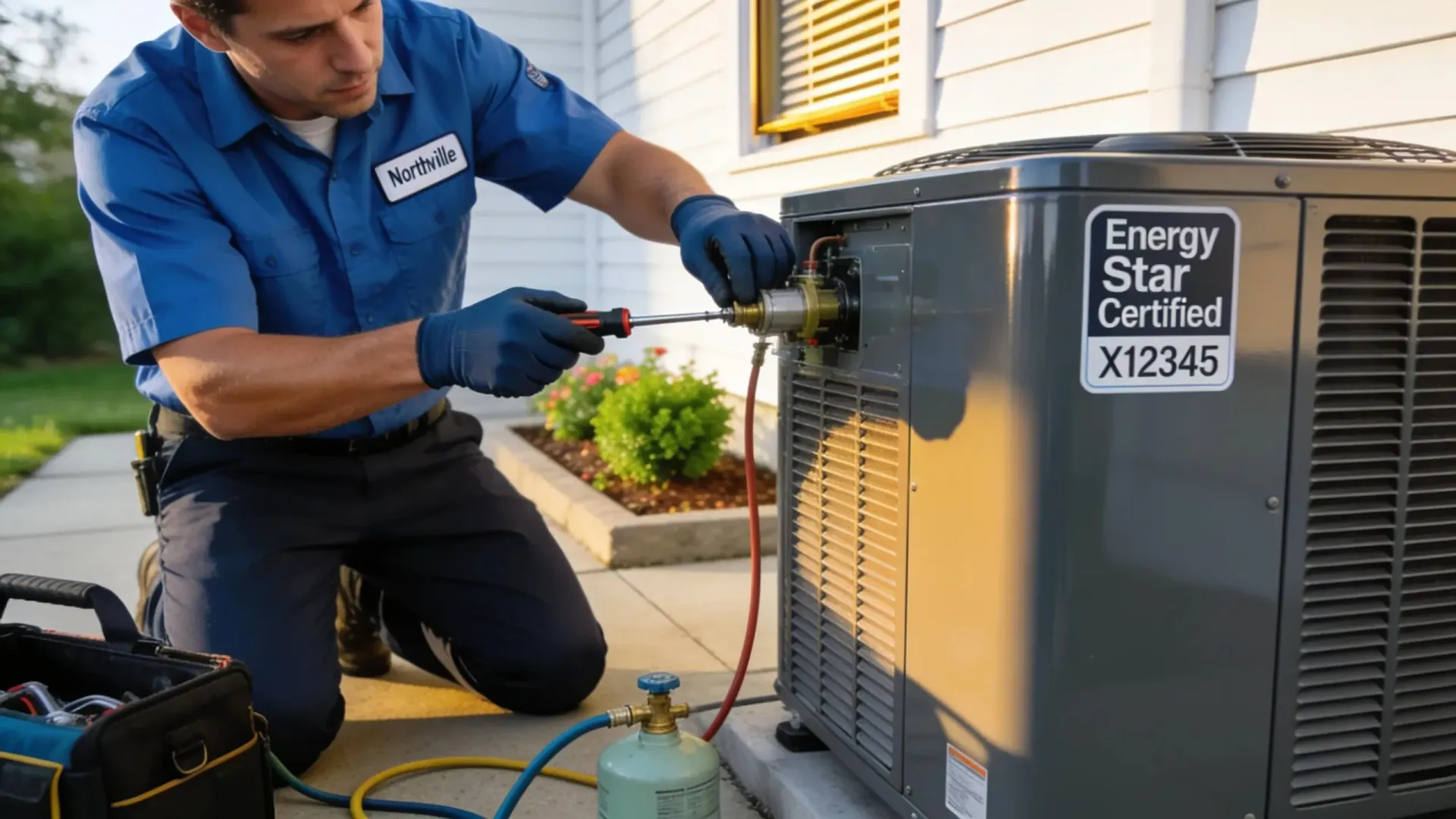
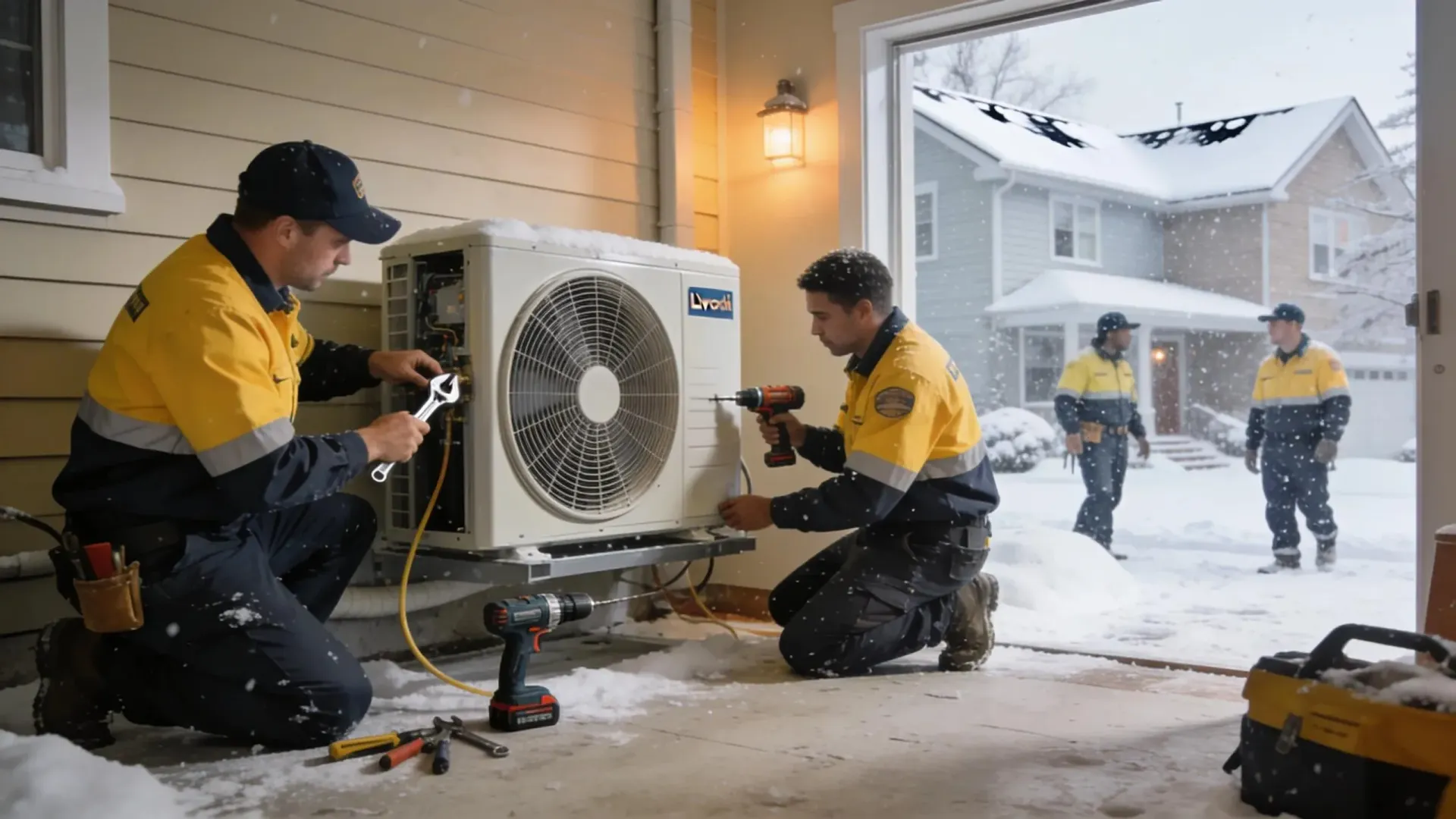
Professional tune-ups are essential for long-term reliability. Trained technicians perform comprehensive evaluations and identify issues that are easy to miss, delivering consistent performance and peace of mind.
When Should You Call Professionals for
Furnace Maintenance and Repairs?
Know when to call
professionals for
furnace
maintenance
and repairs to preserve system efficiency and safety.
What Are the Signs Your Heating System Needs Expert Attention?
Watch for these signs that indicate you should call a professional:
- Frequent Breakdowns: If your
furnace frequently malfunctions, it may be time for a professional evaluation or
replacement.
- Rising Energy Bills: A sudden increase in
energy costs can signal inefficiency in your heating system.
- Uneven Temperatures: Inconsistent heating throughout your home may indicate ductwork issues or a failing
furnace.
How Does OnPoint
HVAC’s Engineered Maintenance Plan Ensure Reliability?
OnPoint
HVAC provides an engineered maintenance plan focused on system reliability. The plan includes custom fabrication, integrated system checks, and thorough inspections to keep your
furnace operating at peak efficiency. Homeowners benefit from tailored solutions that address specific heating requirements.
What Does a Detailed
Furnace Maintenance Checklist Include?
A detailed maintenance checklist gives homeowners a clear set of tasks to keep the
furnace in top condition. It outlines essential actions and recommended frequencies for routine upkeep.
Which Tasks Should Homeowners Perform Monthly, Seasonally, and Annually?
Task
Frequency
Responsibility
Check and replace filters
Monthly
Homeowner
Inspect ductwork
Annually or biannually (recommend yearly)
Professional
Schedule comprehensive inspection
Annually
Professional
How to Use Structured HowTo Markup for Stepwise Maintenance Instructions?
Structured HowTo markup improves online visibility by helping search engines interpret step-by-step maintenance instructions. Including clear, stepwise guidance for tasks like filter replacement makes the content easier for homeowners to find and follow.
What Are Common
Furnace Issues and How Can Maintenance Prevent Them?
Recognizing common
furnace issues and how maintenance prevents them is essential for homeowners. Regular service reduces the likelihood of these faults and keeps the system reliable.
How to Identify and Address Filter Clogging and Airflow Problems?
A clogged filter restricts airflow and lowers heating efficiency. Check filters regularly and replace them when dirty to maintain proper airflow and system performance.
What Safety Hazards Can Be Mitigated Through Regular Maintenance?
Regular maintenance reduces safety hazards linked to
furnace operation, including:
- Electrical Overloads: Ensuring that electrical components are in good condition prevents overloads.
- Outdated Wiring Issues: Regular inspections can identify and address outdated wiring that may pose a fire risk.
- Importance of Safety Checks: Consistent safety checks ensure that all systems operate within safe parameters.