AC Installation Northville, MI — Premium Residential Air Conditioning with Same‑Day, Energy‑Smart Cooling
In Northville, MI, homeowners want air conditioning that’s quiet, reliable, and efficient. This article explains the real benefits of energy‑smart residential AC systems, how they cut home energy use, and which efficiency ratings to prioritize. You’ll also learn how OnPoint HVAC provides same day AC installation in Northville, MI so you can get immediate, energy‑efficient cooling. We’ll cover the installation steps, the credentials to look for in a technician, and the central‑air features that matter most when choosing a system.
What Are the Benefits of Energy‑Efficient Residential AC Systems in Northville MI?
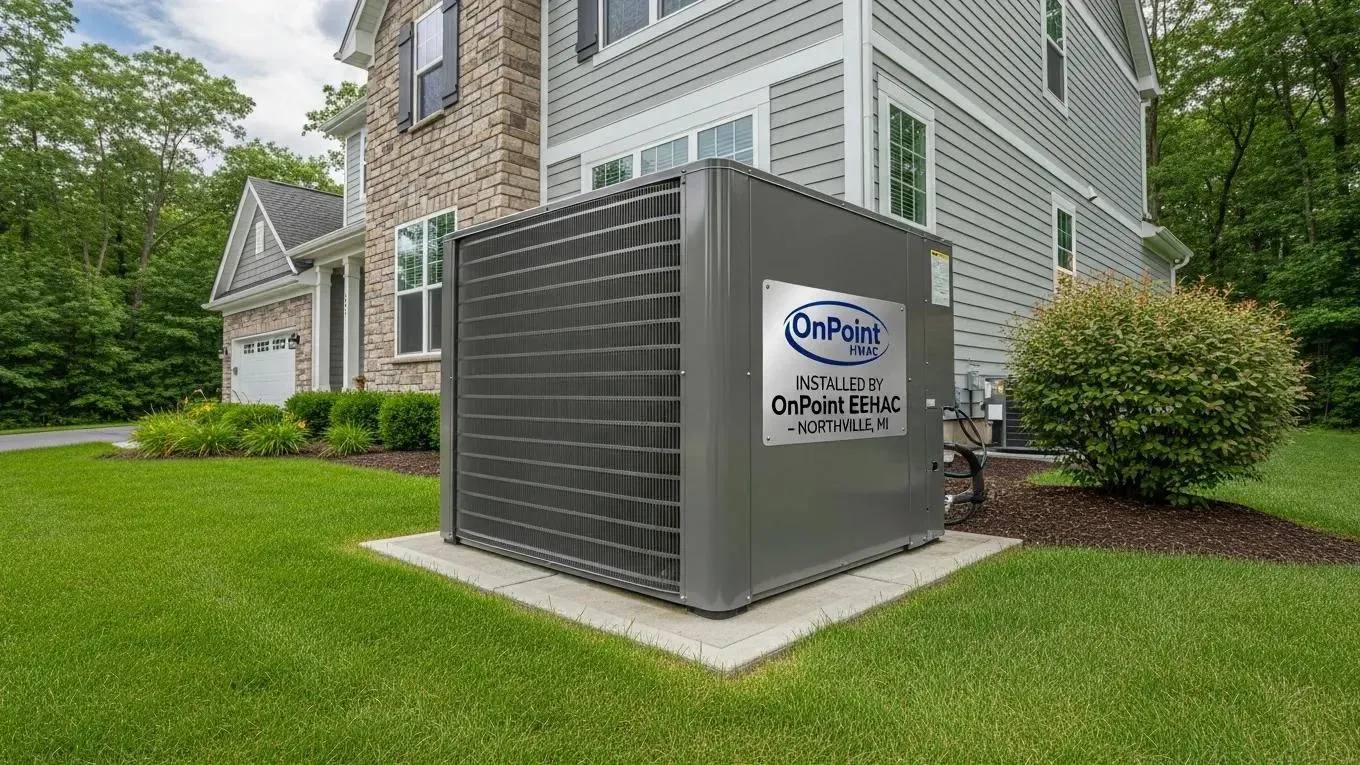
Energy‑efficient AC systems lower monthly utility bills by using less electricity to deliver the same or better comfort. Over time, that efficiency adds up to meaningful savings and a faster return on your investment. Efficient systems also shrink your home’s carbon footprint, which matters if you’re trying to reduce energy waste and environmental impact.
At OnPoint HVAC, we install high efficiency equipment that meets and often exceeds industry standards. Choosing a premium residential
air conditioner in Northville, MI means quieter operation, more consistent temperatures, and lower operating costs season after season.

How Do Energy‑Efficient AC Systems Reduce Home Energy Consumption?
Modern, efficient ACs use advanced compressors, variable‑speed blowers, and smarter controls to match cooling output to your home’s actual needs. A key technical measure is the SEER rating (Seasonal Energy Efficiency Ratio): higher SEERs indicate the unit converts electricity into cooling more efficiently, which typically lowers your energy use and utility bills.
That said, a unit’s lab-rated SEER only tells part of the story. Real‑world efficiency depends heavily on proper sizing and quality installation—poor ductwork, incorrect refrigerant charge, or improper airflow can reduce a system’s field performance regardless of its rating.
SEER Ratings, Installation Quality, and AC Energy Efficiency
SEER (Seasonal Energy Efficiency Ratio) is a lab‑based comparison tool used to rate similar cooling equipment: higher SEER models generally offer better energy efficiency on paper. However, equipment is built in parts and must be assembled and installed in the field. If ducts, connections, or installation practices don’t meet industry standards, the finished system will usually fall short of its laboratory potential. Overemphasizing SEER can lead to neglecting the training, testing, and inspection required to achieve real, in‑home efficiency. This summary draws on findings from Field Adjusted SEER [SEERFA], Residential Buildings: Technologies, Design, and Performance Analysis, 1998.
Beyond efficiency numbers, well‑designed systems keep indoor temperatures steady and improve airflow balance so every room feels comfortable without wasting energy.
Which Energy Efficiency Ratings Should Homeowners Consider?
When choosing an AC, look first at SEER. Current minimums start at SEER 14, but units rated SEER 16 and above are considered high‑efficiency and will generally lower operating costs more substantially over the system’s lifetime.
Also consider EER (Energy Efficiency Ratio) for steady‑state performance, and check for Energy Star certification, which shows a product meets EPA guidelines for efficiency.
How Does OnPoint HVAC Deliver Same‑Day AC Installation Services in Northville MI?
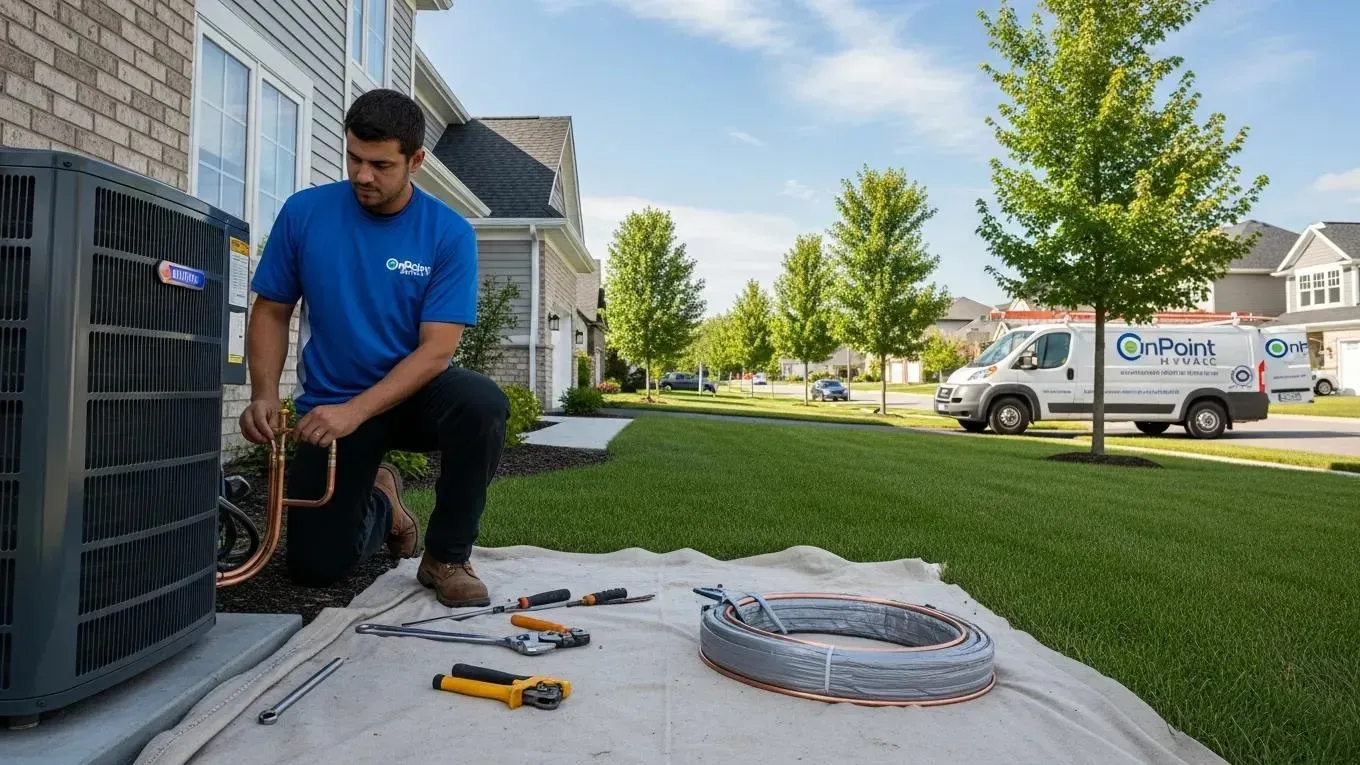
OnPoint HVAC offers same day air conditioner installation in Northville, MI installation by combining proactive scheduling, stocked equipment, and experienced crews. We start with a full home assessment including a load calculation to size the system correctly so it cools efficiently without short‑cycling.
From there, our technicians tailor the installation to your house: precision ductwork connections, correct refrigerant charge, tight seals, and electrical work done to code. Every new system is tested and balanced before we leave so it performs as promised.
What Is the Step‑by‑Step Process for Same‑Day Residential AC Installation?
The typical installation follows these steps:
- Initial Assessment: A technician inspects the home and performs a load calculation to determine the right system size.
- System Selection: We review options with you and select a unit that fits your comfort goals and budget.
- Installation: The team installs the unit, connects ductwork and electrical, and completes any required modifications.
- Testing: We run performance and safety checks, verify airflow, and confirm correct refrigerant levels.
- Post‑Installation Support: You’ll get a walkthrough of system operation, maintenance tips, and contact information for future service.
This structured approach helps ensure a reliable, efficient installation you can depend on.
What Licensed Technician Credentials Ensure Quality Installation?
Proper installation starts with qualified technicians. Look for licensed HVAC professionals who understand local building codes and safety requirements and who complete ACCA‑level load calculations. Certifications like NATE (North American Technician Excellence) indicate hands‑on expertise and ongoing training.
For comprehensive HVAC services, choose teams that carry liability insurance, background‑checked technicians, and clear warranty policies. That combination protects your investment and ensures systems run efficiently for years.
What Are the Key Features of Central Air Conditioning Installation Services in Northville MI?
Central air installation in Northville, MI includes:
- High‑Efficiency Systems: Energy‑smart units that reduce utility costs and improve comfort.
- Custom Design: Solutions sized and configured for your home’s layout and needs.
- Customer Support Options: Maintenance plans, emergency service, and responsive local support.
These elements combine to deliver dependable cooling and long‑term value.
How Is Central Air Installation Customized for Residential Comfort?
Customization begins with a detailed assessment of home size, insulation, window exposure, and existing ductwork. Technicians use that data to pick equipment and configure ducts so airflow and temperatures are balanced throughout the house.
Precision work—tight duct seals, correct fan speeds, and calibrated thermostats—reduces energy loss and helps the system run quietly and efficiently, keeping every room comfortable year‑round.
What Technical Specifications Define Premium Central Air Systems?
Premium central air systems stand out for a few technical reasons:
- Efficiency Ratings: Higher SEER and EER numbers deliver lower operating costs.
- System Capacities: Right‑sized compressors and coils ensure effective cooling without unnecessary strain.
- Advanced Features: Variable‑speed compressors, smart thermostats, and zoning options for finer control and added savings.
These specifications improve performance, reliability, and comfort—making premium systems a smart long‑term investment.
What Are the Pricing and Financing Options for Residential AC Installation in Northville MI?
Installation costs vary by home size and system features; typical residential installs range from $3,500 to $8,500. Exact pricing depends on system capacity, ductwork condition, and any electrical upgrades required.
To confirm your home’s readiness for a new AC, consider our electrical services for panel or wiring upgrades. We also offer financing options—low‑interest loans, flexible payment plans, and available rebates for qualifying high‑efficiency systems—to make upgrades more affordable.
Financing options at a glance:
| Financing Option | Description | Benefits |
|---|---|---|
| Low‑Interest Loans | Financing that spreads the system cost over time at competitive rates | Lower monthly payments and predictable budgeting |
| Payment Plans | Flexible payment schedules tailored to your needs | Manageable cash flow without a large upfront expense |
| Energy‑Efficient Rebates | Manufacturer, utility, or government incentives for qualifying units | Reduced upfront cost and faster payback |
| Heat Pump Repairs | Repairing and maintaining heat pump systems | Varies |
FREQUENTLY ASKED QUESTIONS
What maintenance is required for energy-efficient AC systems?
To ensure optimal performance and longevity of energy-efficient AC systems, regular maintenance is essential. Homeowners should schedule annual professional inspections, which typically include cleaning or replacing filters, checking refrigerant levels, and inspecting electrical components. Additionally, homeowners can perform simple tasks like keeping the outdoor unit clear of debris and ensuring vents are unobstructed. Regular maintenance not only enhances efficiency but also helps prevent costly repairs and extends the lifespan of the system.
How can I improve the efficiency of my existing AC system?
Improving the efficiency of an existing AC system can be achieved through several strategies. Start by ensuring that your home is well-insulated to prevent cool air from escaping. Regularly clean or replace air filters to maintain airflow. Consider using programmable thermostats to optimize cooling schedules based on occupancy. Additionally, sealing ductwork and addressing any leaks can significantly enhance system performance. If your system is older, consulting with a professional about potential upgrades or replacements may also be beneficial.
What should I look for in an AC warranty?
When evaluating an AC warranty, consider the coverage duration and what components are included. A comprehensive warranty should cover major parts like the compressor, evaporator coil, and labor costs for repairs. Look for warranties that offer extended coverage options, as well as those that include provisions for regular maintenance. Understanding the warranty terms, including any limitations or exclusions, is crucial to ensure you are adequately protected against unexpected repair costs.
Are there any tax credits or incentives for installing energy-efficient AC systems?
Yes, homeowners may be eligible for tax credits or incentives when installing energy-efficient AC systems. The federal government, as well as many state and local programs, offer rebates or tax credits for qualifying high-efficiency HVAC systems. To take advantage of these incentives, ensure that the system meets specific energy efficiency standards, such as those set by Energy Star. It’s advisable to check with local utility companies or tax professionals for the most current information on available incentives.
How do I choose the right size AC unit for my home?
Choosing the right size AC unit is crucial for efficiency and comfort. An undersized unit will struggle to cool your home, while an oversized unit can lead to short cycling and increased energy costs. To determine the appropriate size, a professional technician will perform a load calculation, considering factors like home size, insulation, window orientation, and local climate. This assessment ensures that the selected unit meets your cooling needs without wasting energy.
What are the signs that my AC system needs to be replaced?
Several signs indicate that your AC system may need replacement. Frequent breakdowns, rising energy bills, and inconsistent cooling are common indicators. Additionally, if your system is over 10-15 years old and requires costly repairs, it may be more economical to invest in a new unit. Unusual noises, poor airflow, and the presence of refrigerant leaks are also red flags. Consulting with a professional can help assess the situation and determine the best course of action.
What is the average lifespan of a residential AC system?
The average lifespan of a residential AC system typically ranges from 10 to 15 years, depending on factors such as usage, maintenance, and the quality of the installation. Regular maintenance can extend the life of your system, while neglecting it can lead to premature failure. If your AC is approaching the end of its expected lifespan and showing signs of inefficiency or frequent repairs, it may be time to consider a replacement to ensure reliable cooling for your home.
Related Resources
- Understanding AC Installation Warranties for Northville Homeowners
- How Long Does AC Installation Take? A Northville Homeowner's Timeline
- 5 Common AC Installation Problems in Northville and How to Avoid Them
- Repair or Replace: How to Decide if Your Northville AC System Needs an Upgrade
- How to Choose the Right AC Installation Service in Northville: Licensed, Energy-Efficient Solutions
- AC Installation Costs in Northville, MI — What Homeowners Should Expect
- Need a New Air Conditioner in Northville? How to Spot AC Failure and Decide When to Replace
AREAS WE SERVE
- BERKLEY
- BIRMINGHAM
- CANTON
- FARMINGTON
- FARMINGTON HILLS
- FERNDALE
- FRANKLIN
- LIVONIA
- NORTHVILLE
- NOVI
- PLYMOUTH
- REDFORD
- ROYAL OAK
- SOUTHFIELD