Top 5 HVAC Issues in Livonia: Solutions for Homeowners

George Petrentzev • May 15, 2026

Top 5 HVAC Issues in Livonia

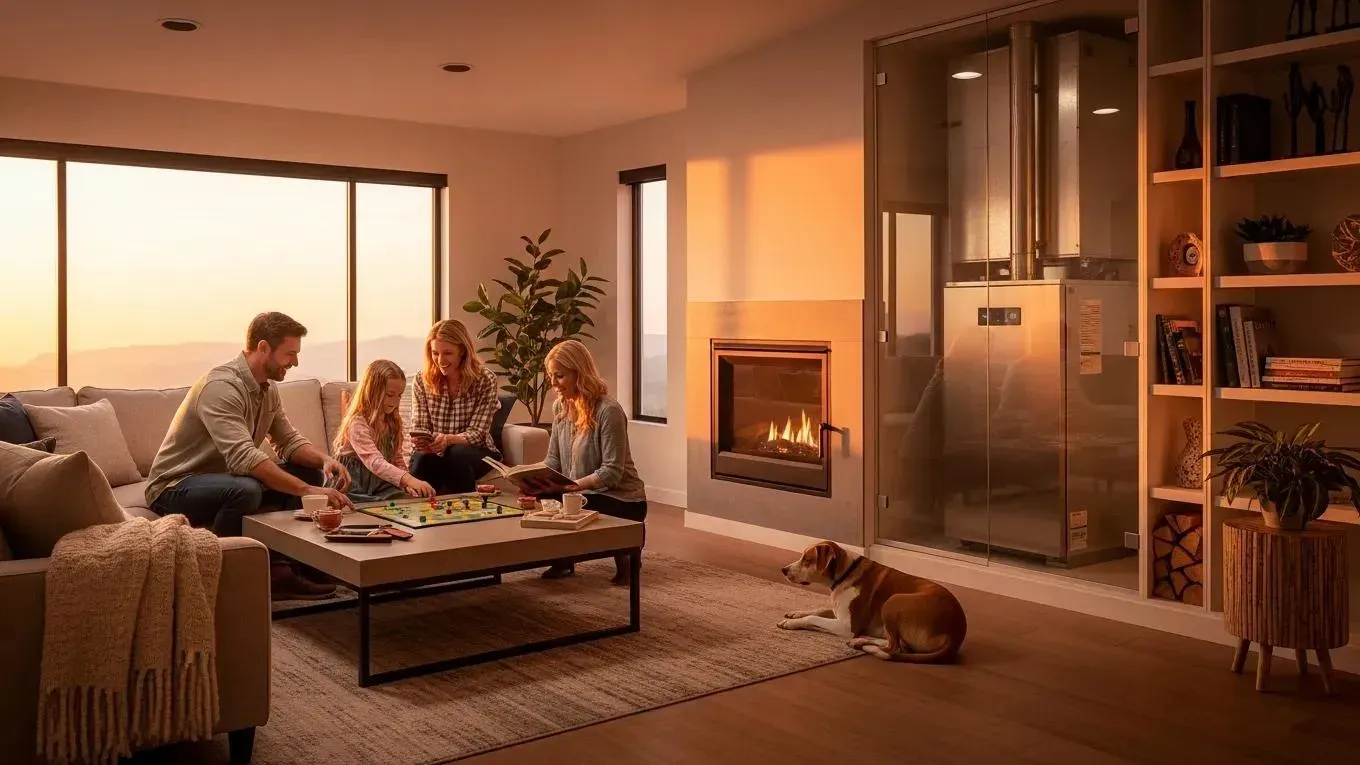
Cozy living room with a modern HVAC system highlighting home comfort and efficiency

By George Petrentzev, OnPoint HVAC


Homeowners in Livonia often face a variety of HVAC issues that can disrupt comfort and efficiency in their homes. Understanding these common problems and their solutions is essential for maintaining a comfortable living environment. This article explores the top five HVAC issues, including furnace malfunctions and air conditioning troubles, while providing practical solutions and troubleshooting tips. By addressing these concerns proactively, homeowners can avoid costly repairs and ensure their systems operate efficiently. We will cover common causes of heating failures, mechanical failures affecting furnaces, troubleshooting steps for heating systems, air conditioner malfunctions, and best practices for HVAC maintenance.


1. Furnace Not Heating Properly

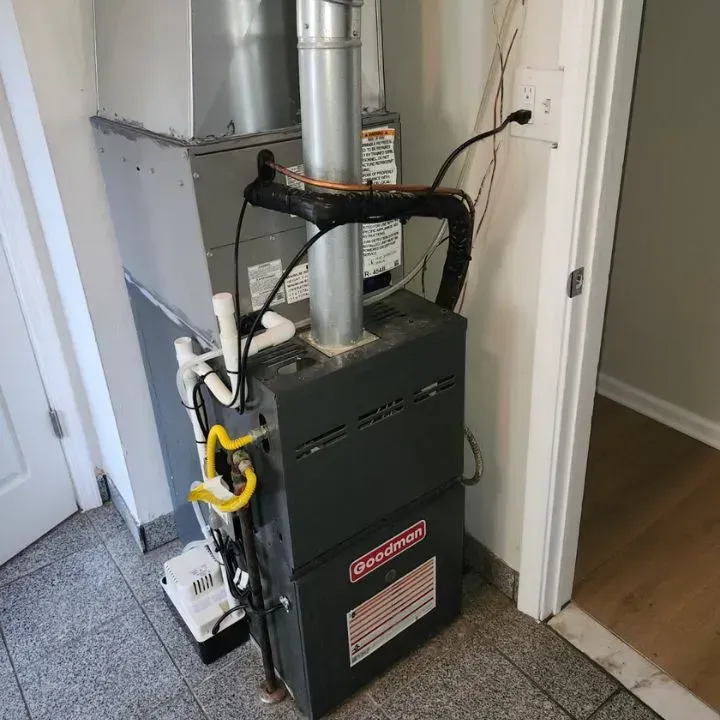
Black furnace with silver vent pipes in a hallway beside a white wall and open doorway


A furnace that fails to heat is a common issue that can leave homeowners feeling uncomfortable during cold months. Understanding the causes and diagnostic steps can help identify the problem quickly. The primary reasons for heating failure often include issues with the thermostat, power supply, or internal components of the furnace. By diagnosing these issues early, homeowners can take appropriate action to restore heat effectively.


Common Causes


Several factors can lead to a furnace not heating properly. These include:


  1. Thermostat Issues: Incorrect settings or a malfunctioning thermostat can prevent the furnace from turning on.
  2. Power Supply Problems: A tripped circuit breaker or blown fuse can cut off power to the furnace.
  3. Short Cycling: This occurs when the furnace turns on and off frequently, often due to overheating or a faulty thermostat.
  4. Unusual Noises: Sounds like banging or rattling can indicate mechanical issues that need attention.


Diagnostic Steps


Homeowners can perform several diagnostic steps to determine why their furnace is not heating:


  1. Check Thermostat Settings: Ensure the thermostat is set to "heat" and the desired temperature is higher than the current room temperature.
  2. Inspect Power Supply: Verify that the furnace is receiving power by checking the circuit breaker and ensuring it hasn't tripped.
  3. Examine Air Filters: Clogged filters can restrict airflow, causing the furnace to overheat and shut down.
  4. Look for Error Codes: Many modern furnaces have diagnostic lights that can indicate specific issues based on their blinking patterns.


These steps can help homeowners pinpoint the issue before calling for professional assistance.


Homeowner HVAC Maintenance & Troubleshooting Guide

However, efficient heating systems require periodic maintenance, much of it easily done by the knowledgeable homeowner (see "Heating and Cooling Maintenance").

The Home Owner's Manual: Operating Instructions, Troubleshooting Tips, and Advice on System Maintenance, 2014


Potential Solutions


Once the cause of the heating failure is identified, homeowners can take several actions:


  1. Reset Circuit Breakers: If the circuit breaker has tripped, resetting it may restore power to the furnace.
  2. Replace Filters: Regularly changing air filters can prevent airflow issues and improve efficiency.
  3. Call a Professional: If the problem persists after troubleshooting, contacting a professional HVAC technician is advisable to avoid further damage.


By following these solutions, homeowners can effectively address heating issues and restore comfort in their homes.


2. Mechanical Failures Affecting Furnaces


Mechanical failures in furnaces can lead to significant heating issues and discomfort. Understanding these failures can help homeowners take preventive measures and recognize when to seek professional help. Common mechanical failures include issues with the blower motor, ignition system, and heat exchanger.


3. Air Conditioner Blowing Warm Air or Malfunctioning

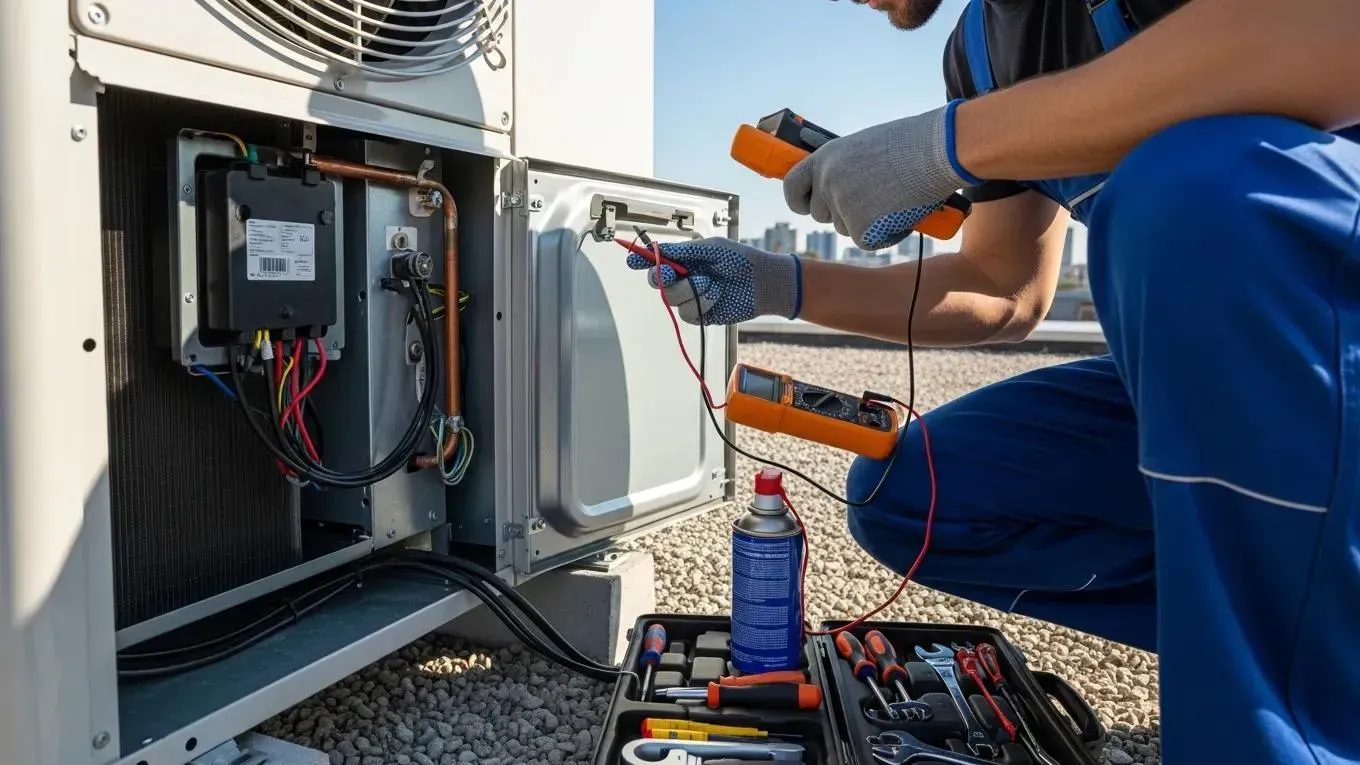
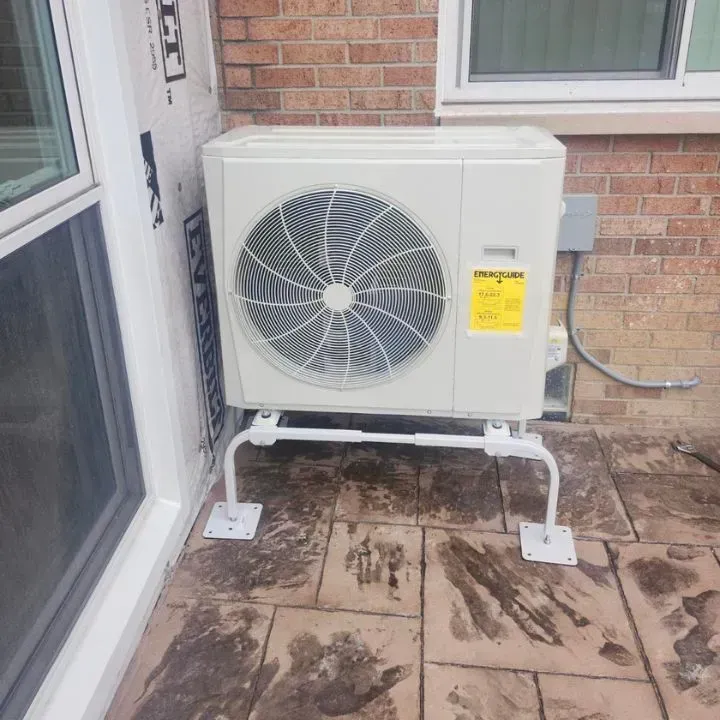
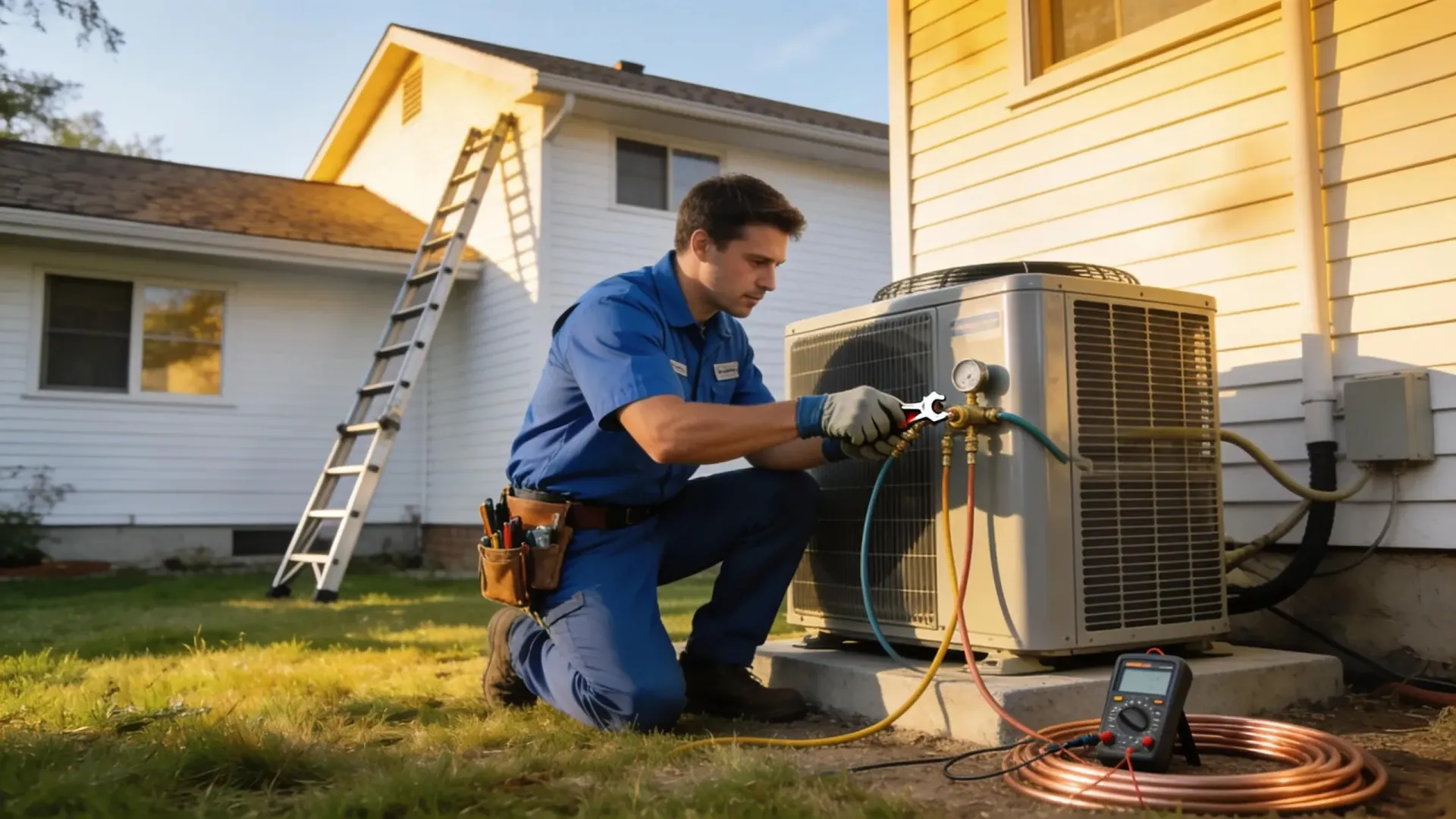
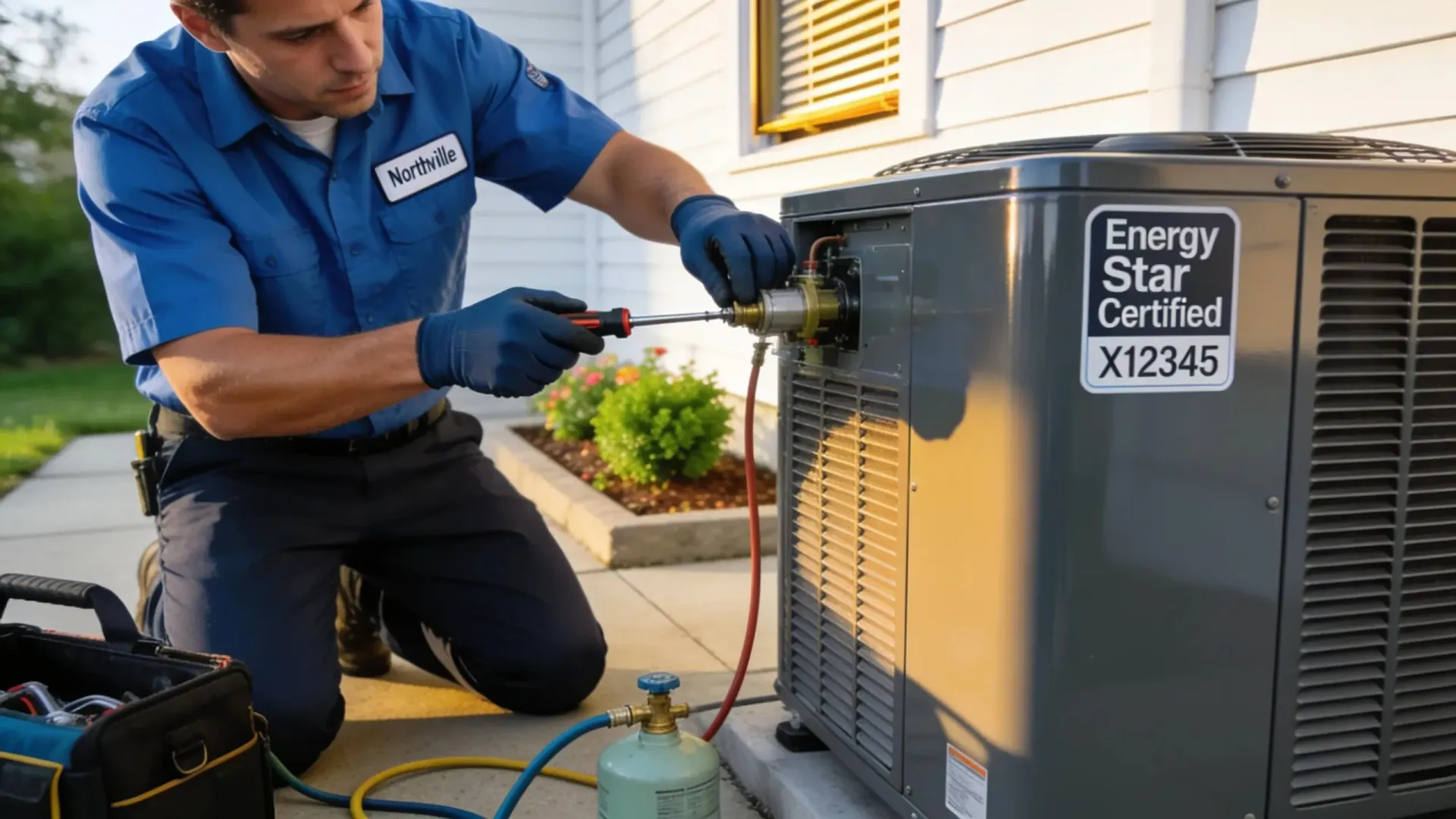
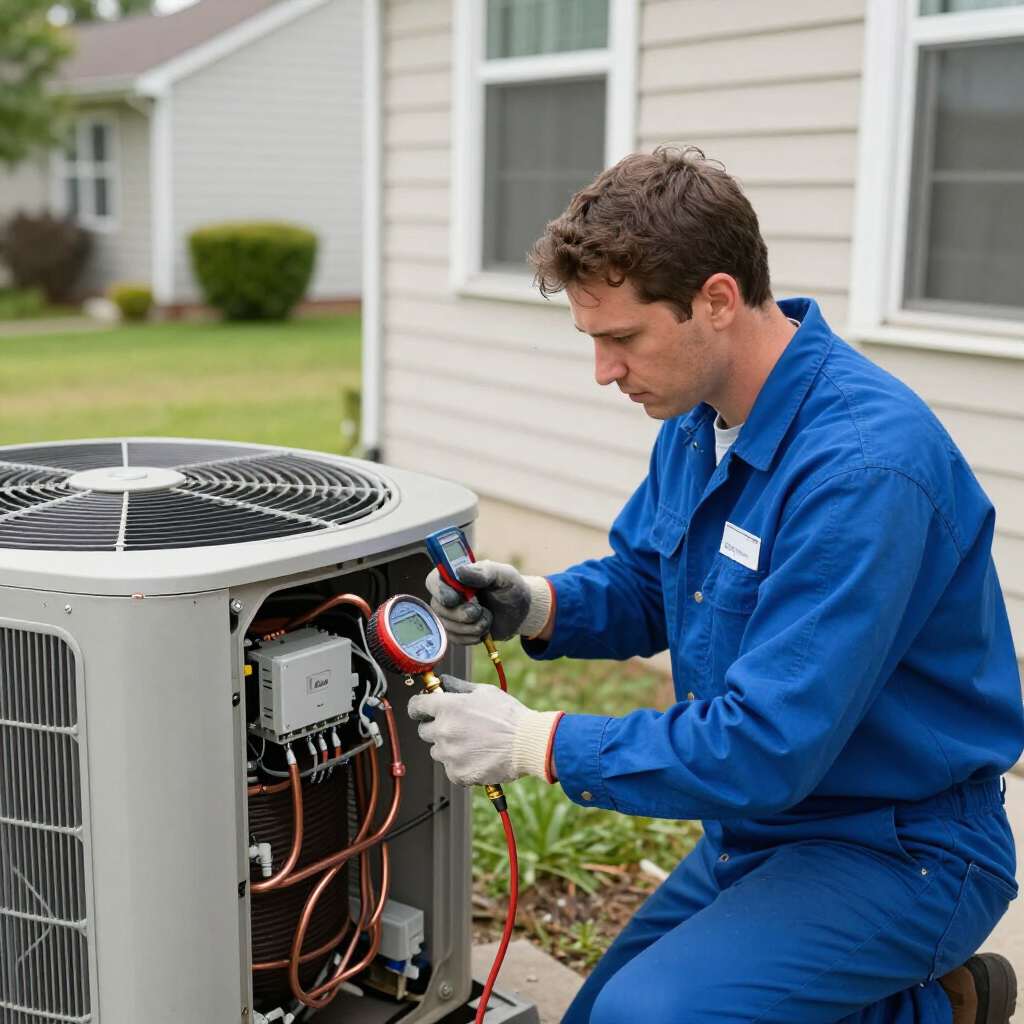
Technician servicing an air conditioning unit to address malfunctions and ensure efficiency

Air conditioning systems can also encounter various issues that affect their performance. Common malfunctions include inadequate cooling, strange noises, and water leaks. Understanding these problems can help homeowners take appropriate action to maintain their comfort during hot summer months.


Typical Repair Needs and Symptoms


Air conditioners may require repairs due to several symptoms, including:


  1. Inadequate Cooling: If the air conditioner is running but not cooling effectively, it may indicate a refrigerant leak or a malfunctioning compressor.
  2. Strange Noises: Unusual sounds can signal mechanical issues, such as a failing fan or motor.
  3. Water Leaks: Excess moisture around the unit can indicate a clogged drain line or a refrigerant leak.


Recognizing these symptoms early can prevent more extensive damage and costly repairs.


When to Schedule Professional Repair


Homeowners should consider scheduling professional air conditioner repair services when they notice persistent issues that cannot be resolved through basic troubleshooting. Signs that indicate the need for professional help include:


  1. Frequent Breakdowns: If the air conditioner requires frequent repairs, it may be time to consider replacement.
  2. Rising Energy Bills: A sudden increase in energy costs can indicate inefficiency due to mechanical issues.
  3. Age of the Unit: Older units may require more frequent repairs and may not be worth the investment.


By addressing these signs promptly, homeowners can ensure their air conditioning systems remain efficient and reliable.


4. Lack of Regular HVAC Maintenance


Regular maintenance is crucial for ensuring the longevity and efficiency of HVAC systems. Homeowners should follow best practices to keep their systems running smoothly. This includes scheduling annual inspections, changing filters regularly, and cleaning ducts to prevent buildup.


Inspection and Service Frequency


HVAC systems should be inspected and serviced at least once a year, ideally before the heating and cooling seasons. Regular inspections can identify potential issues before they become significant problems, ensuring optimal performance and efficiency.


5. HVAC Emergencies Requiring Immediate Attention


In the event of an HVAC emergency, homeowners need to know how to obtain repair services quickly. Emergency situations can include complete system failures, gas leaks, or significant water damage. Knowing the steps to take can help minimize damage and restore comfort promptly.


What Constitutes an HVAC Emergency?


An HVAC emergency typically includes situations such as:


  1. Gas Leaks: Any indication of a gas leak requires immediate professional intervention for safety.
  2. Complete System Failure: If the heating or cooling system stops working entirely, it can lead to uncomfortable living conditions.
  3. Water Damage: Significant leaks or flooding from HVAC systems can cause extensive damage to the home.


Recognizing these emergencies is crucial for ensuring timely repairs.


Emergency Furnace Repair Scheduling


Emergency furnace repairs can often be scheduled within 24-48 hours, depending on the availability of technicians and the severity of the issue. Homeowners should contact their HVAC service provider immediately to assess the situation and schedule repairs.


Additional Insights: Heating System Inspection and Longevity


Regular heating system inspections are essential for preventing future failures. These inspections can identify potential issues before they escalate, ensuring that the system operates efficiently and safely.


Critical Inspection Points


During a heating system inspection, technicians typically check several critical points, including:


  1. Thermostat Calibration: Ensuring the thermostat is functioning correctly.
  2. Heat Exchanger: Checking for cracks or corrosion that could lead to dangerous gas leaks.
  3. Blower Motor: Inspecting the motor for wear and ensuring it operates smoothly.


These inspection points are vital for maintaining system safety and efficiency.


Gas Boiler Heat Exchanger Crack Analysis
Primary heat exchanger cracks in gas wall-mounted boilers are a significant issue. Understanding the root causes of cracking in the heat exchanger of gas wall-mounted boilers is crucial for identifying the causes of these cracks.
Root cause analysis of a cracked primary heat exchanger in a gas wall-mounted boiler, 2023

Benefits of Regular Inspection


Regular inspections can significantly improve the longevity and efficiency of HVAC systems. By identifying and addressing issues early, homeowners can avoid costly repairs and extend the lifespan of their equipment. Additionally, well-maintained systems operate more efficiently, leading to lower energy bills and improved comfort.


To ensure your plumbing systems are functioning correctly, consider scheduling an inspection with OnPoint HVAC's plumbing services. Regular maintenance can prevent costly repairs and ensure the longevity of your plumbing infrastructure.
Recent Posts

Modern HVAC system installation with a technician ensuring optimal performance in a residential sett
By George Petrentzev May 10, 2026
OnPoint HVAC proudly stands as the leader in engineered residential comfort solutions, providing exceptional service that enhances home living and efficiency.
Two men talking beside a house’s outdoor air conditioner unit on a sunny day
By George Petrentzev April 30, 2026
How to Choose an HVAC Contractor in Metro Detroit: 7 Questions to Ask
Two outdoor HVAC units beside a house, next to siding, stone, and a grass lawn.
By George Petrentzev April 28, 2026
What Is a Manual J Load Calculation (And Why It Matters for Your Metro Detroit Home)?
Technician kneels by an open furnace, using tools in a basement utility room.
By George Petrentzev April 23, 2026
HVAC Repair or Replace? How Metro Detroit Homeowners Should Decide
Family reading by a cozy fireplace in a warmly lit living room, with children gathered on rugs and s
By George Petrentzev April 19, 2026
Michigan furnaces last 15-20 years due to high run hours & humidity. Learn warning signs & when to replace. Free assessment from OnPoint HVAC Metro Detroit.
HVAC technician installing a modern heating and cooling system in a residential home
By George Petrentzev March 18, 2026
Learn essential insights on HVAC installation expenses in Metro Detroit. Understand costs, factors influencing pricing, and budget effectively for your project.
Modern air conditioning unit and ductless mini-split in a bright living room, illustrating home cool
By George Petrentzev March 17, 2026
Stay cool at home with the best AC and mini-split solutions. Learn about efficient cooling options and find the perfect fit for every space today!
Open manual for AC installation on a desk, showing diagrams of unit setup alongside various tools like wrenches and tape.
By George Petrentzev March 14, 2026
Looking for affordable AC installation services? This professional guide details costs, replacement options, and tips for seamless installation of new units.
A family relaxes by a pellet stove in a living room with snowy views outside; some play a game while others read and sit.
By George Petrentzev March 13, 2026
Meta Description: "Michigan homeowners gain expert insights on whether to repair or replace their furnace. Make informed decisions for a cozy home this winter.
Four grey outdoor air conditioning units sit on a gravel bed next to a building with beige siding and stone accents.
By George Petrentzev March 13, 2026
Professional AC installation options in Livonia, MI, offer homeowners comfort and efficiency. Learn key insights to make the best choice for your cooling needs.
Show More