Spotting early warning signs helps you act before a small problem becomes a major headache. A failing AC can mean weak cooling, high electric bills, and uncomfortable indoor temperatures. Pay attention to unusual noises, shrinking cooling power, visible leaks, and any change in how the system behaves. Catching issues early saves time, money, and stress when the heat hits.
How declining cooling performance points to AC trouble
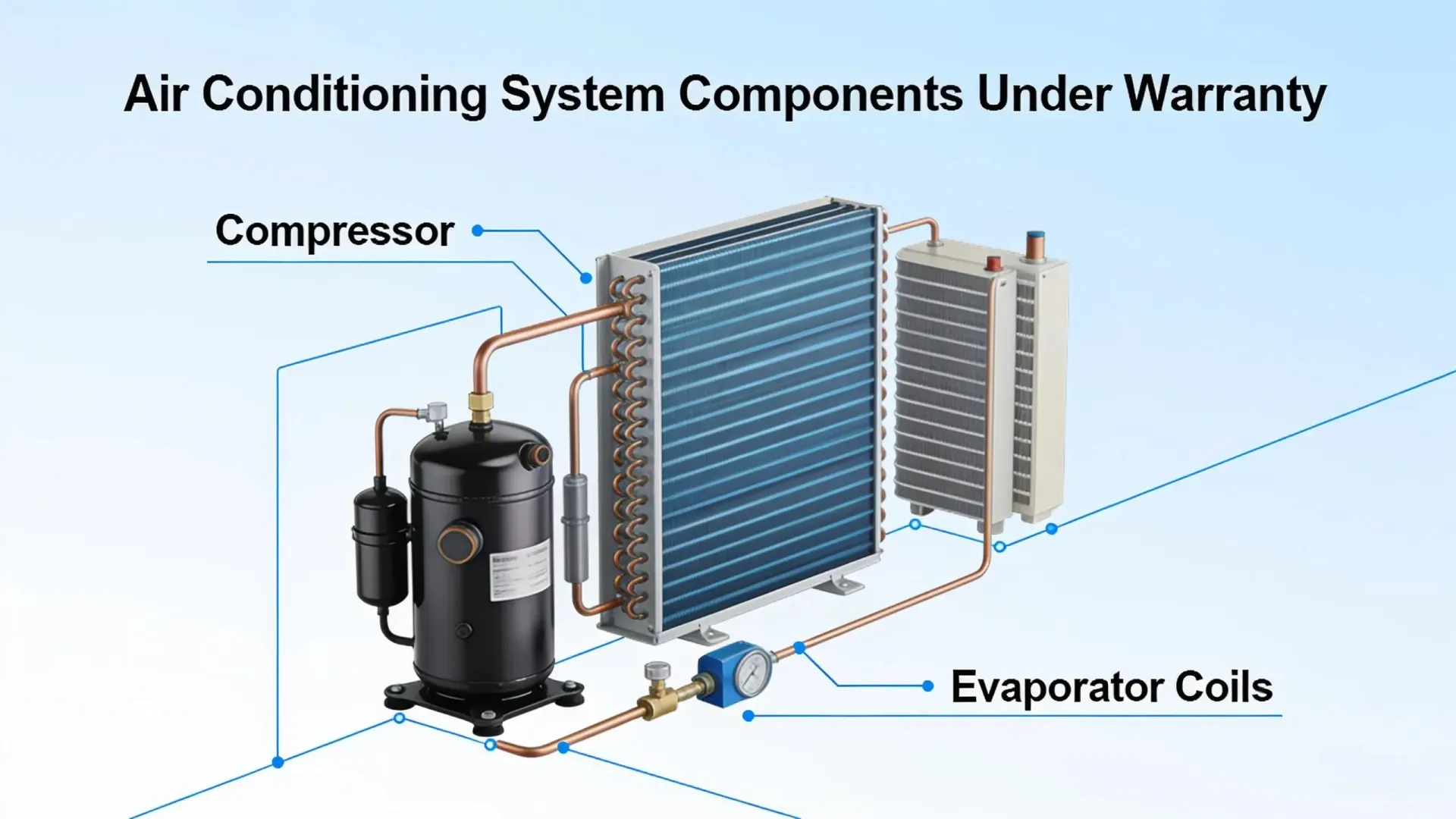
A drop in cooling performance is often the first clue something’s wrong. If the system can’t keep up with the thermostat setting or some rooms stay warm while others stay cool, it could be a weak compressor, low refrigerant, or airflow problems from leaky ducts or a clogged filter. Left unchecked, reduced efficiency forces the system to work harder and can lead to bigger failures — so treat persistent cooling problems as a sign to act.
Which noises and leaks should make you worry?
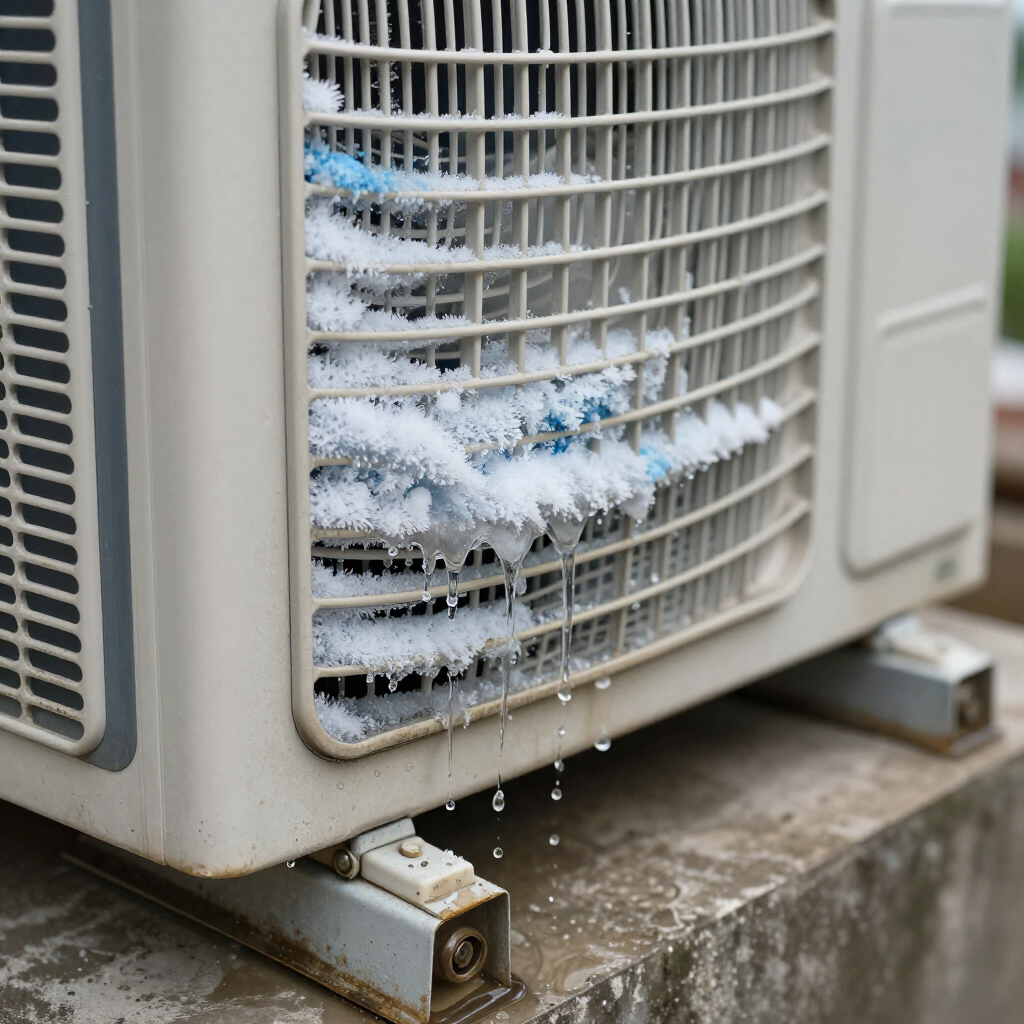
Strange sounds and leaks are red flags. Grinding, banging, or hissing noises often indicate mechanical wear or a failing compressor, while water or refrigerant leaks point to drainage or refrigerant system issues. Leaks can also cause mold or structural damage if ignored. If you notice these symptoms, schedule a professional inspection right away to identify the root cause and prevent further damage.
When to replace an HVAC unit: data and industry standards for homeowners
Deciding when to replace your AC depends on age, repair history, and how well it cools your home. Typical HVAC lifespans range broadly, but systems that are 15–20 years old (or those needing frequent major repairs) should be evaluated for replacement. Often, constant breakdowns and falling efficiency make a new, energy-efficient unit a smarter long-term choice than continuing to repair an aging system.
Average lifespan of air conditioning units — what to expect
Central air conditioners usually last anywhere from about 10 to 15 years, depending on maintenance, climate, and installation quality. Regular tune-ups and proper care can stretch that life, but even well-maintained units eventually lose efficiency and reliability. When your unit nears the end of its expected life, start planning for replacement so you’re not left without cooling during peak summer.
How efficiency ratings affect replacement timing
Efficiency ratings like SEER matter when deciding whether to replace your AC. Newer models offer higher SEER values and use less energy for the same cooling output, which can lower monthly bills and improve comfort. If your existing unit has a low SEER rating, a newer model can pay back the upfront cost over time through energy savings — another reason to consider replacement beyond just repair frequency.
Troubleshooting common AC issues before you replace
Before you buy a new unit, try a few basic checks that often resolve common problems. Many homeowners avoid replacement by handling simple maintenance or minor repairs. The steps below can reveal whether a
repair or a replacement makes the most sense.
Simple troubleshooting tips for cooling and efficiency problems
Try these quick checks to diagnose common issues:
- Check the thermostat: Make sure it’s set correctly, using the right mode and temperature, and that batteries or power are working.
- Inspect air filters: Replace dirty or clogged filters — clean airflow often restores performance.
- Look at the circuit breaker: Reset any tripped breakers or blown fuses that could interrupt power to the system.
These steps resolve many everyday problems and can help you decide whether a service call or a replacement is needed.
When repair costs outweigh replacement
At some point repairs stop being cost-effective. A common rule of thumb is the 50% guideline: if repairs will cost more than half the price of a new system, replacement is often the better investment. Also consider repair frequency and whether fixes involve major components like the compressor. If so, a new, reliable system usually makes more sense. For professional help and honest advice, contact
OnPoint HVAC.
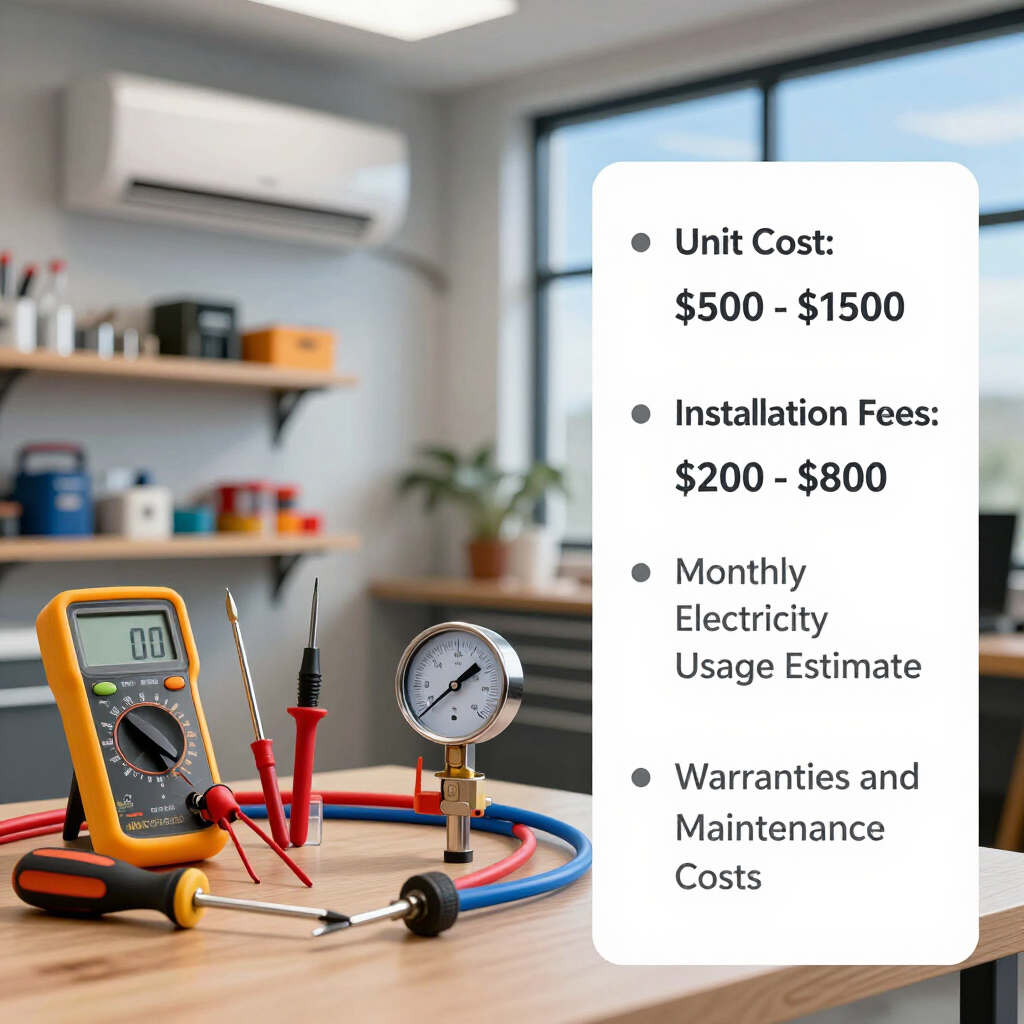
Cost factors and considerations for a new air conditioner installation