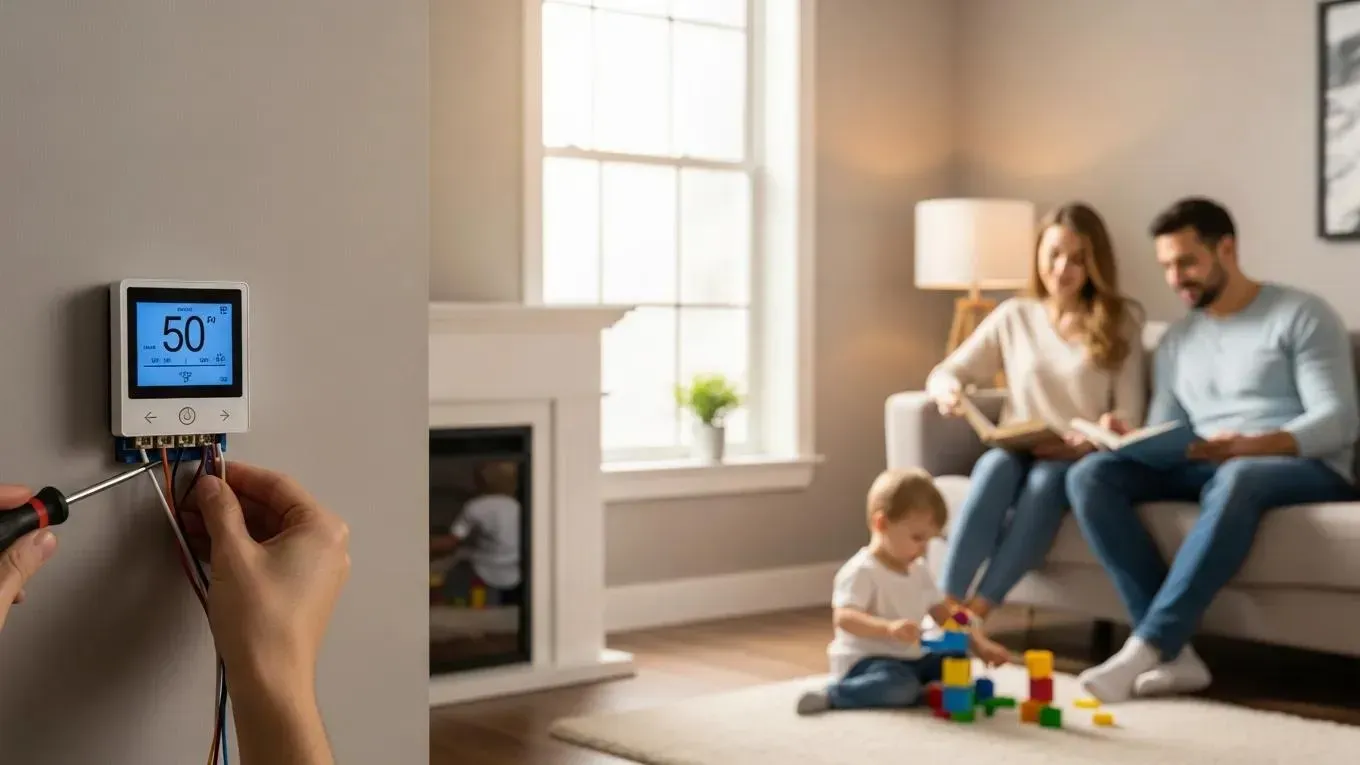
Install the thermostat on an interior wall about 5 feet off the floor, in a central spot away from direct sunlight, drafts, windows, and heat sources. That placement gives the thermostat a true read of the home’s average temperature and helps the
HVAC system cycle correctly.
Common Errors in Thermostat Wiring and Calibration
Mistakes in wiring or calibration prevent the system from responding correctly. Incorrect connections can cause short cycling, no cooling, or heating when you expect cooling. Follow the thermostat manual for wiring, and have a technician verify calibration if you see inconsistent performance.
What Electrical Connection Errors Occur During AC Unit Setup and How Can They Be Prevented?
Electrical problems during installation can create safety hazards and lead to unreliable operation. Knowing the common mistakes and how to avoid them is essential. For electrical work, always consult a qualified professional certified in
electrical services.
Ensuring Compliance with Safety and Wiring Standards
Incorrect wiring patterns, loose connections, or failure to meet local electrical codes can result in unsafe conditions and equipment damage. Homeowners should require that installations follow local codes and industry safety standards. When in doubt, bring in a licensed electrician or certified HVAC technician to verify the work.
The Role of Certified HVAC Technicians in Preventing Electrical Faults
Certified technicians reduce the risk of electrical errors because they’re trained to wire systems correctly and spot potential hazards. Regular professional inspections and maintenance can catch issues early and prevent costly or dangerous failures.
Why Is Accurate System Sizing Crucial for Efficient AC Installation?
Choosing the right-sized system is critical for efficiency, comfort, and equipment longevity. A mismatch between the unit and the home causes performance problems.
Consequences of Poor System Compatibility
An oversized unit will short-cycle, running in short bursts that stress components and reduce dehumidification. An undersized unit will run continuously and still fail to reach a comfortable temperature. Consider your home's square footage, insulation, window exposure, and local climate when selecting equipment to ensure compatibility.
Best Practices for Assessing HVAC Load Requirements
Use established methods like a Manual J load calculation to size equipment properly. This assessment factors in room sizes, insulation, window areas, and other variables. Working with professionals to perform load calculations avoids common missteps and helps select a system that will perform efficiently.
Professional installation ensures correct sizing and adherence to best practices, delivering reliable, efficient AC performance. For residents seeking trusted ac installation livonia mi services, engaging experienced local HVAC experts ensures quality results tailored to your home's needs.
What Are the Proven Strategies to Prevent Common AC Installation Issues?
Avoiding common installation mistakes comes down to good planning, the right professionals, and regular upkeep.
Benefits of Professional HVAC Installation Services for Homeowners
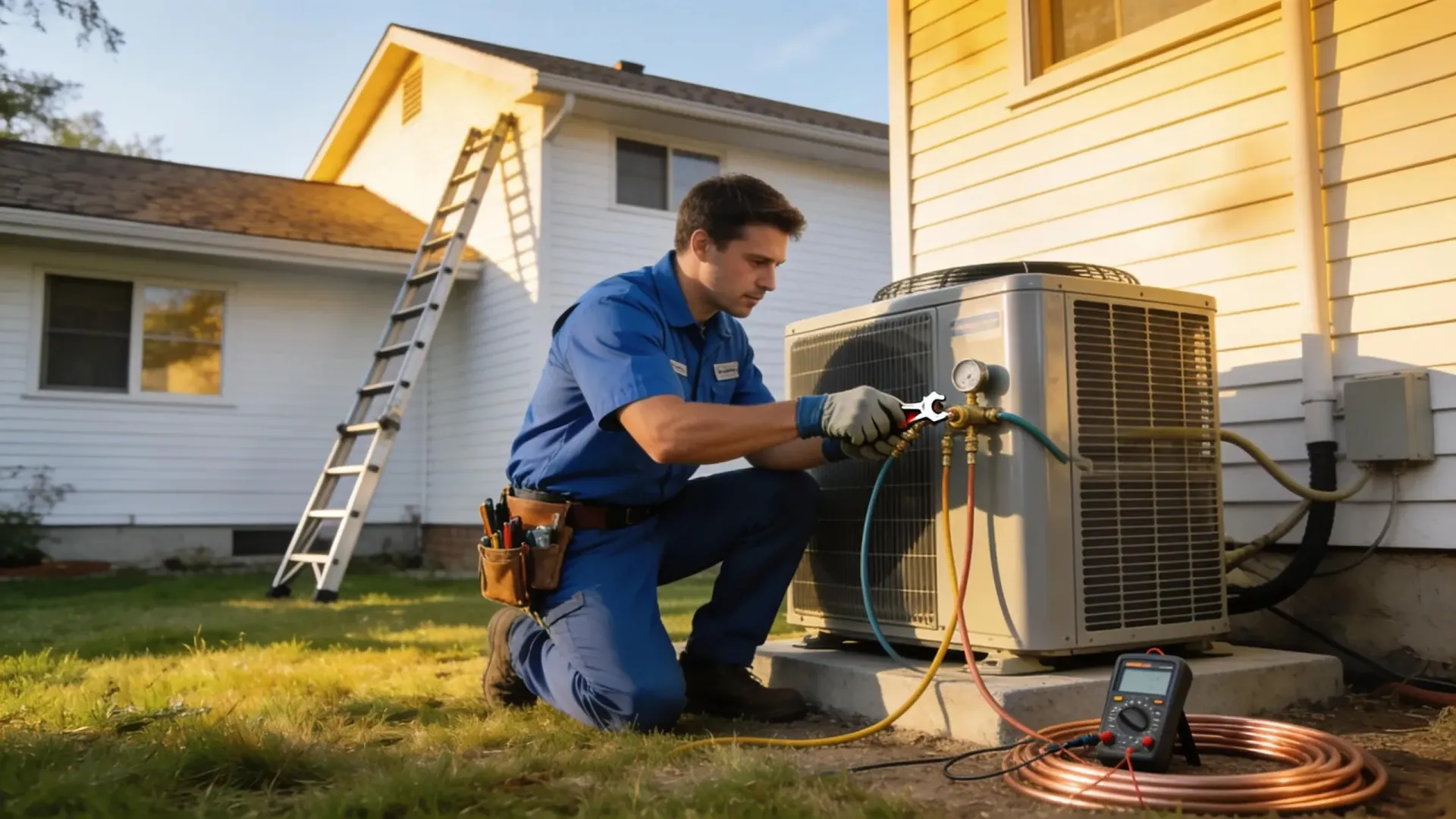
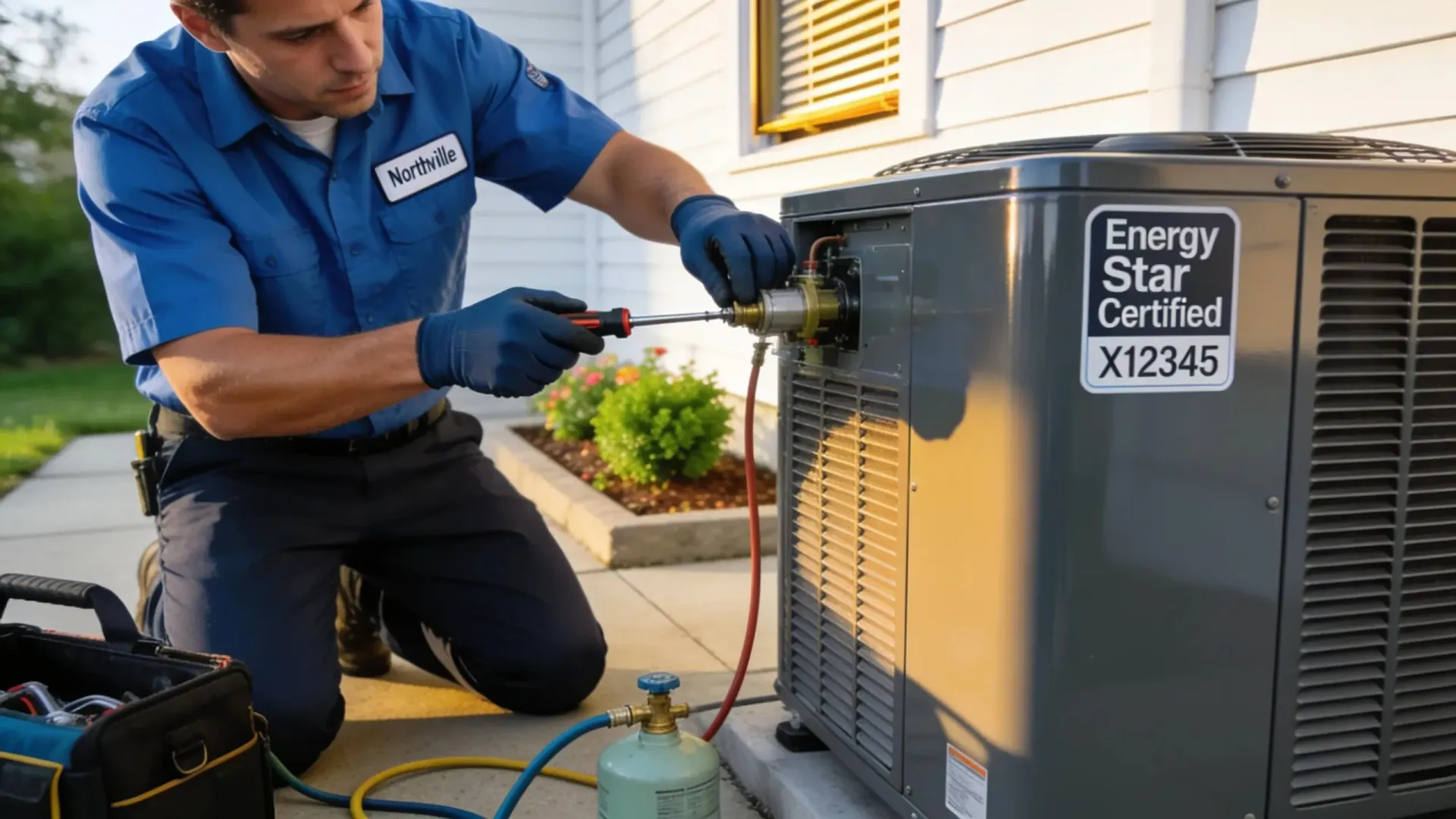
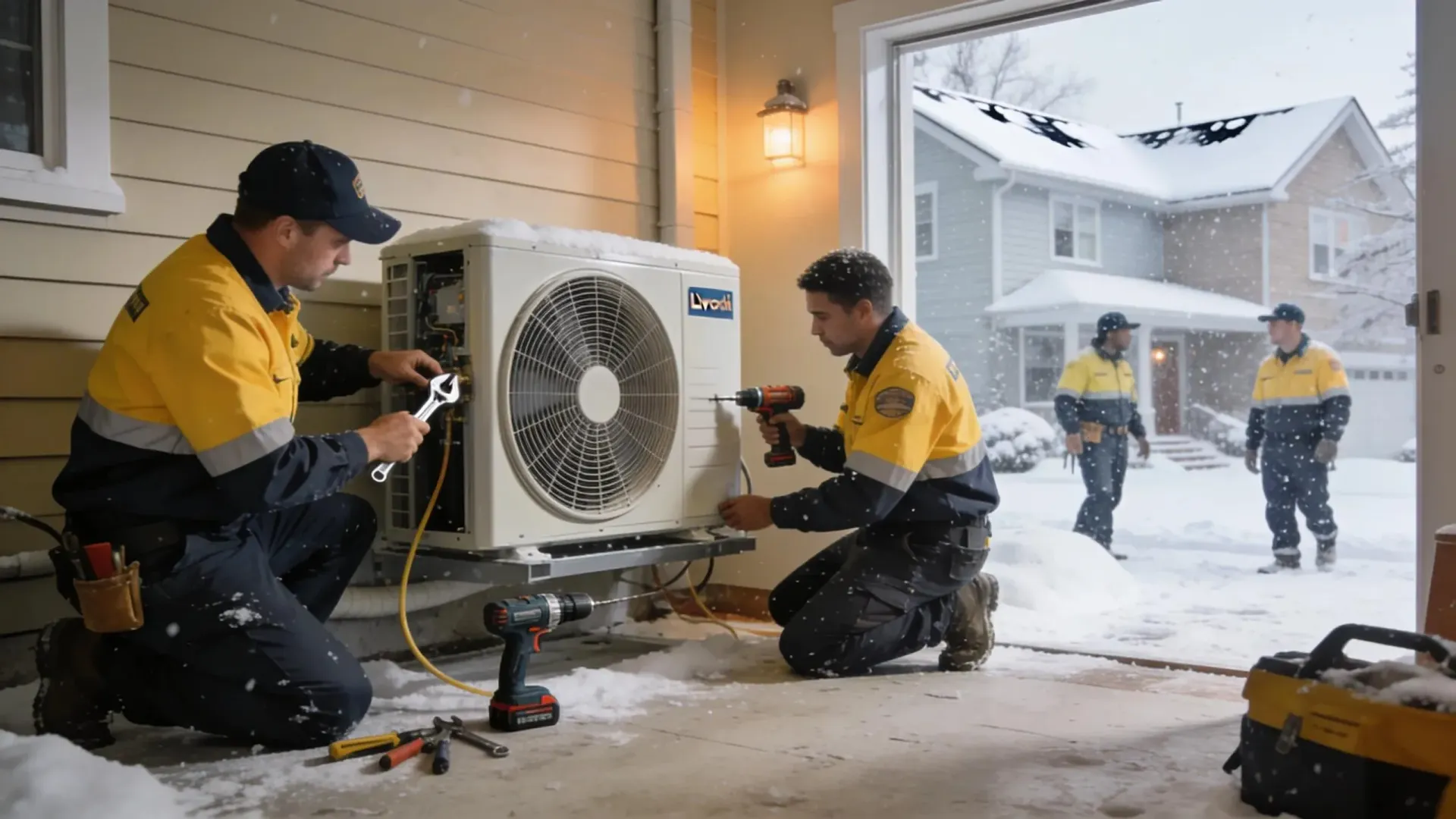
Hiring experienced HVAC professionals reduces installation errors. Technicians bring training, tools, and warranty-backed work that protect your investment and give you peace of mind. Quality installation up front saves money and headaches later. If you are looking for
reliable ac installation livonia mi options, choosing a local expert provider can make all the difference in performance and satisfaction.
Recommended Maintenance Practices Post-Installation to Avoid Future Problems
After installation, ongoing care keeps systems running smoothly. Recommended practices include:
- Regular Filter Changes: Replace filters every 1–3 months to maintain airflow and reduce strain on the system.
- Annual Professional Inspections: Schedule yearly tune-ups with a qualified technician to catch small issues before they become big problems.
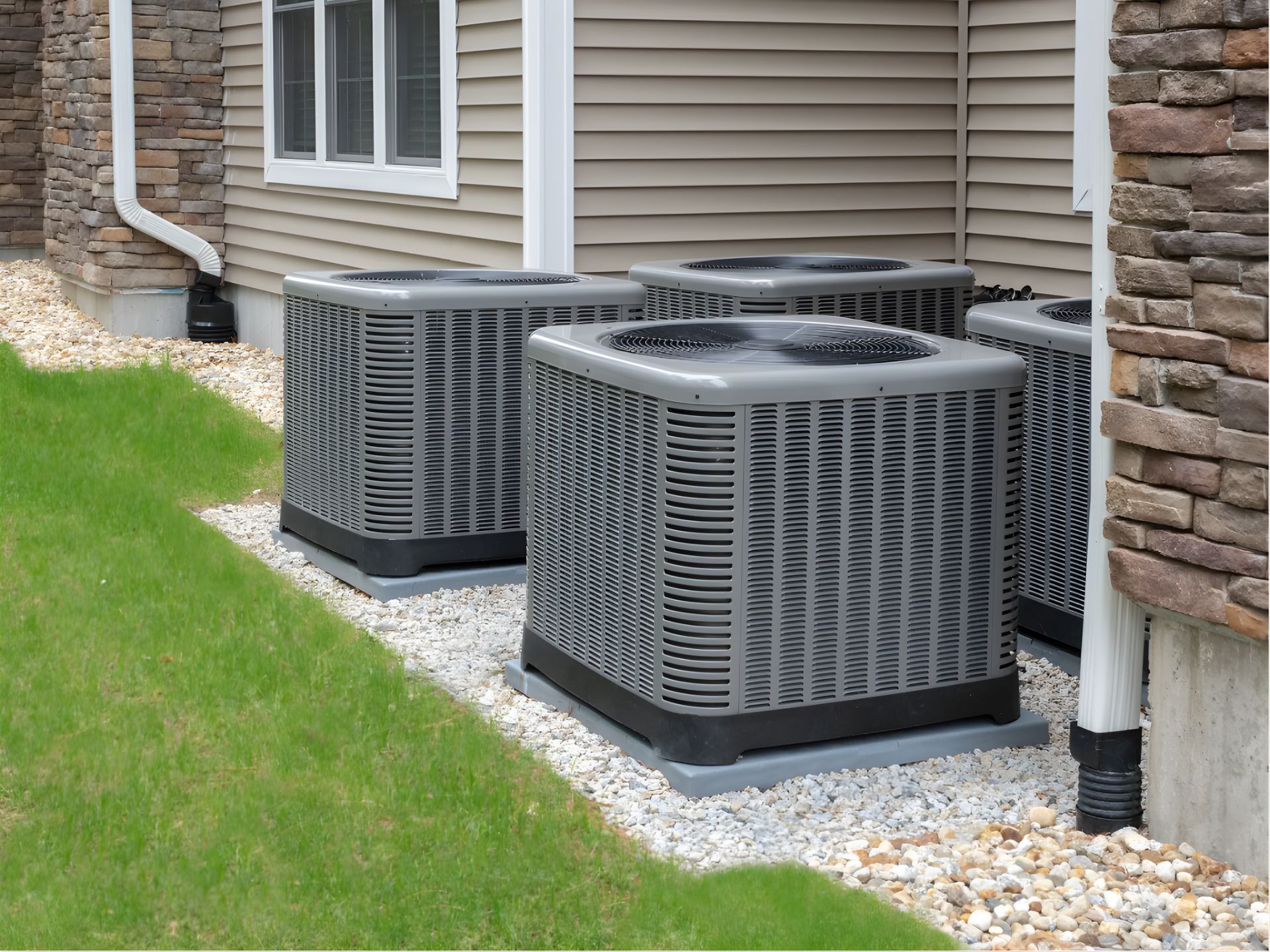
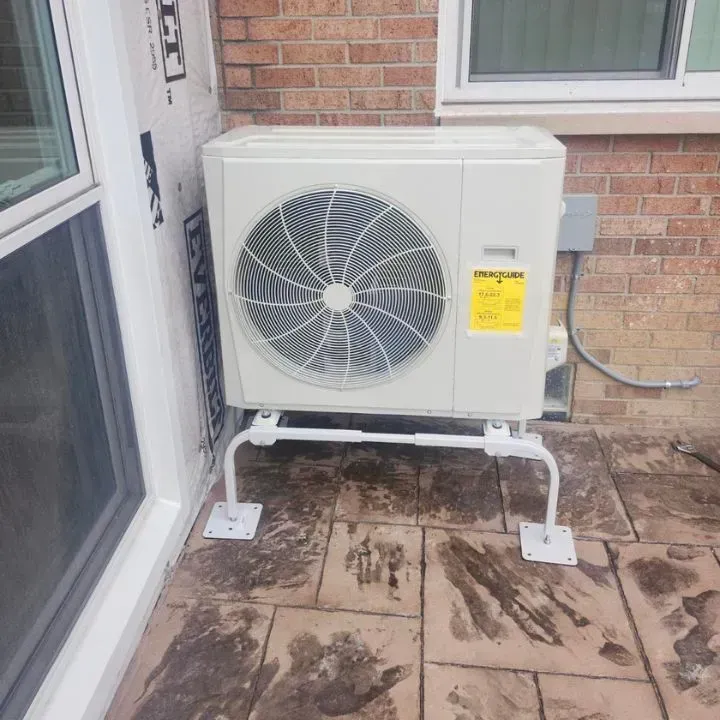
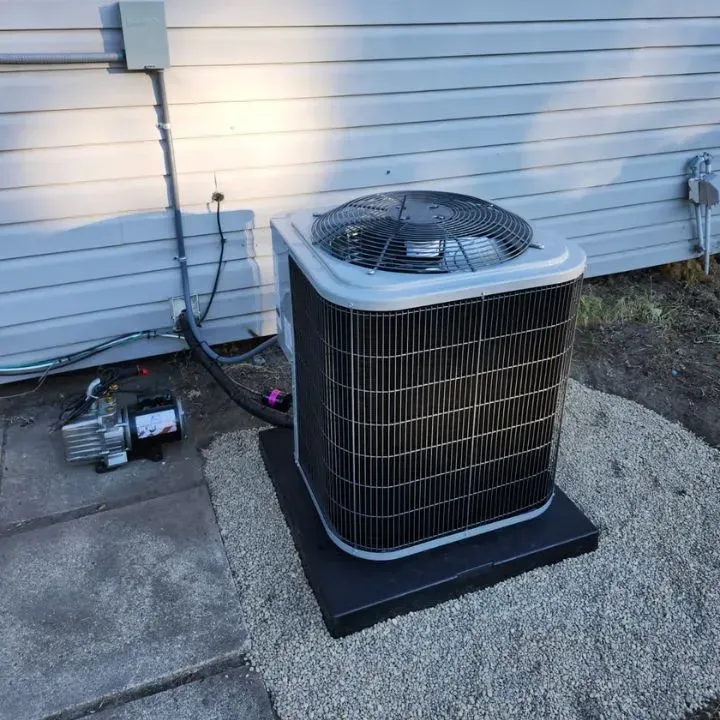
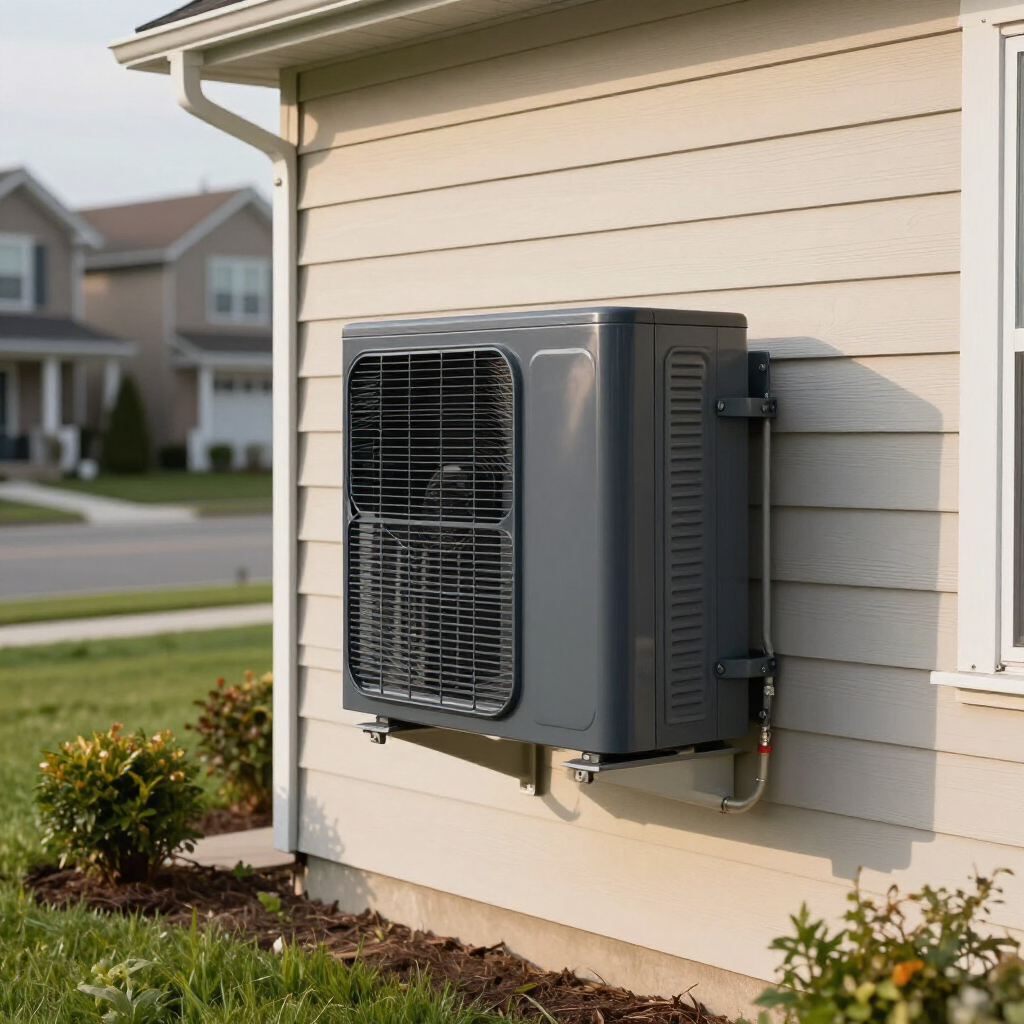
- Ductwork and Outdoor Unit Care: Check duct seals periodically and keep the outdoor unit clear of leaves, debris, and vegetation to preserve efficiency.
How Should Homeowners Troubleshoot AC Installation Problems Before Calling a Technician?
Homeowners can run a few basic checks before calling for service, but safety and system complexity determine when a professional is needed.
Key Signs Indicating Installation Errors
Watch for these warning signs:
- Insufficient cooling or heating
- Frequent on/off cycling
- Unusual or loud noises from the unit
- Unexpected spikes in energy bills
When to Schedule Professional Service Versus DIY Troubleshooting
Simple tasks like checking filters, confirming thermostat settings, or clearing debris around the outdoor unit are fine to handle yourself. But call a licensed technician for persistent performance problems, suspected refrigerant issues, or any electrical concerns. Professionals have the training and tools to diagnose and fix problems safely and correctly.